Overview of Economic Agenda and Corporate Reporting on December 13, 2025: Global Markets Take Pause Ahead of Key Decisions from the Federal Reserve (Fed) and the European Central Bank (ECB). Analysis of the Situation on Major Exchanges and Investor Expectations Ahead of Important Events Next Week.
Saturday, December 13, 2025, is not marked by the release of significant macroeconomic data or corporate financial reports. Markets have shifted into a wait-and-see mode after a week filled with events, during which investors received new signals regarding inflation and interest rate trajectories. On the global stage, a relative calm prevails: market participants are reflecting on the outcomes of the latest statistical publications and preparing for upcoming central bank meetings. The focus is on potential changes in monetary policy in the US, Europe, and Asia, which could set the direction for market movements as the year comes to a close.
Macroeconomics: A Pause Before Central Bank Decisions
The absence of fresh statistics on this weekend creates a macroeconomic pause during which global markets digest recent events. In the United States, recent data confirmed a slowdown in inflation, strengthening hopes for a more accommodative Fed policy. The European economy sends mixed signals: the final inflation estimate for the eurozone is close to the target of 2%, which may lead the ECB to adopt a wait-and-see stance. In Asia, attention is focused on signs of stabilization in China's economy and the upcoming decision from the Bank of Japan regarding its monetary course. This pause in macrodata allows investors to assess the overall picture: the slowdown in price growth and moderate economic expansion are shaping expectations for softer rhetoric from regulators.
US Markets: Inflation and Fed Expectations
American stock indices closed the week with little change, maintaining positions close to recent highs. Strong consumer price data for November—a decrease in annual inflation to 3%—bolstered confidence that price pressures are easing. This, in turn, fuels expectations that at the upcoming Fed meeting (scheduled for next week), the regulator will keep rates unchanged or even hint at possible easing in 2026. Yields on US Treasury bonds stabilized, while the dollar exhibited neutral dynamics as investors adopted a wait-and-see approach. With inflation risk diminishing, interest in interest-sensitive technology sector stocks is rising: the Nasdaq has held its previously gained levels, supported by positive earnings from major IT companies.
Europe: Anticipation Before the ECB Decision
European markets are also experiencing a relatively calm end to the week. The Euro Stoxx 50 index is consolidating as market participants await the outcome of the ECB meeting scheduled for December 18-19. The decline in inflation in several eurozone countries to around 2% year-on-year alleviates some pressure on the ECB—the regulator may pause interest rate hikes. At the same time, economic growth remains fragile, particularly in Germany and Italy's industrial sectors, which strengthens arguments for a cautious approach. Business sentiment in the region has stabilized: leading indicators, such as the German business climate index, show signs of improvement. Investors in Europe are assessing export prospects against the backdrop of a relatively strong euro and keeping an eye on budget discussions within the EU that could impact the banking and industrial sectors.
Asia: Signals from China and Japan
Asian markets exhibit a cautious optimism. In China, authorities are preparing for the annual Central Economic Work Conference, where the economic stimulus strategy for the next year will be defined. China's markets are anticipating additional support measures—such as lowering reserve requirements for banks or fiscal stimulus—to strengthen recovery after a period of slowdown. Simultaneously, investors note the stabilization of the yuan and revival in consumer demand ahead of the New Year. In Japan, the Nikkei 225 index is holding its ground, though attention is focused on the Bank of Japan's policy: next week, the regulator may adjust its yield curve control (YCC) policy in response to inflation exceeding 3%. Any signals from the Bank of Japan regarding a tapering of stimulus measures could lead to fluctuations in the currency market, as the yen is sensitive to monetary policy changes.
Russia: The Ruble and Expectations for the Bank of Russia's Decision
The Russian market enters the weekend in a stable state. The Moscow Exchange index ended the week with a slight increase, reflecting favorable conditions in commodity markets and relatively improved global investor sentiment. The ruble exhibits moderate volatility, staying within the range of recent weeks due to relatively high oil prices and export earnings sales. Inflation in Russia has slowed to single-digit levels but still exceeds the target of 4%, keeping attention focused on monetary policy. On December 19, the Board of Directors of the Bank of Russia will meet to discuss the key interest rate: the regulator faces the choice between the need for further inflation reduction and supporting the economy. The market anticipates the maintenance of the current high rate but does not rule out signals for a possible decrease in the first half of 2026 if inflation continues to decline.
Corporate Reports: Season Results and Expectations
Saturday traditionally brings no new financial reporting publications, prompting investors to focus on results presented earlier in the week and to assess the overall outcomes of the departing quarterly season. Overall, the corporate earnings season for the third quarter of 2025 is nearing completion globally, with most major companies having already disclosed their figures. In this context, the management forecasts for the coming year and early signs of macro conditions' impacts at the end of 2025 on business serve as key benchmarks.
- Oracle (USA): The IT giant exceeded profit and revenue forecasts for Q2 of fiscal year 2026, reporting growth in its cloud business and successful integration of artificial intelligence solutions. Oracle's shares reacted with an increase, supporting positive sentiment in the US tech sector.
- Adobe (USA): The software developer reported record quarterly revenue in Q4 of fiscal year 2025 due to high demand for new AI tools for design and marketing. Adobe's management provided an optimistic forecast for 2026, noting an expanding customer base, which bolstered investor confidence in the company's shares.
- Inditex (Europe): The largest global fashion retailer (owner of the Zara brand) demonstrated robust sales growth at the start of the winter season. For the first nine months of 2025, Inditex's revenue grew by approximately 8% on a comparable basis, while the start of Q4 (including Black Friday sales) exceeded analysts' expectations. This indicates sustained consumer demand in Europe even amid mixed economic conditions.
- Sberbank (Russia): The leading Russian bank demonstrated strong results for the autumn months. The continued growth of the loan portfolio and operating income, combined with the expansion of digital services, allowed Sberbank to maintain high profitability. Investors are awaiting updated dividend policies from the bank and forecasts for 2026 amid the stabilization of the economy and high interest rates in the domestic market.
What Investors Should Pay Attention To
Thus, December 13, 2025, passes relatively calmly; however, a number of important questions and benchmarks for further actions lie ahead for investors. Upcoming events may affect sentiments and quotes across all markets. This Saturday and the following weekends, market participants should focus on the following points:
- Central Bank Decisions: Next week, key drivers will be the outcomes of meetings from the Fed (US), ECB (eurozone), Bank of Japan, and Bank of Russia. Any changes in rates or regulators' rhetoric regarding inflation and the economy will directly affect bonds, currencies, and stock indices.
- Macroeconomic Data Early Next Week: Important indicators are expected to be published on Monday and Tuesday, particularly data on industrial production and retail sales in China for November, as well as retail sales statistics in the US. These reports will indicate how confidently the largest economies are entering the final quarter of the year and will set the tone for trading ahead of central bank decisions.
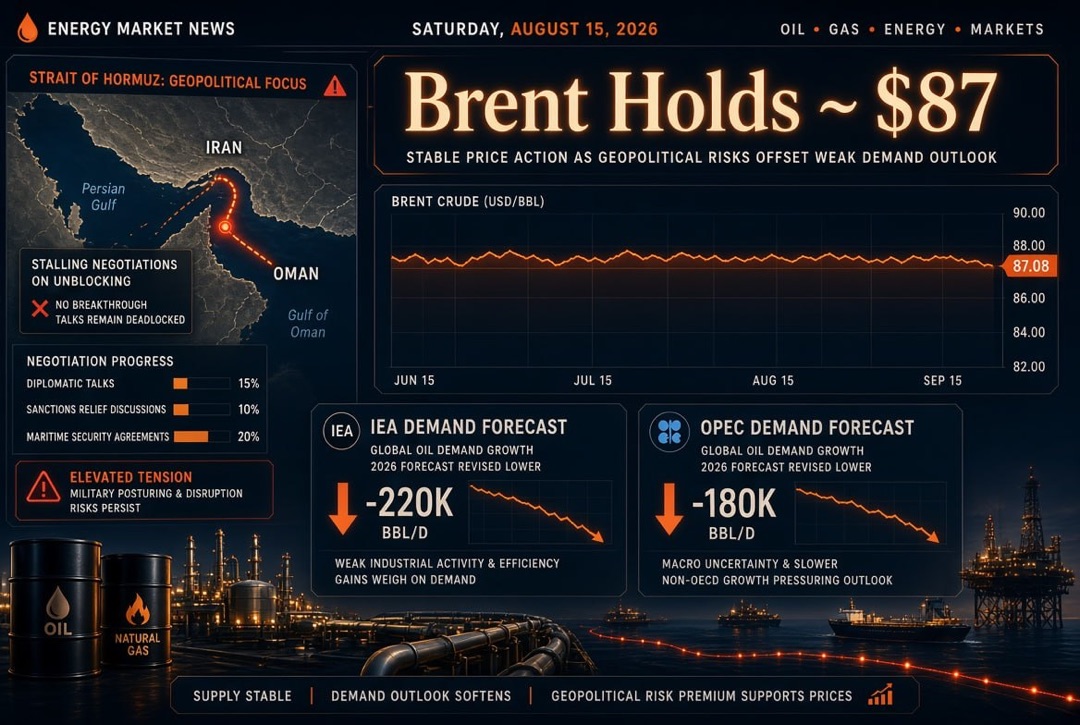
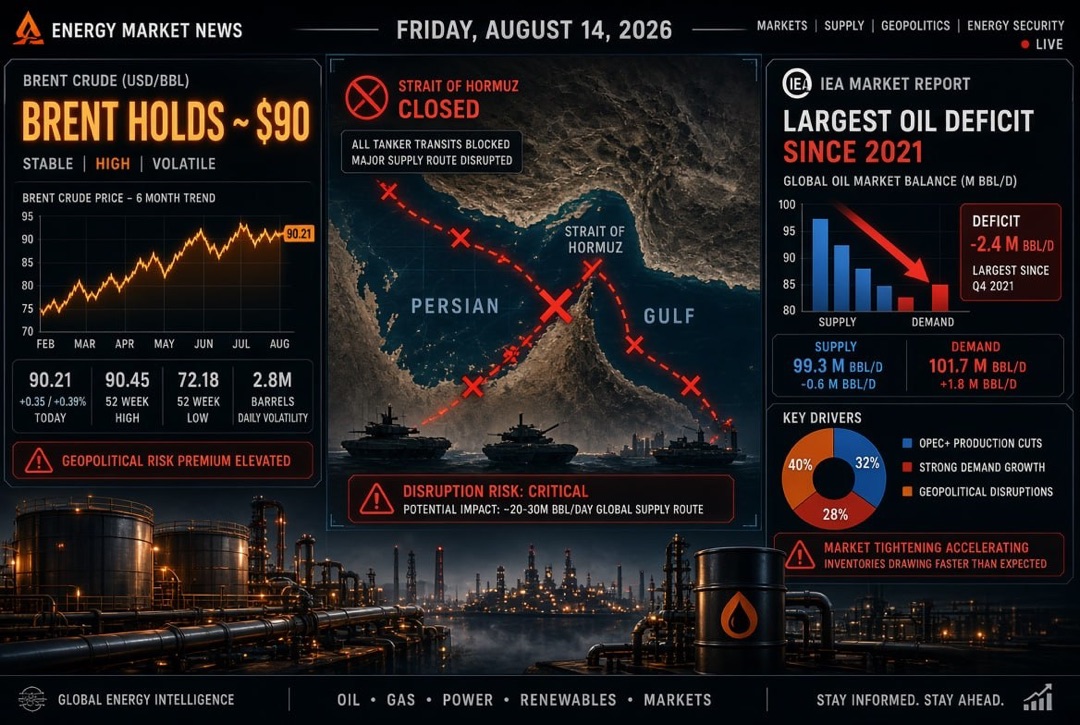
- Commodity Price Dynamics: Prices for oil and other commodities remain a critical factor for several markets. Following the recent OPEC+ meeting, oil prices have stabilized around comfortable levels. Investors should monitor any statements from oil producers over the weekend and price reactions—volatility in the commodity market will impact the currencies of commodity-exporting countries (Russian ruble, Canadian dollar, Norwegian krone) and shares of oil and gas companies.
- Geopolitical and Trade News: In the absence of scheduled events, sudden news—from trade negotiations to geopolitical statements—can significantly influence risk appetite. Over the weekend, it is essential for investors to stay attentive to headlines, especially concerning relations between major economies, sanctions policies, or major mergers and acquisitions.
The current lull provides an opportunity to reassess strategies and balance portfolios ahead of the heightened volatility that may arise from the decisions of the Fed and ECB. Experienced investors are using this period to analyze fundamental indicators and forecasts. Careful monitoring of the mentioned factors will aid in timely market response and effective preparation for the start of a new trading week.