What are you looking for:
Economy. Investments. IPO
Sergey Tereshkin's Blog
Blog
With the development of artificial intelligence technologies, the world is facing a new environmental issue – the energy consumption of neural networks. Neural networks require significant computational power, which means they consume vast amounts of electricity and water for cooling servers in data centers. This resource utilization negatively impacts the environment, increasing the carbon footprint of technologies. This article explores the consequences of artificial intelligence on the ecology and examines the investment risks it poses. It is crucial to understand the scale of the problem and ways to minimize harm, which can be part of the ESG strategies of many companies.
Media
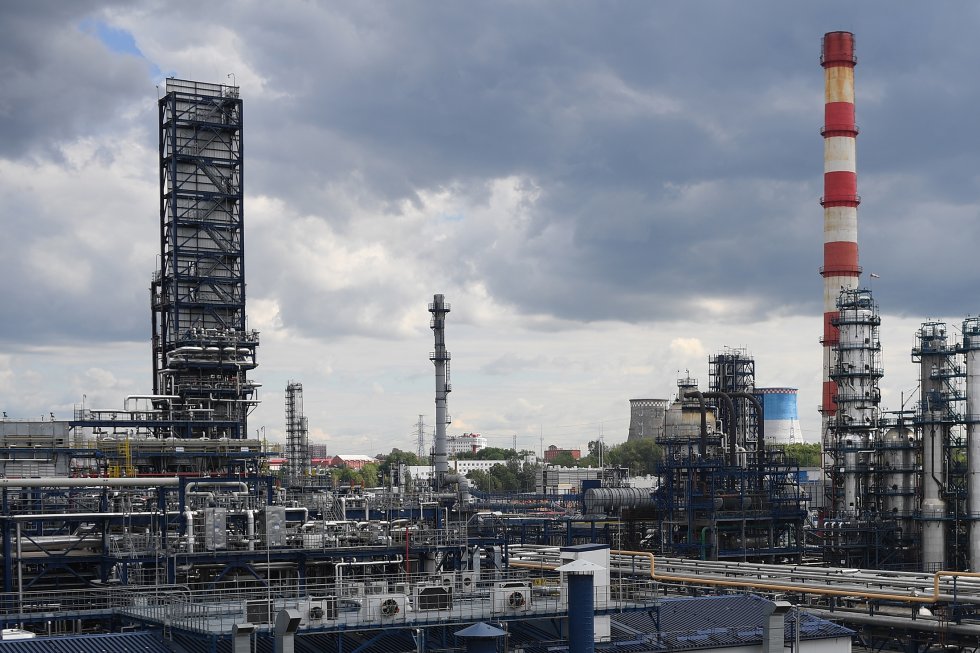
The question "When will gasoline be available at all gas stations and at what prices? Expert opinions from 'RG'" is more relevant than ever. Sharp fluctuations in fuel prices, shortages of gasoline at many stations, and analysts' forecasts all cause concern among drivers. We turned to leading experts to find out what factors influence the current situation and when we can expect market stabilization. Both the law of supply and demand and geopolitical events play key roles in shaping gasoline prices. The article covers various opinions from specialists and provides expert assessments to help our readers better understand the situation in the fuel market and prepare for possible changes.
News and publications
In recent days, the oil and gas markets are closely monitoring the global situation. Brent is holding steady at $95–97 per barrel, awaiting the outcomes of the OPEC+ meeting which will shed light on further production strategies. Despite this, gas prices in Europe continue to soar, surpassing $900 per thousand cubic meters. In Germany, for example, the rise in demand is driven by the onset of the cold season and significant depletion of reserves. Analysts predict that potential OPEC+ decisions could have a direct impact on global markets, as well as changes in export supply flows. Investors are keeping a close watch on the markets, while industry participants prepare for potential economic and strategic shifts.
Media

News and publications


Video
In this episode, Sergey Tereshkin and investor Andrey Rezinkin analyze AI startups: how to choose promising projects and make money from investments in AI. They discuss real examples such as OpenAI, ChatGPT, voice recognition, and DepTech, as well as trends like AGI and lifestyle AI applications.