Crypto News for Sunday, July 26, 2026: Bitcoin at $64,000, Ethereum Below $1,900, Inflows into Spot ETFs, Federal Reserve Meeting on July 28–29, Top 10 Popular Cryptocurrencies, and Scenarios for Investors
The cryptocurrency market enters the final week of July 2026 in a state of tense equilibrium. The total market capitalization of digital assets hovers around $2.28 trillion, with Bitcoin consolidating in the $64,000–$66,000 range as investors weigh three forces pulling the market in different directions: the Federal Reserve meeting on July 28–29, oil prices returning to three-digit levels amid escalating tensions in the Middle East, and the first positive inflows into spot ETFs in two months. Below is a comprehensive overview of cryptocurrency news, key quotes, and the top 10 most popular cryptocurrencies for investors worldwide.
- Bitcoin is trading around $64,100, having lost about 1–1.5% over the past 24 hours; BTC’s market capitalization sits at approximately $1.28 trillion, with a dominance of about 56.4%.
- Ethereum is near $1,867, with ETH's share of the total market capitalization at around 9.85%.
- Total cryptocurrency market capitalization is approximately $2.28 trillion, with a daily turnover of about $63 billion.
- Fear and Greed Index registers at 27 points, in the "fear" zone, although the indicator was in "extreme fear" a month ago.
- Spot Bitcoin ETFs in the U.S. have recorded inflows for the second consecutive week; however, net outflows since the beginning of 2026 remain negative at around $5 billion.
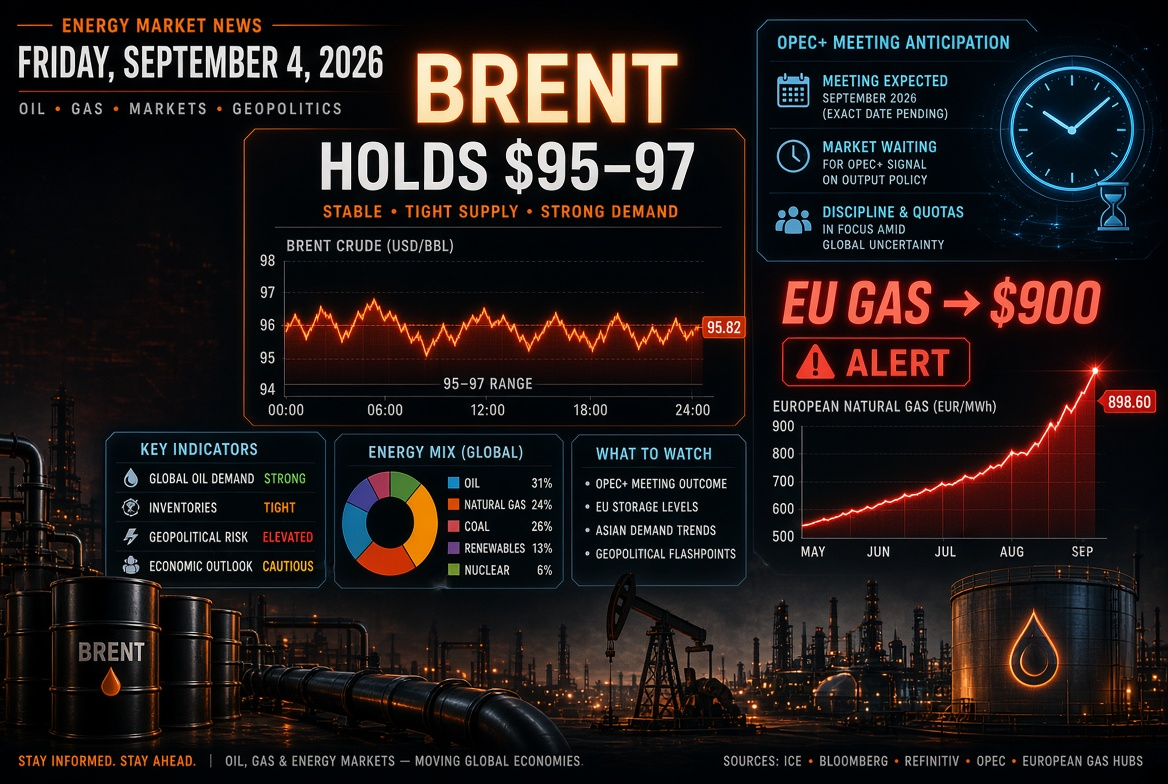
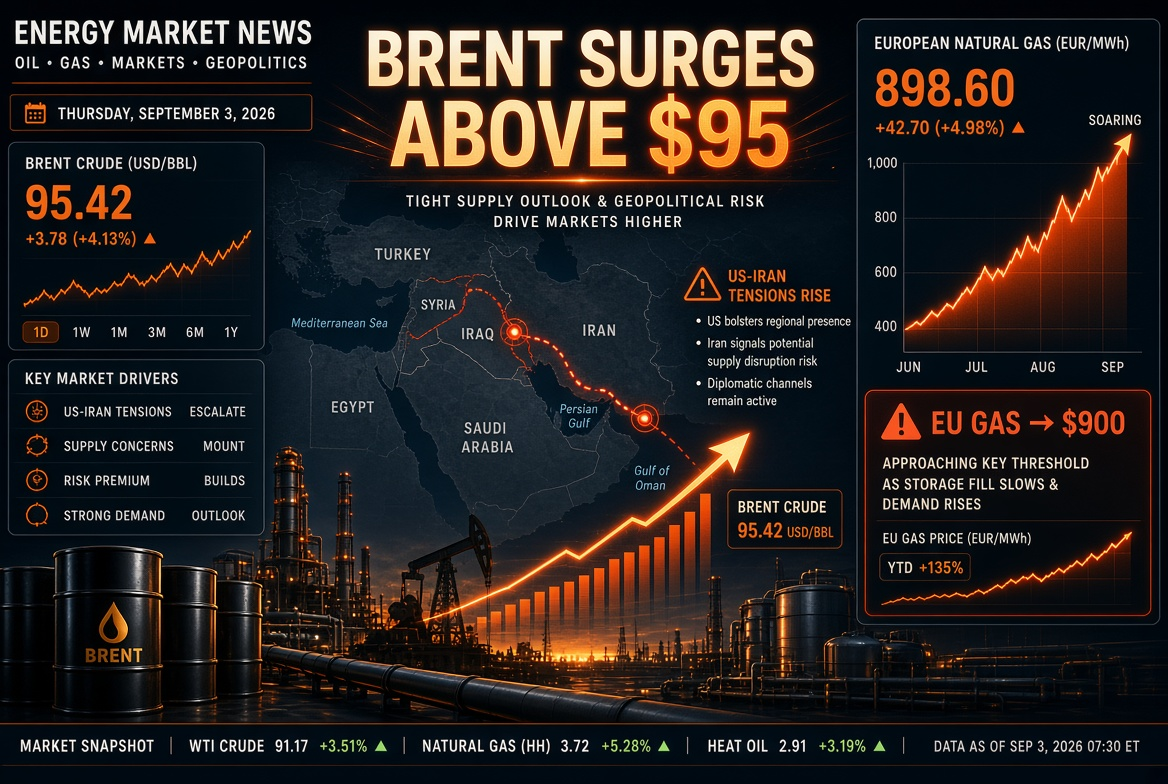
- Macro risk of the week — the FOMC meeting on July 28–29 and Brent oil closing the week at $97 per barrel after attempts to breach $100.
Quotes are as of the evening of Saturday, July 25, 2026. The cryptocurrency market operates around the clock, and prices change continuously — always check the current data on your trading platform before executing trades.
Bitcoin Price: Consolidation After the Toughest First Half Since 2022
Bitcoin ends July within a narrow corridor. Following June's plunge to an intraday low near $58,200 — the lowest value in 21 months — the leading cryptocurrency has recovered to the $64,000–$66,000 area and has since been trading sideways. For comparison, the historical maximum around $126,000 was set in October 2025, with the year starting above $93,000. As a result, the drop from the peak exceeds 48%, and from the beginning of 2026, it stands at around 30%.
The structural picture remains mixed. On one hand, analysts note a return of long-term holders to accumulation after an extended distribution phase, as well as a significant expansion of demand among wallets holding 100–1,000 BTC. Coinbase CEO Brian Armstrong pointed to the $60,000 area as a probable cycle bottom back in June, a similar stance was expressed by Bitwise. On the other hand, analytical services indicate that a rise to $65,000 does not cancel the bearish phase on its own: the market has not exhibited classic capitulation, and trading volumes during summer are traditionally thin, making any movements less representative.
Ethereum and Altcoins: ETH Trading Below Realized Price
Ethereum remains below the psychological level of $1,900. Meanwhile, on-chain metrics appear constructive for the first time in a long while: ETH is trading about 17% below the realized price — the average cost of all circulating coins, which is around $2,300. Historically, similar periods have indicated asset undervaluation and proximity to a cyclical bottom; however, of the five classic reversal indicators, only two have reached their historical values.
Over the past month, Ethereum has outperformed Bitcoin in terms of performance (approximately +19.7% versus +11.7%), suggesting a cautious rotation of capital towards altcoins. However, there is no broad "altcoin season" yet; growth is spotty and concentrated around specific narratives — privacy, tokenization of real assets, and derivative platforms.
Flows into Cryptocurrency ETFs: Recovery is Present but Fragile
The dynamics of spot ETFs remain the main structural driver of price: according to researchers, flows into ETFs account for about 45% of weekly Bitcoin movements. The situation for 2026 looks like this:
- June 2026 - net outflow of approximately $4.5 billion, the worst month since the launch of products in January 2024.
- Eight-week streak of outflows from May to July totaled over $8.2 billion.
- Beginning of July - reversal: $221.7 million inflow on July 2 and around $510 million over three sessions.
- Week ending July 17 - $75.7 million net inflow, the second positive week in a row.
- Year-to-date - a net outflow of about $5.2–5.4 billion; total assets under management decreased to approximately $74 billion from a peak above $150 billion in the fall of 2025.
A key detail for investors: the average entry price for Bitcoin ETF buyers is estimated at around $83,800. At current price levels, the average institutional holder is facing a loss of about 23–25%, which explains why inflows remain episodic rather than stable. Last Thursday, funds again showed an outflow of approximately $225 million, halting a weekly series of nearly $1 billion in inflows.
Macroeconomics: The Fed, Oil Prices, and Treasury Yields
The main event of the week for the cryptocurrency market is taking place outside itself. The Federal Open Market Committee meeting will occur on July 28–29, 2026, with the decision to be announced on Wednesday at 2:00 PM Eastern Time. The rate is being held in the range of 3.50–3.75%, and no updated economic forecasts or "dot plots" will be published at this meeting. The market consensus is to maintain the rate; however, a significant portion of participants is pricing in the possibility of a hike, as nine of the eighteen FOMC members had previously indicated at least one tightening by the end of the year.
The second factor is energy. Brent oil ended the week at $97 per barrel, gaining approximately 10–12% over five sessions amid ongoing strikes against Iran, Houthi attacks on tankers in the Red Sea, and disruptions in shipping through the Strait of Hormuz. Rising energy prices fuel inflation expectations, push U.S. Treasury yields higher, and increase the opportunity cost of holding Bitcoin, which does not generate interest income. This connection — "expensive oil → high rates → pressure on risky assets" — remains the primary constraint on the cryptocurrency market in July.
Top 10 Popular Cryptocurrencies as of July 26, 2026
Below is a ranking of the most liquid and sought-after digital assets by market capitalization. The order in the top ten is fluid, particularly between positions four through ten, where the gap in capitalization is minimal.
- Bitcoin (BTC) — around $64,100. The reserve asset of the digital market, with a capitalization of about $1.28 trillion, and a dominance of 56.4%. The main beneficiary of institutional demand and the primary victim of rising rates.
- Ethereum (ETH) — around $1,867. The foundational layer for smart contracts, DeFi, and tokenization; most of the world's stablecoin issuance is allocated on this network.
- Tether (USDT) — $1.00. The largest stablecoin with a circulation of about $184 billion and a market share of around 59%. The issuer is preparing a separate token that complies with U.S. regulations.
- BNB — around $568. The utility token of the largest exchange by turnover and its eponymous blockchain, with quarterly supply burns.
- USD Coin (USDC) — $1.00. A regulated stablecoin with an issuance of about $73 billion, leading in annual transaction volume and a preferred tool for institutional settlements.
- XRP — around $1.09. The cross-border payments asset; benefitting from the easing of previous regulatory pressures and the launch of ETFs in certain markets.
- Solana (SOL) — around $73.9. A high-performance blockchain; the tokenized real asset ecosystem has reached historical highs, preparing to transition to a new consensus protocol.
- TRON (TRX) — around $0.33. The stablecoin payment infrastructure: the network holds about one-third of global stablecoin circulation and dominates in real retail transfers.
- Hyperliquid (HYPE) — around $57.4. The token of a decentralized derivatives platform — one of the few assets that have maintained a premium to the market in 2026.
- Dogecoin (DOGE) — around $0.070. The largest meme coin with a market capitalization of approximately $12 billion; price movement continues to be driven by liquidity and sentiment rather than fundamental factors.
Attention should also be given to Zcash (ZEC), trading around $475. Over the year, the coin has appreciated approximately 1,190%, surpassing Monero and becoming the largest privacy asset. Drivers include the closure of regulatory investigations in January, the application for the first U.S. spot ETF for a privacy coin, reduced issuance post-halving, and an increase in the proportion of coins in "shielded" pools to about one-third of the supply. The risks are also evident: a technical failure in May necessitated an emergency hard fork, and European regulations will limit anonymous assets starting in 2027.
Cryptocurrency Regulation: EU Tightens, U.S. Delays, Asia Accelerates
The regulatory agenda for the week was busy and, importantly for investors, directionally diverse:
- The European Union included 14 crypto platforms registered in Georgia, Panama, the UAE, the Marshall Islands, Kyrgyzstan, and Belarus in a new sanctions package and created a mechanism to prohibit operations with third-country providers. The transitional period for MiCA is over: 244 companies have received authorization in the EU.
- The U.S. is again pushing back timelines on the market structure law (CLARITY Act): the Senate Majority Leader acknowledged that the document will likely not be passed before the summer recess. Meanwhile, the SEC commissioner warned that some crypto transactions may fall under securities legislation, and five federal regulators proposed banking KYC standards for stablecoin issuers.
- The United Kingdom approved the final version of the regime for trading platforms, custodians, and stablecoin issuers, with mandatory authorization starting in October 2027; the tax office has collected over £8 million from 502 investors in the past two years, and new OECD reporting rules will take effect in 2026.
- Russia will introduce regulations for trading, storage, and payments in digital assets starting September 1; the country's largest bank announced plans to launch crypto infrastructure by December, with requirements for licensed intermediaries to be enforced starting July 2027.
- Latin America: the Argentine government is considering a bill allowing investment funds to hold Bitcoin and use digital assets as collateral for loans.
Institutional Infrastructure: Stablecoins, Tokenization, and Exit of Market Veteran
The most significant corporate news of the weekend is the announcement of the closure of the BitMEX exchange on September 23, 2026. The platform, which was at the forefront of perpetual futures, is exiting a market where liquidity is increasingly concentrated among regulated and larger players. Concurrently, a contrasting trend is the influx of traditional corporations:
- One of the world's largest smartphone manufacturers is integrating support for stablecoins directly into its payment wallet.
- A division of a major U.S. asset management firm is launching its own stablecoin on Ethereum.
- A company known for its strategy of accumulating Bitcoin on its balance sheet is for the first time being valued by the market at below the value of its Bitcoin reserves — a troubling signal for the model of "corporate treasury in BTC."
Market Sentiments and On-Chain Metrics
The Fear and Greed Index at 27 points indicates that the market remains in the fear zone but has exited "extreme fear," characteristic of June. Bitcoin's dominance of 56.4% reflects a defensive position among investors: capital is concentrating in the most liquid asset. The total capitalization of stablecoins has decreased by about $10 billion from the May peak — a classic indicator of declining "dry powder" in the market, which warrants close monitoring alongside price charts. In contrast, the DeFi segment demonstrated a weekly growth of around 9.8%, with Polkadot and the XRP Ledger being the leaders in dynamics among large ecosystems.
Week's Calendar July 27 – August 2, 2026
- Monday, July 27 - publication of quarterly metrics for privacy computing protocols; unlocking approximately 0.9% of the Toncoin supply amounting to about $70 million (July 26).
- Tuesday-Wednesday, July 28–29 - FOMC meeting and press conference of the Fed Chair. A key event for all risk assets.
- Throughout the week - quarterly reporting from the tech sector and crypto companies, PCE inflation data, and daily statistics on inflows into spot ETFs.
- Constant background - news regarding the Strait of Hormuz and the Red Sea, defining the trajectory of oil and, indirectly, the appetite for risk.
What This Means for Investors: Three Scenarios
Base Scenario (Most Likely). The Fed maintains the rate, rhetoric remains tight, and Bitcoin continues to trade in the $60,000–$70,000 range. Strategy — dollar-cost averaging, increased allocation of stablecoins and liquidity, and avoiding excessive leverage.
Positive Scenario. Easing of geopolitical tensions, a drop in oil prices to $80, and signals of readiness to soften policy in 2027 return stable inflows to ETFs. In this case, the target zone would be in the range of $75,000–$83,800 — the average entry price level for institutional buyers, where activation of "break-even" sales is likely.
Negative Scenario. An increase in rates or a new escalation in the Persian Gulf with oil rising above $110 could push Bitcoin back to June's lows around $58,000, followed by testing lower support levels.
Frequently Asked Questions About the Crypto Market in July 2026
What is the price of Bitcoin today? As of the end of July 25, 2026, the price of Bitcoin is approximately $64,100. Due to 24/7 trading, the quote changes continuously.
Why are cryptocurrencies falling in 2026? The main reasons include maintaining a high key rate in the U.S., rising government bond yields, increased oil prices due to the Middle East conflict, and capital outflows from spot ETF funds that began in the spring and peaked in June.
Has the bear market ended? There is no definitive answer. On-chain metrics (the accumulation of long-term holders, ETH trading below the realized price) point toward nearing a bottom; however, the lack of capitulative volumes and negative annual flows in ETFs prevent us from confirming a reversal.
What cryptocurrencies are most popular among investors? The top ten by market capitalization includes Bitcoin, Ethereum, Tether, BNB, USD Coin, XRP, Solana, TRON, Hyperliquid, and Dogecoin. A notable storyline in 2026 has been the rise of privacy assets led by Zcash.
Wrap-Up
Sunday, July 26, 2026, sees the cryptocurrency market in a wait-and-see mode. Bitcoin at $64,000, Ethereum below $1,900, with a market capitalization around $2.28 trillion — figures that do not provide direction by themselves. The direction for the coming weeks will be set by Wednesday, July 29: the Fed’s decision and rhetoric will determine the cost of money, and thus the appetite of institutional investors for assets without interest income. Until then, a rational tactic remains discipline: controlling position size, avoiding excessive leverage, and paying attention to flows into ETFs as the most honest indicator of actual institutional demand.
This material is for informational purposes only and does not constitute individual investment advice. Operations with digital assets carry a high risk of total capital loss.