Current Cryptocurrency News as of April 14, 2026: The Digital Asset Market Maintains Resilience After a Volatile Start to the Year, Institutional Capital Returns to the Sector, While Investors Assess Concurrent Macroeconomic Risks, Regulatory Signals, and an Updated Structure Among the Top 10 Largest Cryptocurrencies.
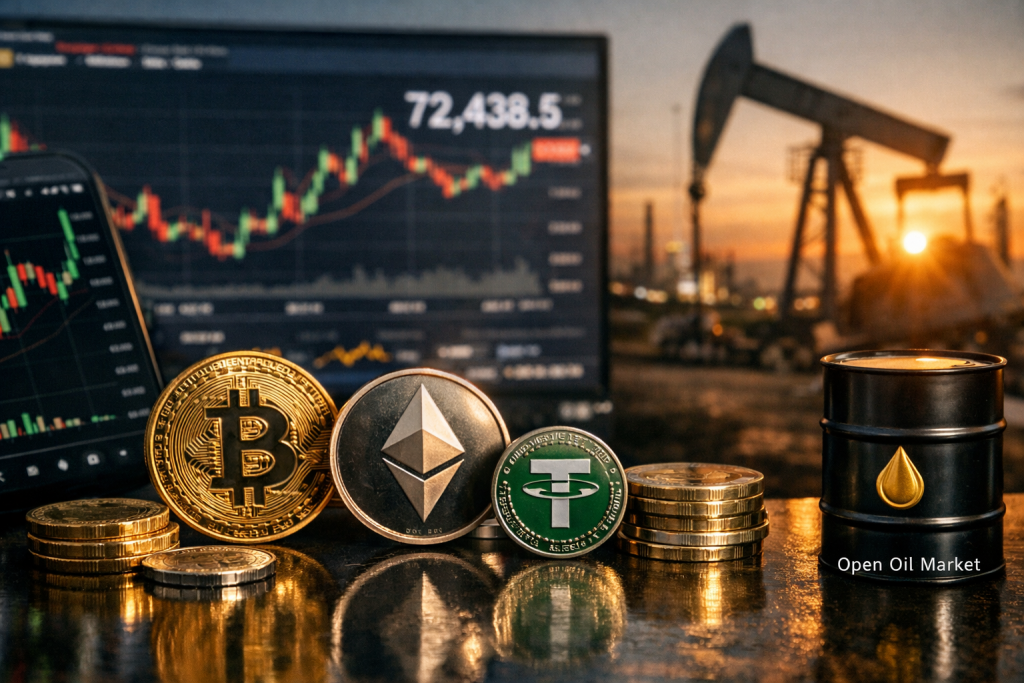
The cryptocurrency market approaches April 14 in a more composed state compared to just a few weeks ago. Bitcoin holds above the psychologically significant level of $70,000, Ethereum stabilizes near $2,200, while major altcoins display moderate but uneven dynamics. Meanwhile, investor sentiment remains mixed: on one hand, capital is again flowing into digital assets through investment products, while on the other, the market must consider rising oil prices, increasing geopolitical tensions, and high sensitivity to any changes in global risk appetite.
For a global audience of investors, the current landscape is important for several reasons. Firstly, cryptocurrencies are increasingly being traded as part of a broader system of risky assets rather than as a completely isolated market. Secondly, institutional demand is no longer restricted to Bitcoin alone: sustained interest remains in Ethereum, stablecoins, and infrastructure projects. Thirdly, in 2026, the main driving factor for the industry is not merely another speculative spike but the speed at which new rules are being formed in the U.S., Asia, and Europe.
Bitcoin Maintains Its Status as the Main Market Indicator
Bitcoin continues to be the key barometer of the cryptocurrency sector. After sharp sell-offs in the first quarter, the market managed to stabilize, and now the range above $70,000 becomes a main reference point for investors. For major players, this is not merely an attractive round figure but an important level of market confidence after a period when digital assets significantly declined alongside other risky asset classes.
From a fundamental perspective, Bitcoin is supported by several factors:
- a resurgence of institutional demand through exchange-traded and fund products;
- expectations for clearer regulation of digital assets in the U.S.;
- sustained interest in Bitcoin as a liquid and the most recognizable crypto asset;
- the tendency of large portfolio investors to use BTC as their primary entry instrument into the crypto market.
Nevertheless, it is premature to speak of a full recovery of bullish momentum. The market still recalls February's volatility, and many participants prefer to increase their positions carefully, without aggressive leverage. Therefore, the current strength of Bitcoin appears not as euphoria but rather as a phase of restrained revaluation of the asset.
Ethereum and Major Altcoins Shift to Selective Growth
Ethereum remains the second focal point for capital. Unlike past cycles, its investment narrative now relies not solely on its role as the largest smart contract platform but also on themes of tokenization, stablecoins, settlement infrastructure, and institutional blockchain usage. This renders ETH less dependent on purely speculative demand, although its sensitivity to network activity remains higher than that of Bitcoin.
The altcoin market presents a more complex picture. Capital is not flowing evenly into the entire segment, as often happened during classic crypto rallies. Currently, capital is being distributed more selectively:
- some funds are directed towards the largest infrastructure coins—primarily Ethereum, BNB, and Solana;
- a portion of capital remains in stablecoins as a form of waiting and “dry powder” for new deals;
- some demand is moving towards projects related to exchange infrastructure, derivatives, and high-turnover ecosystems.
This is why stability is maintained among BNB, XRP, Solana, and TRON at the upper end of the market, while weaker projects do not automatically benefit solely from Bitcoin's growth. Such behavior is characteristic of a more mature market where investors are looking not only at brand history but also at actual liquidity, use-case scenarios, and the political-regulatory backdrop.
Institutional Money Becomes a Driver Again
One of the most significant signals for the crypto market has been a new wave of capital inflow into digital investment products. This indicates that professional participants are once again willing to increase their exposure, despite persisting external uncertainty. Especially significant is that demand is not only directed towards Bitcoin but also towards Ethereum, expanding the investment profile of the entire sector.
For investors, this implies the following:
- the market is once again receiving support not only from retail demand but also from systemic funds;
- Bitcoin remains the primary tool for institutional entry;
- Ethereum is gradually regaining its position as an asset sensitive to the themes of tokenization and stablecoins;
- demand for hedging remains, indicating that the market has yet to transition into a phase of unconditional confidence.
The last point is particularly crucial. The fact that investors are simultaneously purchasing crypto products and hedging against declines demonstrates mature capital behavior. This is not a “blind risk-on” environment but a cautious restoration of interest in the asset class.
Regulation Becomes a Key Factor in Cryptocurrency Valuation
While in previous years the market largely focused on news about exchanges, halving events, and ETF launches, in 2026 the topic of regulation is increasingly dominant. For institutional capital, the issue of regulation is no longer secondary—it directly impacts capital allocation, liquidity, product availability, and risk assessment.
Several focal points are currently in the spotlight:
- progress on legislation regarding the market structure of digital assets in the U.S.;
- clarification from the SEC on token categories and the boundaries of securities legislation;
- the acceleration of regulated stablecoin development in Hong Kong and Switzerland;
- increased participation of traditional banks in blockchain infrastructure.
For the crypto market, this signifies an important structural shift. The industry is gradually transitioning from being a peripheral part of the financial system and increasingly embedding itself through payment solutions, digital settlements, reserve storage, tokenized assets, and corporate infrastructure projects. For this reason, regulatory news today can drive the market as significantly as macroeconomic statistics or ETF flows.
Stablecoins Move to the Center of the Global Digital Financial System
The stablecoin segment merits special attention. Recently, they were primarily viewed as technical instruments for crypto trading. However, stablecoins are now emerging as one of the most important bridges between traditional finance and digital assets.
Signals of this turnaround are evident across several regions worldwide. Banks and regulators are testing models for national and banking stablecoins, discussing reserve standards, and launching initial licensed solutions. This is important for the market for three reasons:
- trust in digital settlement infrastructure is growing;
- the role of blockchains as payment and corporate environments is being reinforced;
- the practical significance of the networks where the main stablecoins operate is increasing.
For Ethereum, this is a strategically positive factor, as the Ethereum network and its associated ecosystems remain the foundational environment for a significant portion of stablecoin circulation and tokenized financial solutions. For Bitcoin, the effect is more indirect: the deeper digital assets penetrate regulated financial frameworks, the greater the overall legitimacy of the sector.
The Macroeconomic Environment Remains the Primary Limiting Factor for a New Rally
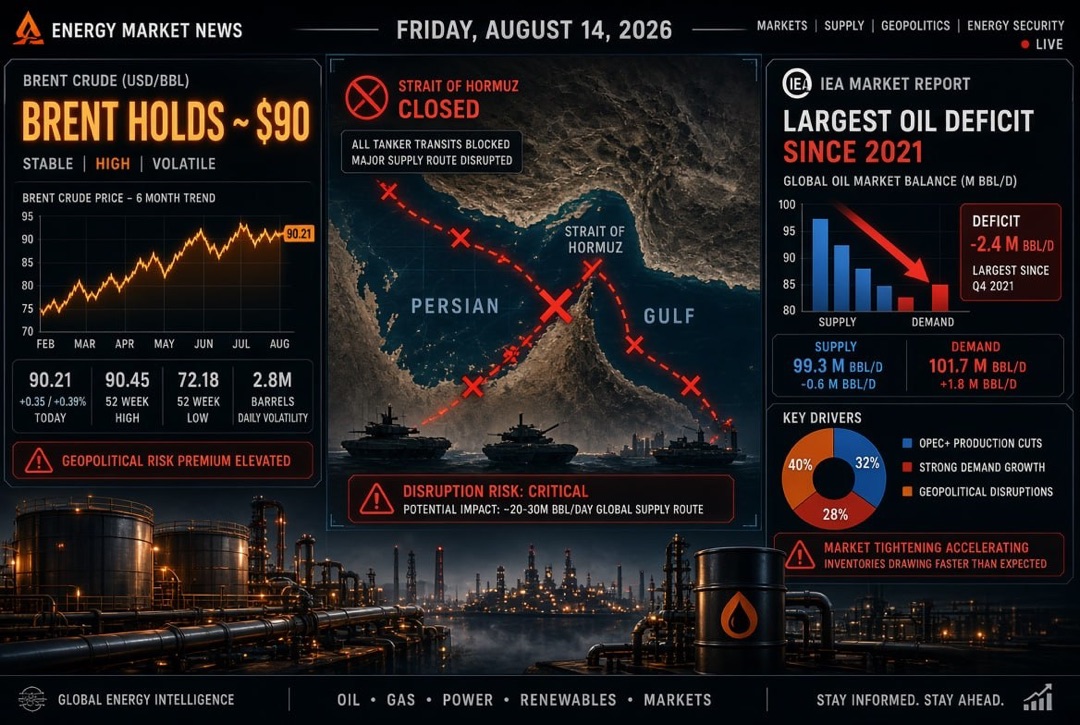
Despite the return of institutional demand, the cryptocurrency market cannot ignore the external backdrop. The main theme at the beginning of the week is the rise in the geopolitical risk premium in global markets following a new spike in tensions in the Middle East and soaring oil prices. This heightens inflationary risks, increases nervousness in currency and equity markets, and renders investor behavior more cautious.
For cryptocurrencies, this is significant because Bitcoin and Ethereum are increasingly behaving as assets with high sensitivity to global liquidity. When oil prices rise sharply, the dollar strengthens, and market participants begin to fear new inflationary pressures, it becomes more challenging for cryptocurrencies to rapidly develop into a full-fledged rally.
Therefore, in the upcoming sessions, investors should monitor three key areas:
- whether Bitcoin remains above the key zone of $70,000;
- whether institutional inflows continue;
- whether geopolitical tensions escalate into a wider impact on risky assets.
Top 10 Most Popular Cryptocurrencies as of April 14, 2026
Based on current market capitalization, the top ten largest and most discussed cryptocurrencies include:
- Bitcoin (BTC) – the leading digital asset of the market and the primary focal point for institutional investors.
- Ethereum (ETH) – the leading infrastructure platform for smart contracts, stablecoins, and tokenization.
- Tether (USDT) – the largest dollar stablecoin and a key source of liquidity in the crypto ecosystem.
- BNB – one of the largest exchange and ecosystem tokens, maintaining strong positions in global circulation.
- XRP – an asset with consistent international interest due to its payment theme and high liquidity.
- USDC – one of the most vital regulated dollar stablecoins.
- Solana (SOL) – a major high-speed blockchain platform with a strong presence in trading and user ecosystems.
- TRON (TRX) – a notable infrastructure asset, particularly significant in cross-border transfers and stablecoin circulation.
- Dogecoin (DOGE) – still one of the most recognizable speculative digital assets in the world.
- Hyperliquid (HYPE) – a new entrant among the top ten, reflecting the growing market interest in trading infrastructure and on-chain derivatives.
The mere fact that two of the largest stablecoins are present in the top ten, along with the emergence of new infrastructure projects, indicates that the cryptocurrency market is becoming more functional and multilayered. It now comprises not only “growth coins” but also payment, trading, and settlement circuits.
What This Means for Investors on April 14
As of April 14, the base scenario for the crypto market appears cautiously positive. The sector is supported by the return of institutional inflows, stabilization of Bitcoin above an important zone, and a gradual move towards clearer regulation. However, aggressive optimism is still lacking; the external macroeconomic environment remains too jittery, and geopolitical considerations could quickly push the market into a defensive mode.
For investors, this suggests that upcoming decisions should be made not in the context of chasing momentum but in terms of selecting the most liquid and fundamentally supported assets. On a short-term horizon, the market will react to macro news and capital movement into investment products. In the medium term, it will respond to developments in regulation, the growing role of stablecoins, and expanded institutional participation. These factors currently define what the next stage of the global cryptocurrency market will look like.