Detailed Overview of Economic Events and Corporate Reports on April 14, 2026
Tuesday, April 14, sets a complex and varied agenda for global markets. Investors will focus on China's international trade data for March, the monthly IEA oil market report, US Producer Price Index (PPI) figures, additional insights into the US private labor market from ADP, and a speech from the Governor of the Bank of England. For equity markets, the significance of the day is heightened by the fact that the first full wave of reports from major US financial and consumer companies begins on Tuesday.
For investors in the CIS, this day is particularly significant for three reasons. First, the nexus of China, oil, and the US directly impacts commodity assets, currencies, and global demand assessments. Second, the reporting from American banks sets the tone for the entire corporate earnings season and influences the S&P 500. Lastly, the geopolitical backdrop remains tense: the commencement of talks between Israel and Lebanon adds political risk for markets and heightens sensitivity in oil, bonds, and defensive assets.
Key Events Calendar for the Day (Moscow Time)
- 06:00 — China: International Trade for March.
- Throughout the day — India: Stock market closed due to Ambedkar Jayanti.
- 11:00 — Monthly IEA Oil Market Report.
- 15:15 — US: ADP Employment Change Weekly, additional indicator of the private labor market.
- 15:30 — US: Producer Price Index (PPI) for March.
- Approximately 19:00 — Speech from the Governor of the Bank of England.
- 23:30 — US: Weekly API Oil Inventories.
Asia in the Morning: China and Reduced Liquidity in India
The initial response of global markets on Tuesday will likely come from Asia. Statistics on China's foreign trade will serve as a benchmark for assessing global industrial demand, export resilience, and the pace of recovery in import demand. This information is significant for investors not only in the context of the Chinese economy but also as an indicator of the state of supply chains, raw material demand, and the prospects for the manufacturing sector worldwide.
- Strong exports from China could support commodity currencies, industrial metals, and cyclical stocks.
- Weak imports would be a negative signal for oil, metals, and companies linked to global demand.
- The closure of the Indian market will reduce regional liquidity and partially redirect attention to China, Japan, and the Asian currency market.
For the Nikkei 225, this block is particularly important, as Japanese exporters, retail, and industry are traditionally sensitive to Chinese demand and the dynamics of global trade.
Oil and Commodities: Main Focus on the IEA Report
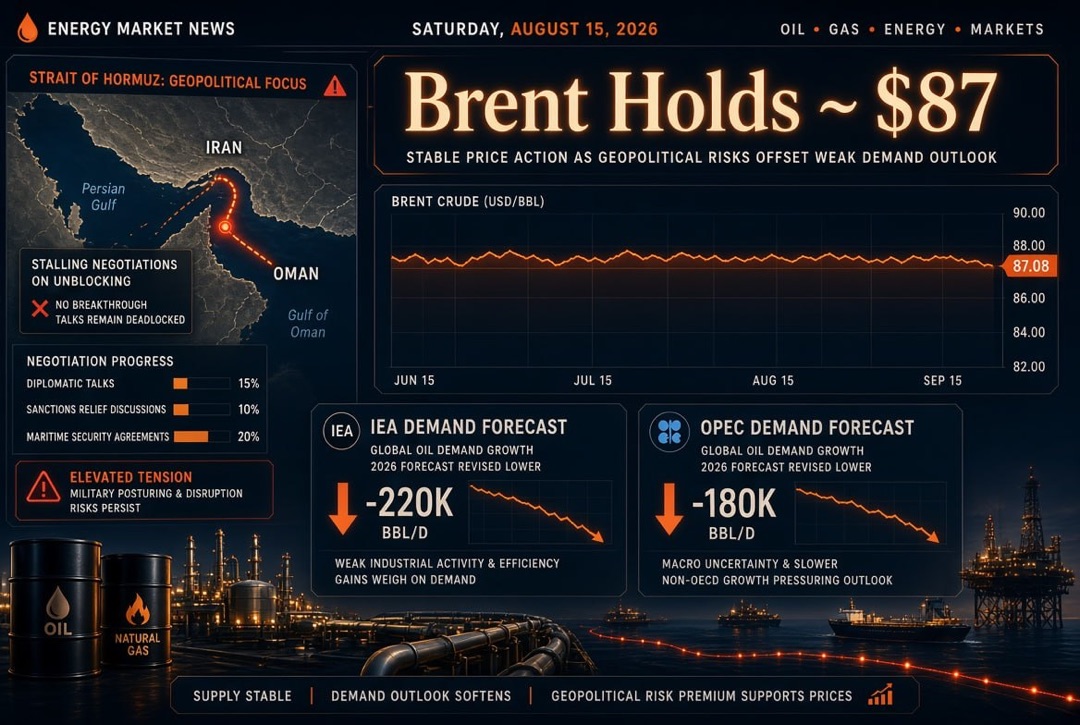
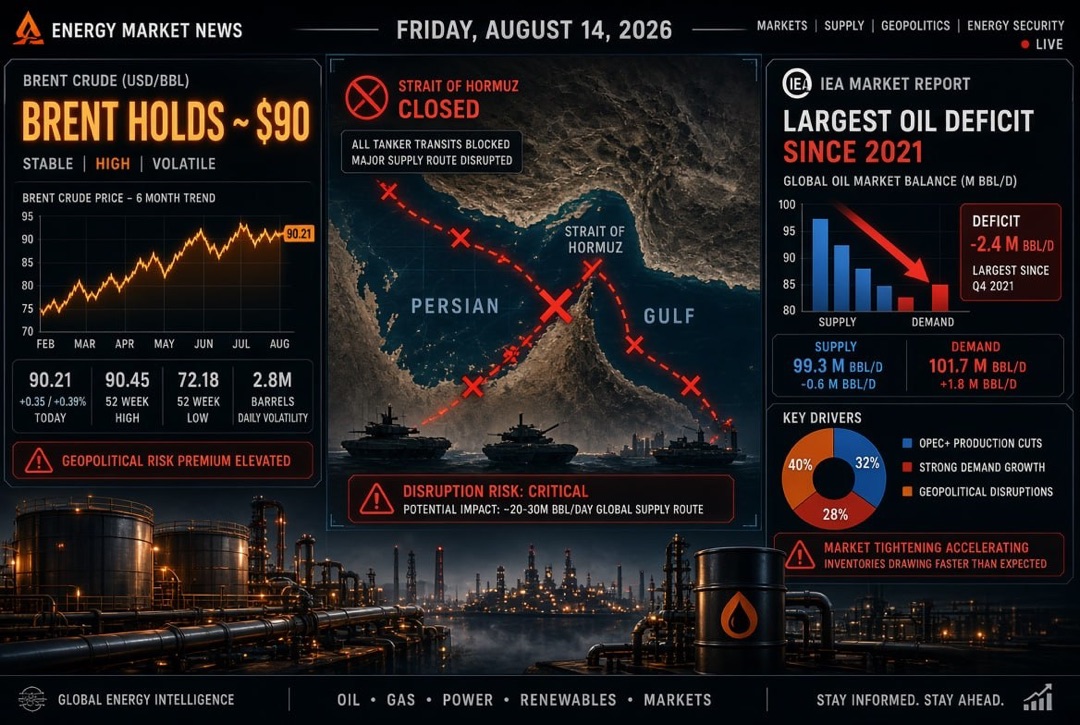
At 11:00 Moscow time, the April report from the International Energy Agency will be released. Against the backdrop of heightened geopolitical premiums in oil and nervousness surrounding supply, investors will be closely monitoring any revisions to demand, supply, inventory forecasts, and market balance. The IEA may be the main driver for oil prices, energy stocks, and inflation expectations on Tuesday.
For the oil market, the following parameters are important:
- Assessment of global oil demand for the second quarter and for the entire year of 2026;
- Comments on supply disruptions and logistics resilience;
- Inventory dynamics in OECD countries;
- Expectations for production outside OPEC+ and in the US market.
Later in the evening, an additional impulse will come from the API report on US oil inventories. Although the API is considered a preliminary indicator before the official EIA statistics, in a nervous market, even this release can significantly move oil prices, oil and gas company stocks, and inflation expectations.
US: Producer Inflation and Additional Signal from the Labor Market
The key macroeconomic event of the American session will be the publication of the PPI for March. This indicator is one of the most important inflation metrics of the week after the CPI, as it reflects price pressures at the producer level and helps investors gauge the future trajectory of the Federal Reserve's monetary policy.
At 15:15 Moscow time, the ADP Employment Change Weekly will be released — a more timely but less significant indicator of the private employment sector. While it is unlikely to act as an independent driver, a significant deviation from expectations could amplify market reactions to the PPI.
What to Watch in the US Data
- Core PPI as an indicator of price pressure resilience;
- Commodity inflation against the backdrop of expensive energy and raw materials;
- Reaction of Treasury yields and the dollar;
- Sensitivity of tech and consumer stocks to reevaluations of Fed rate expectations.
If the PPI comes in higher than expected, it could intensify pressure on growth stocks, support the dollar, and revive discussions of tighter monetary policy. Conversely, a softer release could bolster risk appetite and improve sentiment for the S&P 500.
UK and Europe: Signals from the Bank of England
The European part of the day will conclude with a speech from the Governor of the Bank of England. This is a key reference for currency and bond markets, especially if comments regarding inflation resilience, the prospects for the UK economy, and the balance of growth and price pressure risks are made.
For Euro Stoxx 50 and European investors, the speech holds significance in several aspects:
- Through its influence on yields and the pound's exchange rate;
- Through the assessment of the future trajectory of European rates;
- Through the overall state of risk appetite in the region.
If the rhetoric is hawkish, it could increase pressure on rate-sensitive segments. If the focus shifts to deceleration risks, the market may turn to defensive plays and large dividend stocks.
Corporate Reports in the US: Day of Major Banks and Defensive Sectors
Among the major confirmed corporate reports for Tuesday, particular attention will be drawn to JPMorgan Chase, Wells Fargo, Citigroup, BlackRock, Johnson & Johnson, CarMax, and Albertsons. This blend of the financial, medical, retail, and consumer sectors makes the day significant not only for the S&P 500 but for understanding the state of credit markets, consumer demand, and commission-based businesses.
Key Reports Before the US Market Opens
- JPMorgan Chase — the market will look for net interest income, investment banking fees, credit portfolio quality, and comments on corporate activity.
- Wells Fargo — focus will be on margin, deposit base, lending, and sensitivity to rates.
- Citigroup — results for trading businesses, global operations, and restructuring pace are critical.
- BlackRock — primary focus on net inflows, asset management dynamics, and institutional client sentiments.
- Johnson & Johnson — investors will evaluate the pharmaceutical division, MedTech, and resilience of defensive demand.
- CarMax — the report will serve as an indicator of demand for used cars, margins, and consumer lending.
- Albertsons — the market expects signals regarding consumer spending, pharmaceutical segments, digital sales, and same-store sales.
The banking sector has the potential to kick-start the earnings season in the US, determining whether the market focuses on corporate profits or shifts its attention back to inflation and geopolitics.
Europe, Asia, and Russia: Where to Expect More Corporate Signals
In Europe, notable corporate publications for Tuesday include Givaudan, Publicis, Sika, Kering, PageGroup, Oxford Instruments, and Flughafen Zürich. These companies span various sectors — from consumer chemicals and advertising to luxury and industrial equipment — thus their results may provide valuable insights into European demand, business activity, and the investment cycle.
In Asia, attention will be on Japanese public companies, including J Front Retailing and Toho. For the Nikkei 225 and the Japanese consumer segment, such releases are important indicators of domestic demand and revenue quality amid changing external conditions.
In the Russian market on Tuesday, the focus will likely remain not on the dense flow of heavyweight reports but on the external backdrop: oil, the dollar, China's dynamics, and the overall risk appetite. For MOEX, this means increased sensitivity to the energy sector and global commodity movements.
How This May Impact Major Indices
- S&P 500: Key drivers are PPI and bank reports. Strong results from the financial sector may offset tough macro conditions.
- Euro Stoxx 50: European company trading updates and the Bank of England's rhetoric will impact this index through the rate market.
- Nikkei 225: Attention will be focused on Chinese trade, regional demand, and selective corporate signals from Japan.
- MOEX: The index will remain sensitive to oil, geopolitics, and external risk appetite.
Day's Summary: What to Focus on as an Investor
On Tuesday, investors should primarily monitor the interplay of four factors: China's trade data, the IEA report, US PPI, and quarterly reports from major US banks. This combination shapes the picture of global demand, inflationary pressures, the state of the financial sector, and the robustness of corporate profits.
- If China shows strong trading figures and the IEA does not markedly downgrade its demand forecast, commodity assets may find support.
- If the PPI in the US is hot, the market will start to reassess rate trajectory and risk valuations.
- If JPMorgan, Wells Fargo, Citi, and BlackRock provide robust forecasts, it will improve overall sentiment for the earnings season.
- If the rhetoric from the Bank of England is hawkish, European assets may finish the day in a more defensive mode.
In other words, April 14 is a day when macroeconomic data, oil, and corporate reports function not separately but as a unified system of signals for investors. For those tracking global markets from the CIS, this comprehensive approach will be the main advantage in assessing trading decisions.