Detailed Overview of Economic Events and Corporate Reports for January 6, 2026: Services PMI, Germany’s Inflation, API Oil Stocks, Ukraine Summit, and Company Reports from the USA, Europe, Asia, and Russia.
The first working Tuesday of the new year is packed with significant data for investors worldwide. The highlight will be the December purchasing managers' indices (PMI) for the services sector across several key economies, from Australia and India to the Eurozone, the UK, and the USA. In Europe, the release of inflation data from Germany stands out: the price dynamics in the largest EU economy will help assess further steps by the European Central Bank. Concurrently, the geopolitical agenda will remind us of the high-level meeting of Ukraine's ally coalition in France, the outcome of which could influence market risk appetite. On the corporate front, reporting continues: while the beginning of January typically does not feature many major releases, investors will monitor the results of several companies from the USA, Asia, and other regions that may set the tone for specific sectors. Overall, the combination of macroeconomic statistics and corporate news on Tuesday will form the first benchmarks for global markets in 2026. It is crucial to analyze the indicators comprehensively: strong PMI will indicate the health of the economy, while easing inflation will support bonds and stocks, whereas geopolitical decisions may affect the dynamics of commodities and currencies.
Economic Calendar (Moscow Time)
- All day — France: High-level meeting of Ukraine's ally coalition ("coalition of the willing").
- 01:00 — Australia: Services PMI for December.
- 08:00 — India: Services PMI and Composite PMI for December.
- 11:55 — Germany: Services PMI / Composite PMI (December).
- 12:00 — Eurozone: Final assessments of Services PMI and Composite PMI (December).
- 12:30 — UK: Final Services PMI and Composite PMI (December).
- 16:00 — Brazil: Services PMI and Composite PMI (December).
- 16:00 — Germany: Consumer Price Index (CPI, December).
- 17:30 — Canada: Services PMI and Composite PMI (December).
- 17:45 — USA: Services PMI (S&P Global Services PMI) and Composite PMI (December).
- 00:30 (Wed) — USA: Weekly oil inventories from API.
Global Services PMI: A Signal of Growth Rates
December services PMI will be released for a number of countries, providing a comprehensive view of the global economy at the end of 2025. It is essential for investors to determine whether the resilience of the services sector, which often compensated for industrial weakness last year, is being maintained. In the Asia-Pacific region, Australia's figures may reflect the impact of a tourism recovery and domestic demand, while India, traditionally exhibiting high growth rates, is likely to remain confidently expanding above the neutral level of 50 points. European final PMIs (Germany, Eurozone, UK) will confirm or adjust preliminary assessments: an improvement in service sector activity in December will strengthen hopes for a soft landing of the economy, while a decline in PMI may indicate ongoing pressure from high rates on businesses and consumers. In the USA, the S&P Global PMI will complement the overall picture: an increase in this index will indicate steady demand in the service sector and support the stock market, while signs of a slowdown in activity may enhance expectations for a softer Fed policy. Overall, a synchronized increase in services PMI across different countries will act as a positive driver for global markets, supporting cyclical stocks and emerging markets, whereas mixed or weak data will heighten interest in defensive assets.
Germany: Is Inflation Slowing Down?
Investors in Europe will focus on the December Consumer Price Index (CPI) from Germany — a key indicator for assessing inflationary pressures in the Eurozone. Previous months have shown a decline in Germany's annual inflation closer to the target range of 2-3%, and new data will confirm if this trend is being solidified. A slowdown in price growth in December (especially in food and energy components) will bolster expectations that the European Central Bank may refrains from further rate hikes: for the markets, this is a positive signal supporting German government bonds (Bunds) and the DAX index. Conversely, any unexpected acceleration in inflation may alarm investors: an uptick in CPI above forecasts would revive discussions on the necessity for further tightening by the ECB, typically pressuring European stocks and leading to higher bond yields. Particular attention will be paid to core inflation (excluding energy and food prices), reflecting internal price pressures in the services and wage sectors. The data from Germany will also set the tone ahead of the release of overall inflation statistics for the Eurozone: markets will assess the prospects for the euro exchange rate and Euro Stoxx 50 dynamics through the lens of German figures.
Oil and Commodities: Focus on Inventories and Geopolitics
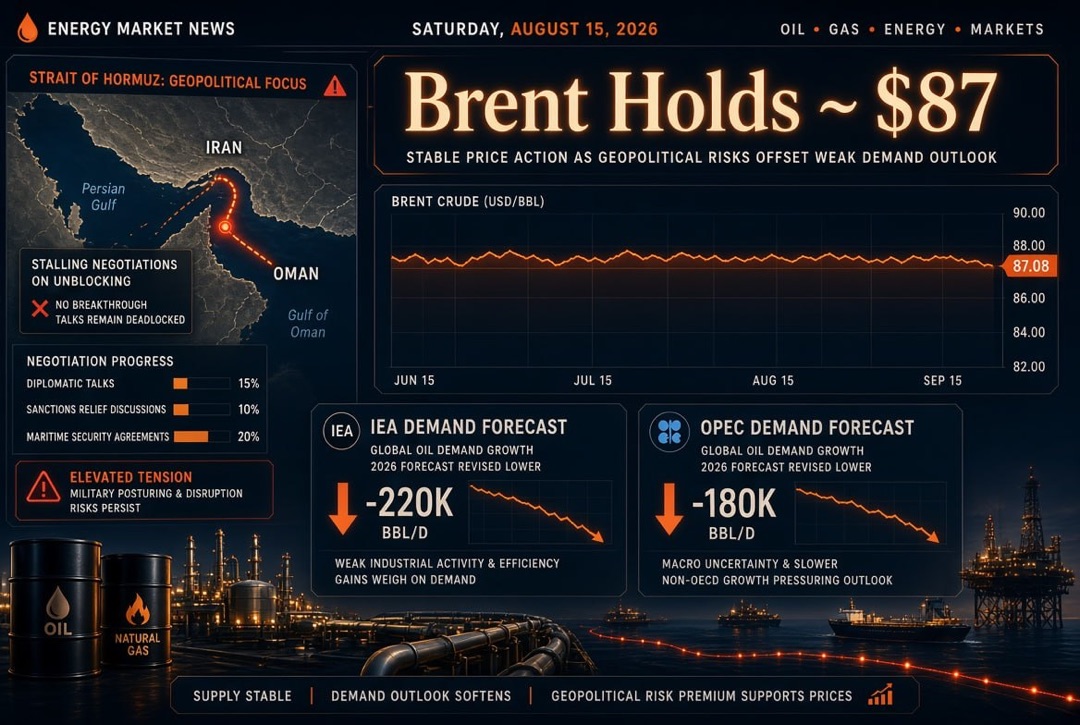
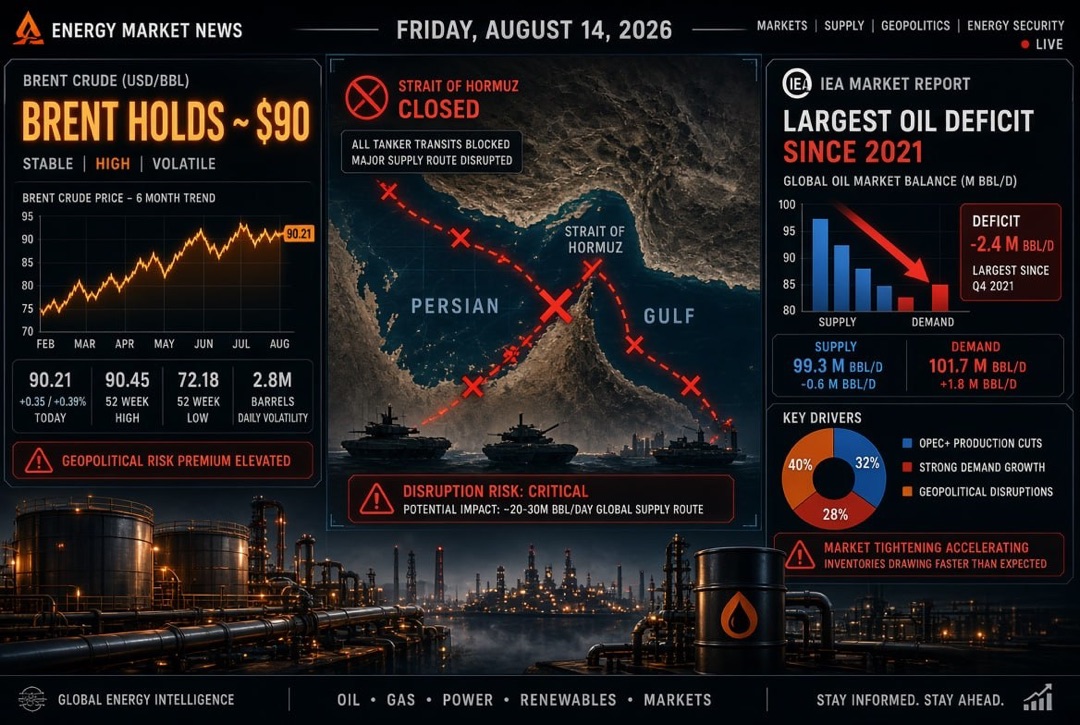
Energy prices on Tuesday may experience the influence of two factors: the weekly oil inventory statistics in the USA and international political developments. The American Petroleum Institute (API) is set to release data on commercial oil and petroleum product stocks for the past week on Wednesday night. Previous API reports indicated volatility in inventories toward the end of the year — from significant reductions due to rising export demand to unexpected stock accumulations. If fresh data show substantial declines in oil inventories, it will support Brent and WTI prices, signaling resilient demand and constrained supplies in the market. Conversely, an increase in inventories may temporarily weaken oil prices, intensifying fears of oversupply or slowed demand. Furthermore, the aforementioned meeting of the "coalition of the willing" regarding Ukraine will be another influencing factor: any escalatory statements or new sanctions may impact commodity markets, particularly oil and gas prices, given Russia's role and the allies in global energy supply. Overall, for commodity investors, this day will require attention to both the API figures and major political news.
Geopolitics: Meeting of Ukraine's Ally Coalition
A high level of geopolitical activity on Tuesday will be represented by the summit in France involving countries of the "coalition of the willing" that supports Ukraine. This diplomatic forum, which gathers leaders and high-ranking representatives from key Western nations, is aimed at coordinating further military and financial assistance to Ukraine and discussing strategies in light of the ongoing conflict. The outcomes of the meeting are crucial for financial markets concerning the overall risk appetite: reaffirmation of allies' unity and expanded support may strengthen investors' confidence in the stability of the situation in Europe, indirectly supporting the euro and assets from the region's emerging markets. However, if disagreements arise during the meeting or no specific decisions are made, this could heighten geopolitical uncertainty. News from Paris may particularly impact defense sector companies (should announcements regarding new arms supply contracts occur) and commodity markets, especially if issues regarding energy sanctions are discussed. Investors on this day will closely monitor the statements from summit participants and the readiness of countries to increase sanctions pressure or, conversely, hints at possible paths to conflict resolution.
Corporate Reports: Before Market Open (BMO, USA and Asia)
- RPM International (RPM) — an American manufacturer of building materials and coatings. Investors are anticipating the report for the last quarter of the 2025 fiscal year, focusing on the profitability of the construction chemicals and finishes segments amid fluctuating raw material prices. Positive demand forecasts in construction and renovation may bolster shares not only of RPM but also of the entire industrial materials sector.
- Takashimaya Co. (8233.T) — one of Japan's largest department store chains. The company will present results for the pre-holiday quarter, encompassing the sales season and New Year purchases. Key metrics include growth in comparable sales in major cities and trends in consumer spending in offline retail. Investors will also be interested in management's comments regarding tourist inflow and recovery of domestic consumption in Japan.
- Lindsay Corporation (LNN) — a manufacturer of irrigation systems and agricultural equipment (USA). The company's report will provide insights into farmers' capital investments against a backdrop of volatile agricultural prices. Special attention will be devoted to the volume of new orders for irrigation systems and infrastructure projects, as well as profitability considering rising raw material and logistics costs.
- AngioDynamics (ANGO) — an American medical technology company specializing in equipment for minimally invasive surgery and therapy. Analysts expect to see signs of improved sales in key product lines and reduced losses in the quarterly financial results. Focus will be on revenue growth rates in oncology and vascular surgery segments, as well as updated management guidance regarding turning profitable.
- AZZ Inc. (AZZ) — an industrial group from the USA working in the field of energy and utility equipment, as well as metal protection services (hot galvanizing). AZZ's report will serve as an indicator of activity in infrastructure projects and the energy sector. Investors will evaluate the volume of orders for electrical equipment and metal structures, as well as profit dynamics amid the implementation of federal infrastructure modernization programs.
Corporate Reports: After Market Close (AMC, USA)
- AAR Corp. (AIR) — an American company providing maintenance and supply services in the aerospace industry. AAR's quarterly report will indicate how confidently the recovery of civil aviation is progressing: increased revenues from aircraft maintenance and parts supply signal heightened activity among air carriers. Comments on the company’s defense contracts and the state of its clients — the Air Force and other government entities — are also crucial.
- Penguin Solutions (PENG) — a technology company specializing in high-performance computing solutions (HPC), enterprise server platforms, and memory components. Although Penguin Solutions falls under the mid-cap category, its results are noteworthy regarding trends in artificial intelligence and cloud computing. The market will look into revenue from data center solutions and margin trends amid high demand for AI equipment and data storage.
- Saratoga Investment Corp. (SAR) — an investment company (BDC) providing financing to small and medium-sized businesses in the USA. Saratoga Investment's report after market close may signal the state of the credit market: the dynamics of net investment income and loan volume will reflect both companies’ capital needs and the quality of the credit portfolio. Investors will also pay attention to the size of the BDC dividend, sensitive to changes in profits.
Other Regions and Indices: Euro Stoxx 50, Nikkei 225, MOEX
- Euro Stoxx 50: For leading European companies, January 6 is not expected to feature major individual reports, so macro data will set the trading tone in the Eurozone. The Composite Services PMI and inflation in Germany will shape expectations regarding the EU economy, affecting the banking sector and consumer companies. The euro and pound exchange rates may react to the statistics, reflecting on the region's exporters. Overall, the European market will assess how confidently the region is exiting the winter period of subdued growth.
- Nikkei 225 / Japan: The Japanese stock market is on the verge of the major reporting season for the third quarter of the financial year. Although most large Japanese corporations will publish results closer to the end of January, some releases are already attracting attention. In particular, the performance of retailers like Takashimaya will provide an early signal of consumer activity during the holiday season. Moreover, external factors, including yen dynamics and PMI data from China, may influence investor sentiment in Tokyo. Nikkei 225 will react keenly to the technology sector: any news about demand for electronics and semiconductors sets the direction for high-tech blue chips.
- MOEX / Russia: The Russian stock market returns to work after the extended New Year holidays, so on January 6, investor activity may be lower than usual. Significant corporate reports from issuers in the MOEX index are not expected on this day: traditionally, the publication of full 2025 financial results will begin later in January-February. However, external benchmarks — global oil prices and the sentiments of global markets — will be decisive for the dynamics of Russian stocks and the ruble exchange rate. Some companies may disclose operational metrics for December (e.g., production volumes from oil and gas producers or sales from retailers), providing local investors with additional reasons to reassess their positions. Overall, MOEX enters the new year influenced by external factors and geopolitical rhetoric, maintaining a focus on commodity trends and the monetary policy of the Bank of Russia.
Day Summary: What Investors Should Focus On
- Global Services PMI: A synchronized improvement in services PMI indices (especially in the Eurozone, the UK, and the USA) would constitute a positive signal for stock markets and commodity prices. However, weak figures in certain countries might amplify discussions about recession risks — leading to increased interest in bonds and defensive assets.
- Inflation in Germany: The CPI figures for December will set the tone for expectations regarding ECB policy. Soft inflation data (below forecasts) could strengthen European bonds and weaken the euro, supporting stocks in interest-sensitive sectors (real estate, auto lending). Conversely, any unexpected inflation increase could pressure Euro Stoxx 50 and lead to a local strengthening of the euro on Forex.
- Oil and Commodities: The API report on oil inventories may trigger price movements in energy resources during the Asian and European sessions on Wednesday. Oil and gas sector investors should be ready for volatility: a reduction in inventories will strengthen Brent prices and shares in the oil and gas sector, while an increase in inventories, or negative news stemming from the Ukrainian summit, may weaken the oil market.
- Geopolitical News: The outcomes of the coalition meeting on Ukraine in France will have a delayed impact. Any statements regarding increased support or, conversely, disagreements among allies may reflect on European markets and the euro exchange rate. Additionally, heightened sanctions rhetoric could affect commodity markets (oil, metals) and stocks of companies linked to these sectors.
- Corporate Reporting: Among the day’s releases, particular interest is given to RPM International (a key indicator for the construction sector) before market open and AAR Corp. (aviation sector) after market close. Their results and forecasts may locally influence the corresponding sectoral indices. Investors should also pay attention to the technological components of the reports (e.g., Penguin Solutions' data on the HPC segment) and consumer demand signals from Asia (sales from Takashimaya) — these factors may help adjust strategies at the beginning of the new year.
- Risk Management: Given the abundance of mixed events — from macroeconomic data to geopolitics — January 6 may bring increased market volatility. It would be wise for investors to predefine key levels for their positions and utilize protective tools (stop orders, hedging), as well as avoid excessive risks before the release of crucial indicators. Balancing between PMI data, inflation, and news, it is crucial to maintain diversification and monitor asset correlation within the portfolio.