Key Economic Events and Corporate Reports on Tuesday, December 30, 2025: Russia's PMI, Fed Minutes, Case-Shiller Index in the U.S., Oil, and Global Markets. Investor Overview.
Financial markets remain sensitive to macroeconomic news and corporate releases as the year comes to an end. On Tuesday, the focus will be on the Russian economy and monetary policy (the Central Bank of Russia will set currency exchange rates for the New Year holidays), as well as foreign statistical data: PMI for the services sector and composite index for Russia (12:00 MSK), the S&P Case-Shiller home price index in the U.S. (17:00 MSK), and the minutes from the latest FOMC meeting (22:00 MSK). Additionally, markets will be awaiting the API report on U.S. crude oil inventories (00:30 MSK January 1). The corporate highlights of the day will be supplemented by reports from individual companies, with the annual reporting calendar being almost empty.
Macroeconomic Calendar (MSK)
- 09:00 — Russia: Services PMI (December) and Composite PMI (December).
- 17:00 — U.S.: S&P Case-Shiller Home Price Index (October).
- 22:00 — U.S.: Publication of minutes from the last FOMC meeting.
- 00:30 (January 1) — U.S.: API report on crude oil inventories (for the week).
Central Bank of Russia: Currency Exchange Rates
On the last working day of the year, the Bank of Russia will set currency exchange rates that will be in effect throughout the holiday week. A meeting is scheduled for December 30, during which the Central Bank will establish the official exchange rates for the dollar, euro, and yuan for the period from December 31, 2025, to January 12, 2026. This step ensures relative stability for the ruble during the holidays, shifting the primary risks to global factors: oil price dynamics and external economic conditions.
Services PMI Index (Russia)
The release of the business activity indices in the services sector and the composite PMI will allow for an assessment of the current state of the Russian economy. Preliminary data indicates a slowdown: the manufacturing PMI fell to 48.1 in December (indicating a contraction in production). If industrial dynamics remain unfavorable, the services sector may only show weak growth or stagnation. Investors will be closely monitoring these indicators, as a recovery in services activity typically supports the stock market and the ruble, while a prolonged downturn could intensify pressure on corporate profits.
U.S. Home Price Index (Case-Shiller)
At 17:00 MSK, the October figures from the S&P CoreLogic Case-Shiller index on home prices will be released. Continued growth slowdown is expected, with an annual increase of around +1.1% (similar to the previous month). In September, the index showed +1.6% (forecasted +1.4%), while in October, it is estimated to be approximately +1.1% year-over-year. The deceleration in home price growth alleviates mortgage burdens and reduces inflationary pressures. For the markets, this signals that moderate growth in real estate eases monetary policy and supports demand in other sectors of the economy.
Fed Minutes
The minutes from the December FOMC meeting will be published at 22:00 MSK. Analysts expect confirmation of the plan to gradually lower interest rates in 2026. Key will be the text regarding inflation prospects and timing for easing. Market participants intend to scrutinize the protocols closely for new insights on the pace of tightening or easing of policy. Market reactions could be significant: any noteworthy comments on inflation and employment will influence the dollar's dynamics and bond yields.
Oil Inventories (API)
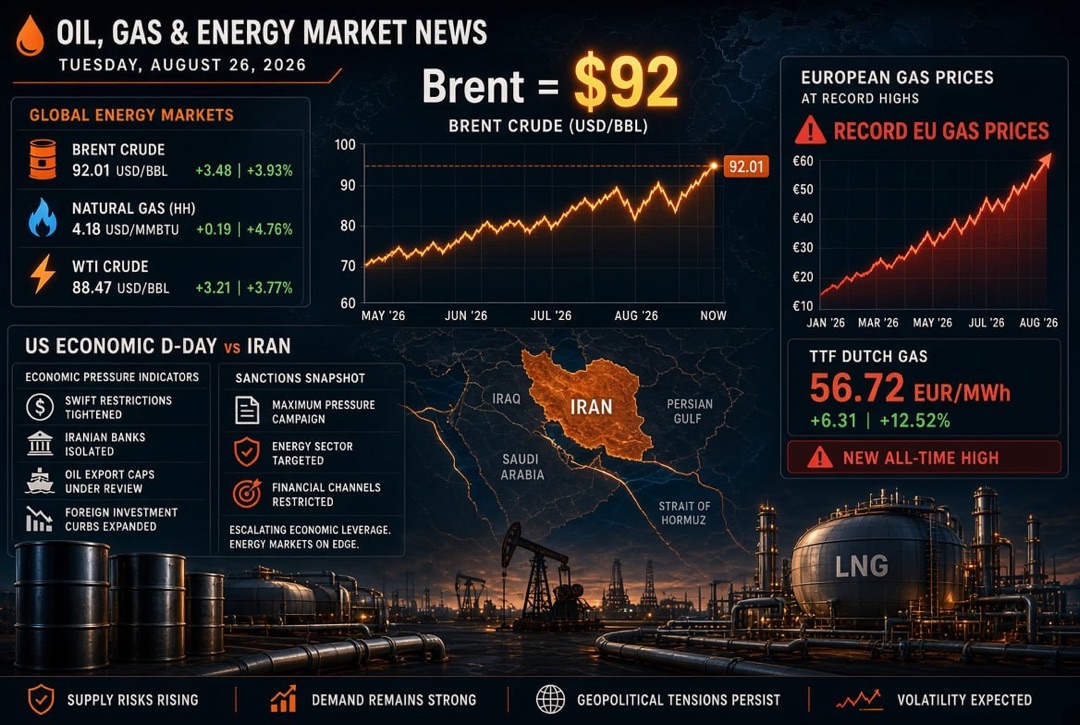
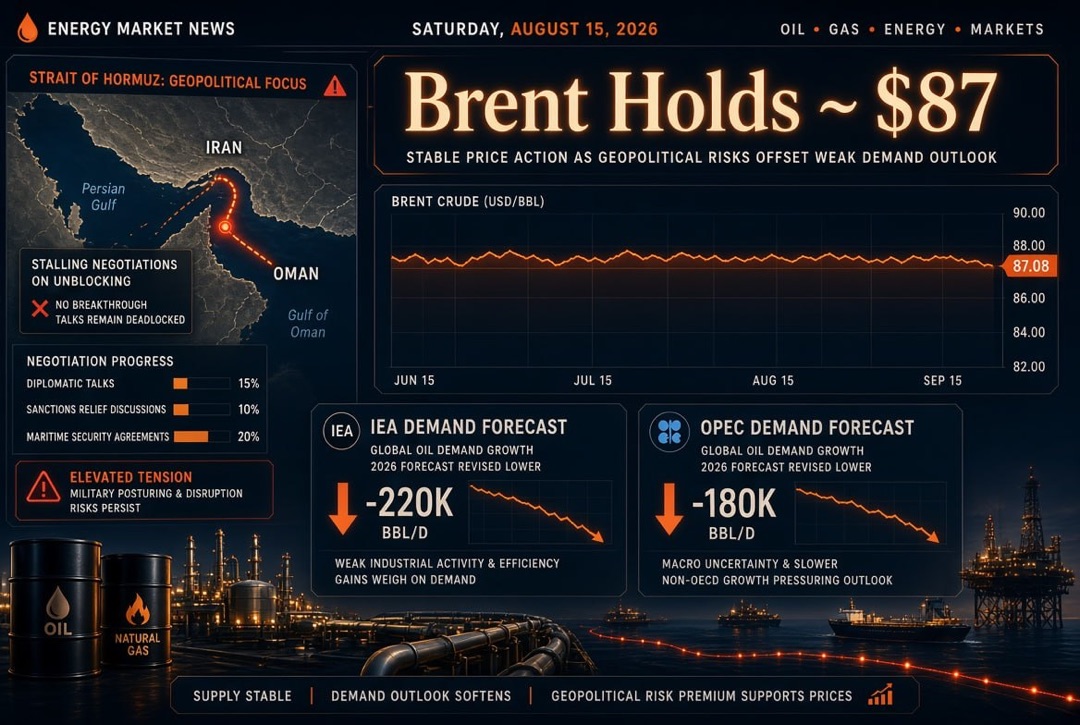
The API report on oil inventories (00:30 MSK) often sets the short-term price dynamics for oil. According to API data, U.S. oil inventories rose by 2.4 million barrels for the week ending December 19 after a drop of 9.3 million barrels the previous week. An increase in inventories indicates a slowdown in demand. Investors will carefully compare these figures with the official EIA report: additional inventory accumulation could lower oil prices, while unexpected reductions could support prices. Long-term trends depend on OPEC+ decisions and global demand, so any signs in the commodity markets should be considered in trading strategies.
Corporate Reporting
- U.S. – OBOOK Holdings (OWLS) – a subsidiary of OwlTing (blockchain platform). After the market closes on December 30, OBOOK will release its financial results for the first half of 2025 and hold a conference call (17:00 Eastern Time). Investors will assess the company’s revenue and profitability against global trends in the technology sector.
- Asia (Hong Kong) – Global Strategic Group Limited (8590.HK) and Capital VC Ltd (2324.HK) will present annual reports. These companies are involved in electronics and finance. Their results may provide insight into the state of the technology and finance sectors in Hong Kong, but their impact on global indices is likely to be limited.
- Europe – Due to the Christmas holidays, the corporate calendar is empty. Major European companies have either reported earlier or will do so in January, so few surprises in reporting are expected.
- Russia – There are virtually no reports on Tuesday: major issuers have already reported and are preparing for the annual period. The focus is on dividend and operational news, and key indices are responding to macro data and external factors.
Other Regions and Indices: Euro Stoxx 50, Nikkei 225, MOEX
- Europe (Euro Stoxx 50): European exchanges are experiencing a lull. There’s a scarcity of fresh economic data, and trading has been sluggish. Investors are looking to global factors (currency rates, oil, events in Asia), while local factors (Eurozone GDP, ECB) are taking a backseat.
- Asia (Nikkei 225): The Japanese market may be partially closed or operating on a reduced schedule due to the holidays. Attention is primarily on external trends: the yen's exchange rate and commodity prices. Domestic releases are not significant on this short trading day.
- Russia (MOEX): Activity on the Moscow Exchange is minimal. The focus is on oil and the Central Bank of Russia's policies (fixed exchange rates). Energy companies are sensitive to rising oil prices, while the financial sector reflects seasonal conservativeness in banking operations.
Day's Highlights: What Investors Should Pay Attention To
- Fed and Inflation: Case-Shiller and FOMC protocols will clarify the outlook on inflation and interest rates. Low home price growth (October +1.1% y/y) eases inflationary pressures, enabling the Fed to adopt a more accommodative stance in 2026.
- Ruble and CBR: Fixed exchange rates until January 13 remove short-term currency risks. The focus is on oil prices: their increase supports the ruble and oil companies' stocks, while falling oil prices could weaken the national currency and pressure the budget.
- Commodities: API and EIA reports on oil inventories could trigger short-term fluctuations. Disappointing inventory data could pull prices down, while unexpected declines could unexpectedly boost oil prices. It's essential to consider news on precious metals (such as silver exports from China) as they could provide additional momentum for the commodity markets.
- Liquidity: The end of the year is characterized by low trading activity. Even minor news can lead to significant volatility. Investors should exercise caution, diversify their portfolios, and account for the risk of sudden movements as the year closes.