Macroeconomics and Corporate Reports on June 9, 2026: China's Trade, US Trade Balance, Housing Sales, EIA Oil Forecast, API Inventories, Christine Lagarde's Speech, and Reports from Major Public Companies
On Tuesday, June 9, 2026, investors will find themselves evaluating several key market hypotheses: the resilience of the global trade cycle, ongoing pressure in the oil market, the state of demand in the U.S. economy, and the ability of consumer companies to maintain margins amid high capital costs. The primary indicators for the S&P 500, Euro Stoxx 50, Nikkei 225, and MOEX will include data on China's trade, the U.S. trade balance, existing home sales, the short-term oil forecast from the U.S. Energy Information Administration (EIA), Christine Lagarde's address, and the evening API statistics on U.S. oil inventories.
Investors' Brief Overview for the Day
The main intrigue of the day lies in the interplay between macroeconomics and corporate reporting. The morning will bring signals from China regarding May's external trade. Attention will shift to the U.S. in the afternoon: the trade balance for April and existing home sales for May will reveal how the U.S. economy is navigating a period of expensive credit, high import costs, and cooling consumer demand. In the evening, the oil market will assess the EIA’s short-term forecast and API inventories, while European investors will closely watch the rhetoric from the ECB ahead of the upcoming regulatory meeting.
For CIS investors, this day is significant not only for the statistical data from the U.S., China, and Europe. The figures directly impact the dollar, Treasury yields, Brent and WTI crude oil prices, industrial metals, consumer sector stocks, energy companies, and export-oriented assets in emerging markets.
Geopolitical Context: Xi Jinping's Visit to North Korea
The second day of Chinese President Xi Jinping's visit to North Korea enhances the geopolitical component of trading during the Asian session. For the market, this is not a localized diplomatic event but part of a larger picture: China seeks to bolster its influence in Northeast Asia, while investors assess risks to logistics, the defense sector, sanctions policies, and regional currencies.
Against the backdrop of the visit, additional attention will be drawn to Chinese assets, the South Korean market, Japanese stocks, and defense industrial companies. For the Nikkei 225 and Asian ETFs, both China's trade data and the overall level of political uncertainty in the region will be crucial.
China: Global Trade Data for May
The day’s first significant macroeconomic event is the release of China's global trade figures for May. For investors, this serves as an indicator of global demand, industrial supply chains, electronics exports, raw material imports, and the resilience of the Asian manufacturing cycle.
Strong Chinese export data typically supports commodity currencies, industrial metals, transportation companies, and equipment manufacturers. However, a rapid expansion of the trade surplus may heighten the risks of trade restrictions from the U.S. and Europe. It is essential for the market to evaluate not only the total export volume but also the composition: supplies of electronics, artificial intelligence components, vehicles, industrial equipment, and consumer goods.
U.S.: Trade Balance and Existing Home Sales
At 3:30 PM Moscow time, investors will await the U.S. trade balance data for April. This indicator is crucial for assessing the contribution of external trade to GDP, import dynamics, dollar resilience, and demand for foreign goods. Should the deficit align with expectations, the market may interpret this as a moderately positive signal for the dollar and U.S. GDP. Conversely, if the deficit widens, concerns will increase regarding the sustainability of the U.S. external trade position.
At 5:00 PM Moscow time, existing home sales for May will be published. The housing market remains sensitive to mortgage rates, household incomes, and inflation expectations. For investors, this figure is important not only by itself but also in how it influences bank stocks, construction companies, building materials manufacturers, furniture retail, and the consumer sector. Weak sales may intensify expectations for an economic slowdown, while robust data could support a scenario of resilient domestic demand.
Oil: U.S. Energy Department Forecast and API Inventories
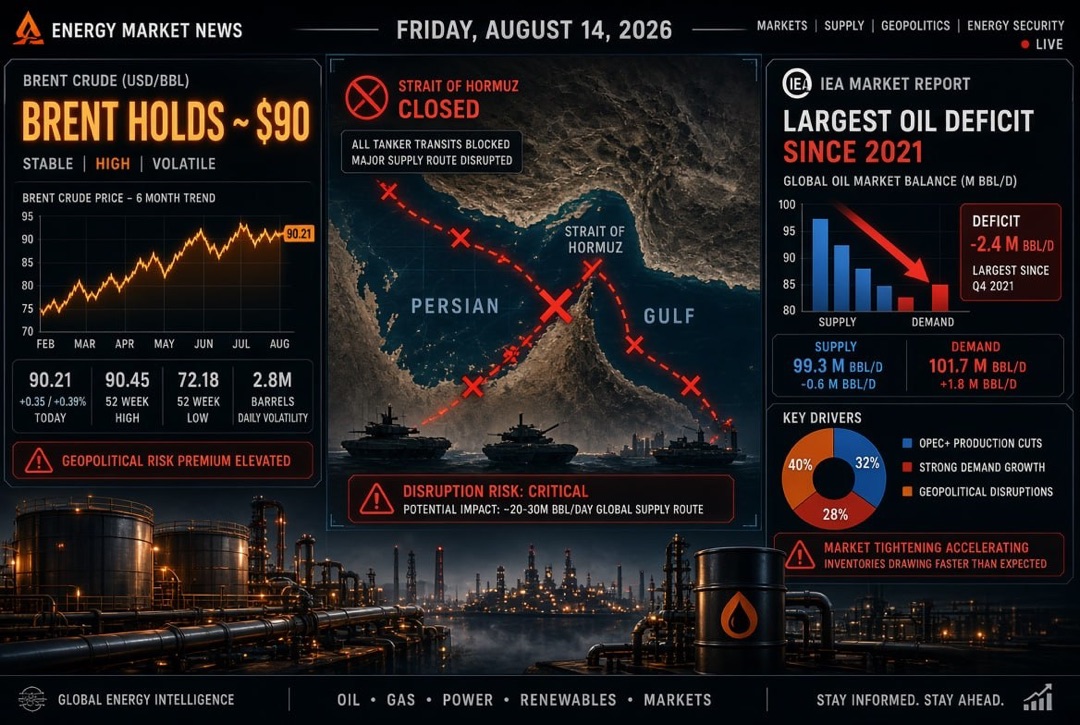
At 7:00 PM Moscow time, the U.S. Energy Department will release its short-term oil market forecast. For Brent and WTI, this is one of the week's key events, as the EIA updates estimates on production, inventories, demand, prices, natural gas, petroleum products, and electricity. Investors will watch carefully to see if the department alters its forecast for global oil inventories, U.S. production, fuel consumption, and price dynamics amid geopolitical risks.
At 11:30 PM Moscow time, API will release weekly data on U.S. oil inventories. The market will focus on three main components: changes in crude oil, gasoline, and distillates inventories. A significant reduction in inventories generally supports oil prices and shares of oil and gas companies, while an increase in inventories may signal weakening demand or rising supply.
Europe and the ECB: A Signal from Christine Lagarde
At 7:30 PM Moscow time, investors will monitor the activity of ECB President Christine Lagarde. Even if the event does not involve the publication of a full text of the speech, the market will evaluate the overall context before the upcoming European Central Bank meeting. For the Euro Stoxx 50, three key questions remain: inflation in the eurozone, energy costs, and the trajectory of interest rates.
The impact on European stocks will be particularly significant for banks, industrial firms, the consumer sector, and energy companies. A more hawkish rhetoric from the ECB may bolster the euro and exert pressure on growth stocks. Conversely, a more cautious tone could support European indexes, especially for companies with high debt loads.
U.S. Corporate Reports: Consumer Sector, Food Products, Retail, and Software
The corporate reporting on June 9 will concentrate in the U.S. around consumer demand, the food sector, retail, software, and select mid-cap and small-cap companies. The major names to watch are Casey’s General Stores, J.M. Smucker, Academy Sports + Outdoors, United Natural Foods, Cracker Barrel, SailPoint, Domo, and Suja Life.
Before the Market Opens
| Company | Ticker | Sector | Investor Considerations |
|---|---|---|---|
| J.M. Smucker | SJM | Food Products | Margins, prices, demand for coffee, snacks, and pet food |
| Academy Sports + Outdoors | ASO | Sports Retail | Consumer spending, inventory levels, sales forecast |
| United Natural Foods | UNFI | Food Distribution | Shipment volumes, debt load, operating margin |
| SailPoint | SAIL | Cybersecurity | Subscription growth, demand for identity security, revenue forecast |
| Uranium Energy | UEC | Uranium and Energy | Capital expenditures, uranium market, long-term contracts |
| Lands’ End | LE | Apparel and E-commerce | Online sales, discounts, gross margin |
| Designer Brands | DBI | Footwear Retail | Consumer demand, store traffic, inventory |
| Titan Machinery | TITN | Agricultural and Construction Equipment | Equipment demand, credit conditions, agricultural cycle |
After the Market Closes
| Company | Ticker | Sector | Investor Considerations |
|---|---|---|---|
| Casey’s General Stores | CASY | Convenience and Fuel Stores | Comparable sales, fuel margin, S&P 500 index effect |
| Cracker Barrel | CBRL | Restaurants | Traffic, average check size, cost pressures |
| BARK | BARK | Pet Products | Subscription model, customer retention, marketing expenses |
| Domo | DOMO | Cloud Software | ARR, customer retention, path to profitability |
| Skillsoft | SKIL | Educational Technology | Corporate training, EBITDA, free cash flow |
| Suja Life | SUJA | Non-Alcoholic Beverages | First reporting cycle post-IPO, revenue, margin, distribution |
| Lakeland Industries | LAKE | Protective Clothing | Industry demand, government contracts, margins |
| Limoneira | LMNR | Agribusiness | Citrus prices, yield, land assets |
European, Asian, and Russian Markets
Among European companies outside the Euro Stoxx 50, investors should note Oxford Instruments, which will release preliminary annual results. For Europe, this serves as an important indicator of demand for scientific equipment, analytical instruments, and industrial technologies. In Asia, the primary focus of the day will not only be on the Nikkei 225's reporting but also on China's trade statistics, regional geopolitics, and U.S. listings of companies associated with China, including EHang and TH International.
For the Russian market, MOEX does not indicate significant reports from major issuers that could drive an independent market impulse on June 9. For Russian investors, key external factors remain oil, the ruble exchange rate, global demand dynamics, signals from the ECB, and China's trade data.
Key Considerations for Investors
The key takeaway for the day is this: Tuesday, June 9, 2026, examines three market blocks—global trade, oil balance, and the resilience of consumer demand. Investors should closely monitor the following factors:
- strong data from China may bolster commodity assets, industrial metals, and Asian markets;
- the U.S. trade balance can influence the dollar, bond yields, and GDP expectations;
- existing home sales will indicate how resilient the housing market is against high interest rates;
- EIA forecasts and API inventories will set the short-term tone for Brent, WTI, and oil and gas stocks;
- ECB rhetoric is crucial for the euro, European banks, and the Euro Stoxx 50 index;
- reports from Casey’s, J.M. Smucker, Academy Sports, UNFI, and Cracker Barrel will provide insights into the real state of the American consumer;
- reports from SailPoint, Domo, and Skillsoft will reveal whether demand for software, corporate training, and cybersecurity remains strong.
For portfolio investors, this day necessitates caution: macroeconomic publications could intensify intraday volatility, while post-market reporting may influence futures for the S&P 500 and Nasdaq during the evening session. The optimal strategy is to assess not individual indicators but the connections among data points: China, the U.S., oil, the ECB, and corporate forecasts. This combination will reveal where the market sees sustainable growth and where it starts to price in the risks of a slowing global economy.