Overview of Economic Events and Corporate Reports on February 21, 2026: Global Markets, S&P 500, Euro Stoxx 50, Nikkei 225 and MOEX Indices, Macroeconomic Data, and Guidance for Investors Ahead of the New Week.
Saturday, February 21, 2026, is a day marked by a minimal number of 'classical' market drivers: major exchanges in the US and Europe are closed, and corporate reporting for indices such as S&P 500, Euro Stoxx 50, Nikkei 225, and MOEX is typically not released on weekends. Nevertheless, for investors, this day is significant as a portfolio adjustment point ahead of the new week: the market will digest results from the Friday session, upcoming corporate reports, crude oil and dollar trends, as well as expectations regarding monetary policy from the major central banks.
The key focus on February 21 will be singular macroeconomic indicators and corporate communications (including calls/transcripts) that are released outside of 'prime-time' market liquidity. Globally, attention remains on inflation and interest rates (Fed, ECB, Bank of Japan), the resilience of consumer demand, and evaluations of the technology sector, where reports from leading companies set the tone for the entire market.
Market Context: Liquidity, Volatility, and the 'Vector of the Week'
On this non-trading day, real liquidity in equities is limited, but:
- Futures and over-the-counter indicators (commodities, currencies, cryptocurrencies) continue to shape expectations for Monday's opening.
- Rate expectations are shifting based on Friday's data and comments from regulators: investors are reconciling inflation trends with the risk of economic slowdown.
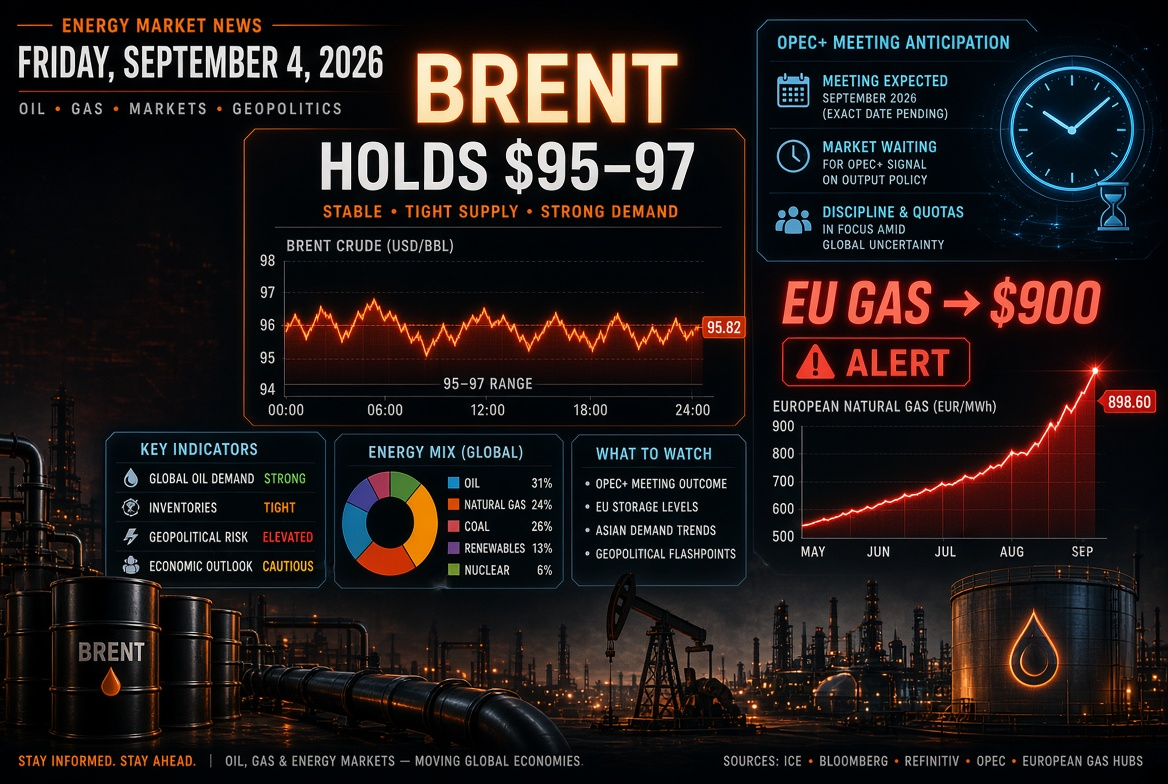
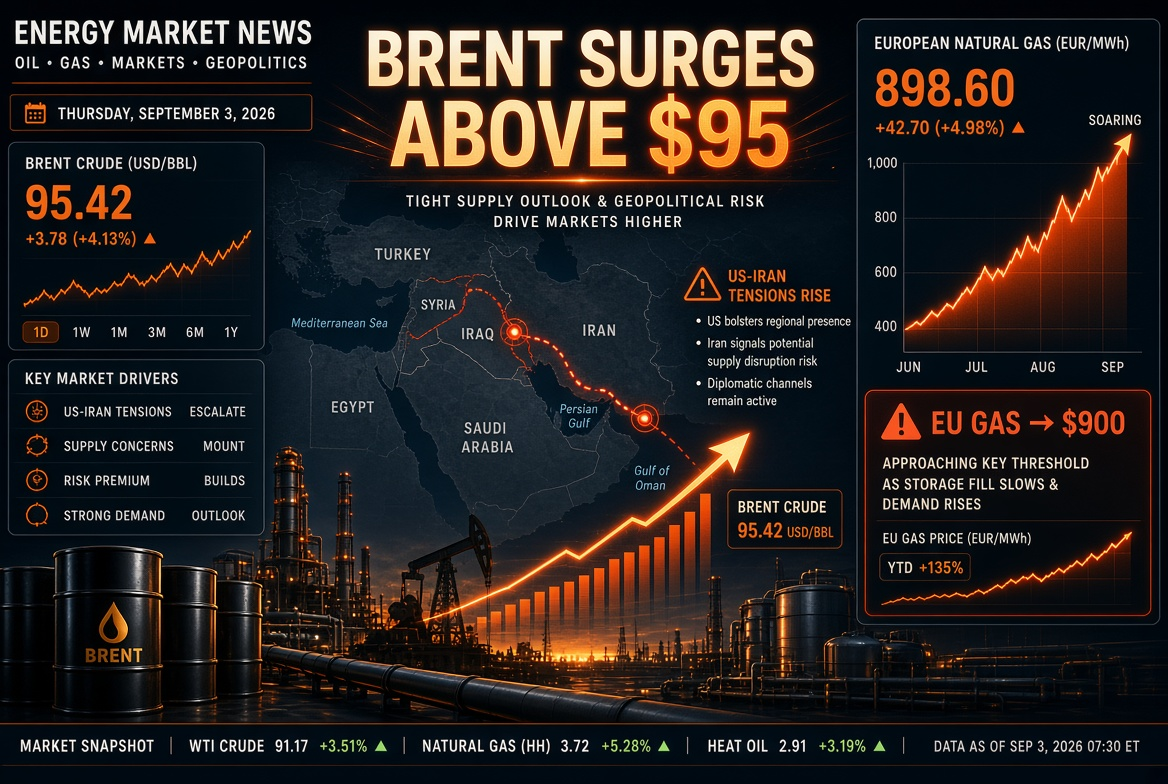
- The commodities block (oil/gas) remains a mood marker: price dynamics influence inflation forecasts, the currencies of exporters, and stocks in the energy sector.
For the CIS audience, the ruble exchange rate, oil prices, and the overall risk appetite of global funds are also important, as these channels transmit funding conditions and risk demand in the region.
Economic Events of the Day: Macro Data and Publications
The Saturday calendar includes a limited set of statistics. At the same time, even 'local' data can influence the currency market and risk appetite through cross-rates and rate expectations.
Asia and the Pacific: New Zealand
- New Zealand: Core Retail Sales, quarter-on-quarter (QoQ).
Why this is important:
- The indicator reflects the resilience of domestic demand and helps the market assess the inflation trajectory.
- Strong sales may support the New Zealand dollar and bolster expectations for a tighter monetary policy, while weak sales could reduce rate expectations.
- Through the 'Asian session' and cross-rates NZD/AUD/JPY, this signal may indirectly reflect sentiments towards risk assets in the region.
USA: Data Calendar and Regulators
For February 21, no significant official releases for the US are typically planned due to the weekend format. However, investors should consider the inertia from Friday's publications and that by Monday the market will likely reassess:
- Expectations regarding the Fed's rate and probabilities of a 'higher for longer' scenario;
- The state of consumer sentiment (confidence surveys, components of inflation expectations), as demand remains key to corporate profit forecasts;
- Drivers in the technology sector, where forthcoming reports from major issuers will set the tone for the entire S&P 500.
Europe: Inflation Expectations, EUR, and Risk Premiums
Europe’s weekend is also light on the calendar. The market will focus on general conditions:
- Dynamics of EUR/USD and 'reassessment' of European risks in light of ECB rates;
- Yield spreads on sovereign bonds and appetite for credit risk;
- Euro Stoxx 50 sensitive sectors — banks, industry, consumer companies — as a barometer for expectations regarding economic growth.
Russia and CIS: MOEX, Ruble, and Commodity Factors
For the Russian market, Saturday is a non-trading day, but it is crucial for investors to monitor factors that shape the opening for the next week:
- Oil and oil products as key external factors for the ruble and budget expectations;
- Dynamics of the dollar and global financial conditions (UST yields, risk appetite);
- Corporate news from MOEX issuers (management comments, dividends, operational performance), which often comes out of trading hours.
Corporate Reports: What is Scheduled for Saturday
On weekends, there is usually no 'mass' reporting: companies from S&P 500 and Euro Stoxx 50 typically release their reports during weekdays to ensure investor access to Q&A and adequate market reactions. However, for February 21, some calls/public communications are scheduled regarding period-end results.
Premarket
- USA (S&P 500): No major reporting is expected on Saturday; the market is preparing for the main wave of reports next week.
- Europe (Euro Stoxx 50): No major reporting is expected on Saturday; attention is on weekly results and ECB rate expectations.
- Japan (Nikkei 225): Standard reporting on Saturday is rare; investors are focused on the yen exchange rate and signals from the Bank of Japan.
- Russia (MOEX): The exchange is closed; corporate announcements may occur outside trading hours, but financial reports typically follow 'market schedule' during weekdays.
After-Market Closures
- CoinShares International Limited: Communication/call regarding Q4 2025 results (listed as an event on February 21).
- QBE Insurance Group Ltd: Scheduled communication/call regarding period-end results (listed as an event on February 21), although official results may have been released earlier.
How should an investor interpret such events:
- On a non-trading day, stock reactions may be delayed—the key effects will manifest during the next trading session opening.
- The focus shifts to the quality of management comments: forecasts concerning margins, capital expenditures, risks, and demand are more important than merely the past quarter's performance.
- If a company operates within the financial sector, commodities, or technology, investors additionally evaluate the sensitivity of the business to rates, volatility, and currency fluctuations.
Key Events of the Day: What Could Shift Expectations
- Macroeconomic signal from New Zealand (retail sales) as an indicator of consumer resilience and rates.
- Reassessment of expectations for the coming week: the market will prepare for large reports and publications/comments that may alter the outlook on inflation and rates.
- Movement in commodities and currencies in the 'thin' liquidity of the weekend—important for the opening on Monday, especially for oil and the dollar.
Conclusion: What Investors Should Focus On Before the New Week
Saturday, February 21, 2026, represents a day devoid of a significant influx of data and the main wave of corporate reporting, but it is useful for preparing for the upcoming week. Investors should concentrate on three key aspects:
- Check the rate scenario (Fed/ECB/Bank of Japan): any shifts in expectations rapidly reflect on growth stock valuations and the currency market.
- Assess earnings quality from recent reports and management comments: forecasts are essential, not merely the quarterly fact.
- Align risk positioning with considerations regarding oil, the dollar, and overall volatility: for CIS markets, this directly correlates with the exchange rate, interest rates, and capital inflow.
If your strategy is tied to global indices (S&P 500, Euro Stoxx 50, Nikkei 225) and the Russian market (MOEX), the logic over the weekend is straightforward: minimize surprises at the Monday opening and proactively determine risk levels at which you will either increase or reduce positions.