Detailed Overview of Economic Events and Corporate Reports on December 10, 2025. Federal Reserve Meeting, Bank of Canada Decision, Inflation Data from China, Russia, and Brazil; Speeches by the Governor of the Bank of England and the President of the ECB; EIA Oil Inventories; as well as Results from Companies in the USA, Europe, Asia, and Russia.
Wednesday presents a packed agenda for investors: in Asia, the key release is the Consumer Price Index (CPI) for China, which is expected to confirm weak price pressures and likely the continuation of the People's Bank's accommodative policy; in the Middle East, attention is drawn to the inaugural Russian-Emirati Business Forum in Dubai, emphasizing the strengthening of bilateral partnerships; in Europe, market participants are monitoring speeches by the Governor of the Bank of England Andrew Bailey and the President of the ECB Christine Lagarde for new signals regarding monetary policy. The highlight of the day will be the Federal Reserve meeting—the outcomes will set the tone for the dynamics of stock indices and currencies.
Adding to the picture is the Bank of Canada's interest rate decision, the publication of November's inflation data in Brazil (followed by a late meeting of the Central Bank of Brazil), and the US Energy Information Administration's (EIA) oil inventory statistics. On the corporate front, a series of earnings reports are expected: in the US, financial results will be presented by technology leaders (Oracle, Adobe, among others) as well as a number of companies from retail and industrial sectors; in Europe, the reports from the tourism holding TUI and retailer Metro are noteworthy; in Asia, trade updates will be published by semiconductor manufacturers (e.g., TSMC); and in Russia, Aeroflot will present its nine-month report. Investors should evaluate these events collectively: signals from central banks ↔ bond yields ↔ currency rates ↔ commodity prices ↔ risk appetite in the markets.
Macroeconomic Calendar (MSK)
- All day - UAE/Russia: First Russian-Emirati Business Forum (Dubai).
- 04:30 - China: November Consumer Price Index (CPI).
- 13:45 - United Kingdom: Speech by the Governor of the Bank of England Andrew Bailey.
- 13:55 - Eurozone: Speech by the President of the ECB Christine Lagarde.
- 15:00 - Brazil: November Consumer Price Index (CPI).
- 17:45 - Canada: Bank of Canada interest rate decision.
- 18:30 - USA: EIA oil inventories (weekly statistics).
- 18:30 - Canada: Bank of Canada press conference following the meeting.
- 19:00 - Russia: Inflation rate (CPI, operational data for November, YoY).
- 22:00 - USA: Federal budget for November.
- 22:00 - USA: FOMC meeting (Fed interest rate decision).
- 22:30 - USA: Press conference by Fed Chair Jerome Powell.
- 00:30 (Thu) - Brazil: Central Bank's interest rate decision.
Geopolitics: Russian-Emirati Business Forum
- Dubai hosts the inaugural Russian-Emirati Business Forum, aimed at strengthening economic partnerships between Russia and the UAE. The event involves over 200 delegates, including representatives from major companies, investment funds, technology start-ups, and logistics operators from both countries. The forum occurs against the backdrop of increasing trade and investment between Russia and the Emirates and may result in new agreements in industries such as energy, transport, and others.
China: CPI Index and PBOC Policy
- Inflation in China is projected to remain around 0% YoY in November, reflecting weak consumer demand and deflationary pressure. The absence of price growth alongside the recent decline in producer prices (PPI) strengthens expectations that the People's Bank of China will maintain an accommodative monetary policy to support the economy. Any signs of a resurgence in inflation could reduce the need for new stimulus measures; however, the current indicators suggest that a soft approach (low rates, liquidity injections) is necessary to boost domestic demand.
Europe: Signals from the Bank of England and ECB
- The Governor of the Bank of England Andrew Bailey and ECB President Christine Lagarde will deliver speeches, which investors will scrutinize for future rate plans. In the UK, inflation remains above the target level; however, economic slowdown may force the BoE to adopt a wait-and-see approach and hint at the possibility of a rate cut in 2026. Lagarde is likely to reaffirm the ECB's commitment to the 2% target and a cautious position: in light of slowing growth in the eurozone, the regulator may signal a prolonged pause in rate hikes. Any hints of a change in tone (either more "dovish" or "hawkish") could impact EUR and GBP rates, as well as European bond markets.
USA and Canada: Fed Meeting and Bank of Canada Decision
- The Federal Reserve is holding its final FOMC meeting of the year. Markets widely anticipate a 0.25 percentage point rate cut (to a range of ~5.00–5.25%) amid slowing inflation and signs of weakening labor markets. Investors will focus on statements from Fed Chair Jerome Powell, especially regarding inflation risks and hints about the policy trajectory in 2026. A more dovish tone (readiness for further easing) could weaken the dollar and support stock growth, while retaining caution (hawkish tones regarding inflation) may provoke short-term volatility and increased bond yields.
- The Bank of Canada will announce its rate decision: it is expected that the regulator will keep the rate steady (current level around 2.25%) following a year of rate cuts. Slowing economic growth and inflation nearing its target allow the central bank to pause its easing policy. In the accompanying statement, market participants will look for signals regarding future plans—specifically, the willingness to resume rate cuts in the event of a deeper economic downturn. The Canadian dollar and bond market will respond to the communication tone: a neutral message will cement current expectations, while an unexpectedly dovish position (hinting at future stimulus) may lead to additional declines in yields and currency weakening.
Emerging Markets: Inflation in Russia and CB Brazil's Decision
- In Russia, the operational estimate of inflation for November should show a yearly price increase of around 6%, exceeding the Central Bank of Russia's target (4%). While this reflects a slight decrease compared to the autumn peaks, inflationary pressures remain significant due to the weakening ruble and budgetary expenditures. November figures are crucial for understanding year-end price dynamics: if inflation does not slow, the Bank of Russia is likely to maintain a stern rhetoric and high rates in the upcoming meeting. For the ruble, persistently high inflation indicates a limited scope for rate reductions, potentially forcing the regulator to maintain strict monetary conditions for a longer period.
- In Brazil, November CPI is expected to be below 5% YoY, continuing the trend of slowing price growth due to prior policy tightening. Against the backdrop of declining inflation, the Central Bank of Brazil (Copom) is likely to cut the base rate (current level around 9.25%) to support the economy during its evening meeting. Markets anticipate a reduction of about 0.50 percentage points, therefore the regulator's comments on further steps will be critical. Continuing the easing cycle in Brazil will support the local stock and bond markets but could create some pressure on the real.
Oil Market: EIA Inventories
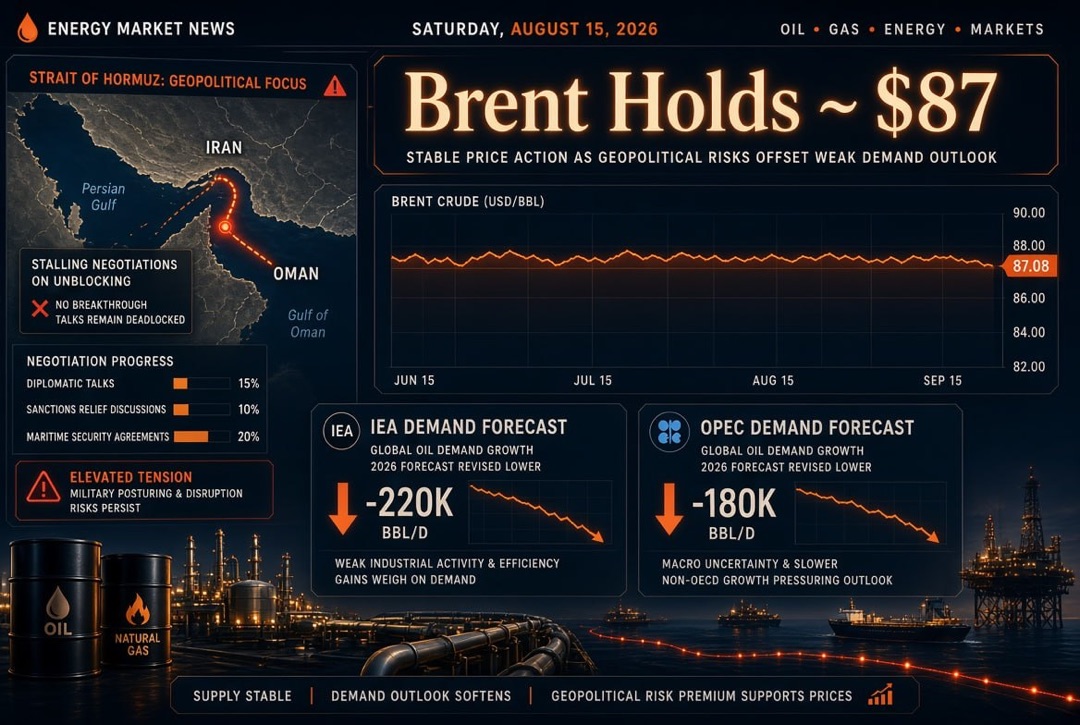
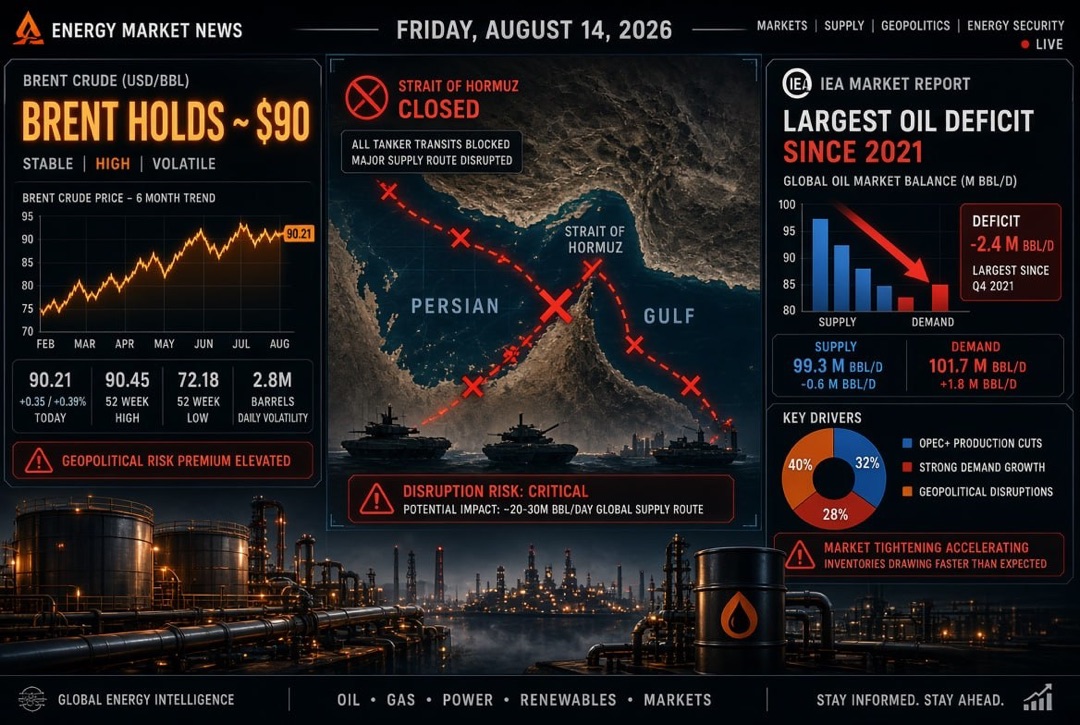
- The weekly EIA report on commercial oil inventories in the US will provide fresh insights into the balance of supply and demand in the energy market. In previous weeks, a reduction in inventories was observed amid a rebound in demand and supply constraints from OPEC+, supporting oil prices. If this time the data shows a significant outflow of inventories, oil quotes may gain additional upward momentum (intensifying global inflation expectations). Conversely, an unexpected increase in inventories could dampen the rally in the oil market. Traders and investors in the commodity sector are closely monitoring this indicator ahead of the year-end, when fuel demand is subject to seasonal fluctuations.
Corporate Reporting: Before Market Open (BMO, USA and Asia)
- Chewy (CHWY) - an American online pet supplies retailer, will report before the market opens. Focus areas include revenue growth and customer base dynamics in Q3, alongside trends in average transaction size and e-commerce margin under competitive pressure. Previous results showed double-digit sales growth (~9% YoY) and improved profitability; the market will be keen to see the continuation of this trend and hear the management's forecast for the holiday season. Strong metrics could support the company's stock and the online retail sector, while revenue growth slowdowns or lowered forecasts may heighten investor caution.
Corporate Reporting: After Market Close (AMC, USA)
- Oracle (ORCL) - a leading provider of enterprise software and cloud services, will report its Q2 results for FY 2026 after the US market closes. Investors will primarily focus on the dynamics of Oracle's cloud business (OCI - Oracle Cloud Infrastructure) and enterprise software sales. The company is banking on increased demand from AI projects while expanding its cloud portfolio. If the report confirms high growth rates for cloud services and profitability, Oracle's shares and those of other tech giants may gain momentum. Conversely, weak results or cautious guidance could trigger a correction, given the recent rise in tech sector stocks.
- Adobe (ADBE) - a market leader in software solutions (Creative Cloud, marketing solutions) will present results for Q4 FY 2025. Key metrics include growth in subscription revenue from cloud services (Creative Cloud, Document Cloud) and trends in the digital marketing segment. Amid advancements in generative AI technologies, investors will also expect comments on the integration of AI tools into Adobe's products and their impact on customer engagement. Confident revenue growth and optimistic guidance will bolster confidence in Adobe's business model, while demand slowdowns from corporate clients could raise concerns about the company's high valuations.
- Synopsys (SNPS) - a designer tool software provider, will report its financial results for 2025. The semiconductor sector is witnessing heightened demand for chips used in AI and automotive electronics, supporting Synopsys's order portfolio. Investors will evaluate revenue and profit growth, as well as new deals with chip manufacturers. Solid performance by Synopsys will confirm that companies in the sector are actively investing in R&D despite macroeconomic uncertainties, positively reflecting the entire high-tech segment. However, weak results could lead to adverse reactions given the high expectations from the IT sector.
- Nordson (NDSN) - an industrial engineering company (dispensing and coating systems) will publish its Q4 2025 report. Nordson's results will serve as a barometer for demand in manufacturing: its equipment is used in producing goods, packaging, and electronics. Analysts predict stable revenue or a slight decline amid slowing global industry, but improved operational efficiency could support margins. If profits exceed expectations due to cost-cutting, it would confirm the business's adaptability; weak sales, however, would indicate corporate clients' caution regarding expenditures.
Other Regions and Indices: Euro Stoxx 50, Nikkei 225, MOEX
- Euro Stoxx 50 (Europe): Among key companies in Europe reporting on December 10 are TUI (tourism holding) and Metro AG (retail/wholesale trade). While these releases are noteworthy, the overall sentiment in European markets will largely be determined by external factors – signals from the US Federal Reserve, commodity price dynamics, as well as comments from the UK and European central banks. The absence of surprises in corporate results and macro data will support the stability of the Euro Stoxx 50 index, while negative factors may increase volatility.
- Nikkei 225 (Asia): In Japan, the publication of financial results from major corporations is limited on this day (the main earnings season has concluded earlier), leading Asian investors to look for external news. At the same time, trading updates from Taiwanese tech giants TSMC and MediaTek, reporting November data reflecting global semiconductor demand, are noteworthy. Strong results from TSMC (revenue growth driven by demand for AI chips) will support positive sentiment in Asian markets, while weak sales dynamics could highlight persistent cyclical risks in the industry and weigh on the electronics sector.
- MOEX (Russia): Among Russian issuers on December 10, Aeroflot stands out, presenting its financial report under IFRS for the first nine months of 2025. It is expected that the results for the airline are influenced by the recovery in passenger traffic and exchange rate changes. If Aeroflot demonstrates a robust revenue and profit growth, it will enhance sentiment regarding the aviation sector and consumer stocks on the MOEX. Overall, however, activity in the Russian stock market may remain restrained in anticipation of key external events of the day (primarily the Federal Reserve's decision), which will determine global risk appetite for investors.
Day’s Summary: Key Points for Investors to Monitor
- 1) Fed Decision: The outcomes of the meeting and comments from J. Powell are the main trigger for the day across all markets. FOMC results will directly impact US Treasury yields, dollar exchange rates, and equity valuations (especially in the tech sector). Any deviation from expectations (e.g., more hawkish rhetoric or an unconventional rate decision) could induce sharp reactions across stock indices and currency rates.
- 2) Inflation Data: The publication of CPI figures in China, Russia, and Brazil will signal global pricing trends. Low inflation in China confirms the absence of price pressure and influences sentiment in commodity markets, while figures from Russia and Brazil will reflect how successfully these economies are taming price growth. It is crucial for investors to compare inflation trends in developed and emerging markets against the actions of their respective central banks and interest rate prospects.
- 3) Oil Factor: EIA oil inventory statistics have the potential to short-term shift energy prices, impacting stock prices of oil and gas companies and currencies of commodity-rich countries (CAD, RUB). Given the influence of oil prices on overall inflation, a sudden spike or drop in oil quotes post-EIA data could alter market expectations regarding the future policies of regulators.
- 4) Company Earnings: Financial results from giants like Oracle and Adobe, as well as from other reporting firms, could locally shift the balance of power across various industries. Strong reports from tech companies may redirect market focus from macro statistics to corporate stories, supporting growth in the Nasdaq and related sectors. However, disappointments in reporting (below-profit forecasts or weak outlooks) pose risks of sell-offs in relevant stocks even amid a positive external backdrop.
- 5) Day Volatility: Given the high density of events on December 10, investors should prepare for potential sharp movements in advance. It is advisable to determine key levels for your positions, use limit orders for entry/exit, and consider hedging part of the portfolio if necessary. This proactive approach to risk management will assist in navigating a day of rich news more confidently.