Overview of Economic Events and Corporate Reports for April 12, 2026, with a Focus on Earnings Season Preparation, the Oil Market, and Global Macroeconomic Trends
Sunday, April 12, 2026, may not present a heavy flow of macroeconomic statistics or widespread quarterly report publications; however, it represents a crucial recalibration point for investors ahead of a new week. Global markets are set to enter Monday after a period marked by heightened sensitivity to geopolitics, commodity prices, inflation expectations, and the initial results of the earnings season. For the global investment environment, this indicates that the primary task of the day is not to react to already released figures but to adequately prepare for the drivers that will start shaping asset movements within the next 24–72 hours.
For the CIS audience, it is particularly important to view developments not only through the lens of American indices but also within the broader global context: oil, the dollar, bond yields, bank earnings, the technology sector, European industry, Asian exports, and the overall dynamics of risk appetite. This interconnectedness currently dictates capital movement across global markets.
Today is classified as calendar-wise tranquil yet strategically significant. Sunday does not furnish investors with a large array of official statistics but allows for an assessment of the expectations with which the market will enter the new week. The three focus areas remain unchanged:
- Geopolitics and its effects on oil, inflation, and currencies;
- Preparation for a week filled with macroeconomic releases;
- The commencement of a full-fledged corporate earnings season in the U.S., Europe, and Asia.
Hence, April 12 should be regarded as a day for strategic portfolio calibration rather than a time for point trading on news noise.
Macroeconomic Background: A Sunday Without Overload, but High Contextual Significance
The main characteristic of the day is the limitation of economic events in the usual format. This shifts investors' focus towards already available data from the end of the previous week and expectations for the start of the next one. The market continues to digest inflation signals from the U.S., yield behavior, the state of the oil market, and the trajectory of global demand.
- For the currency market, the key relationship remains between the dollar, commodities, and rate expectations.
- For the stock market, stable demand for risk is crucial following a period of high volatility.
- For the commodity segment, the determining factor remains the balance between political news and expectations regarding oil supply.
From a practical perspective, this means that on Sunday, investors are not so much assessing new figures, but rather establishing priorities for Monday: which assets are more sensitive to oil, which sectors are more reliant on earnings reports, and where a sharp shift in sentiment may occur in the early sessions of the week.
Oil, Commodities, and Energy: Why the Market is Already Looking to Monday
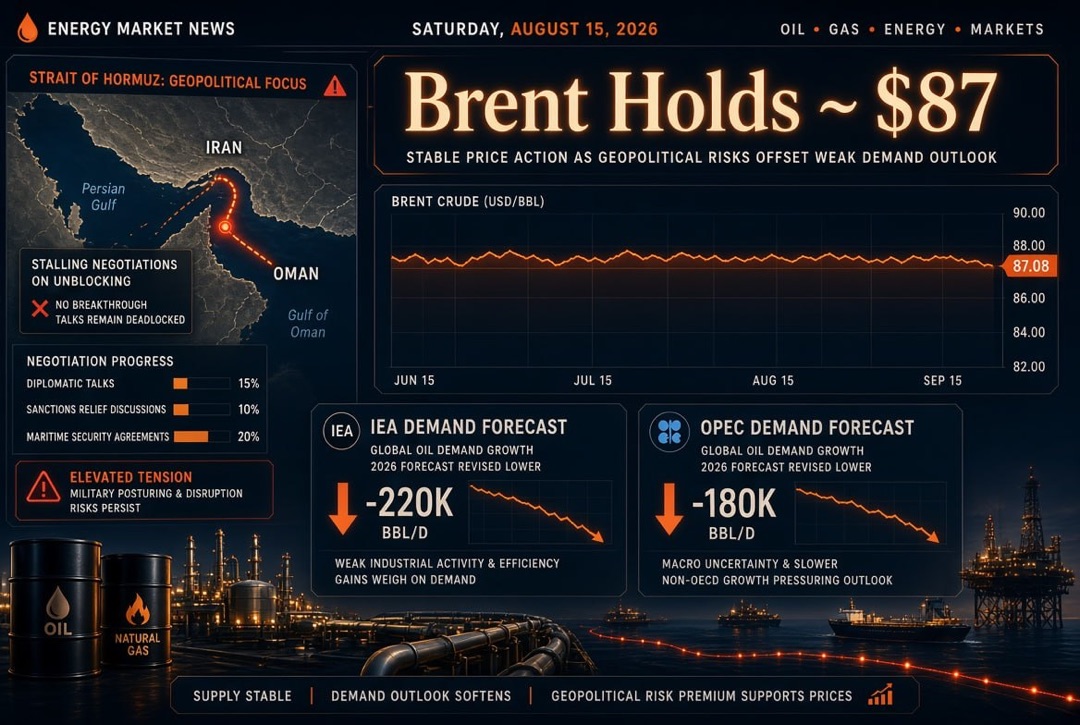
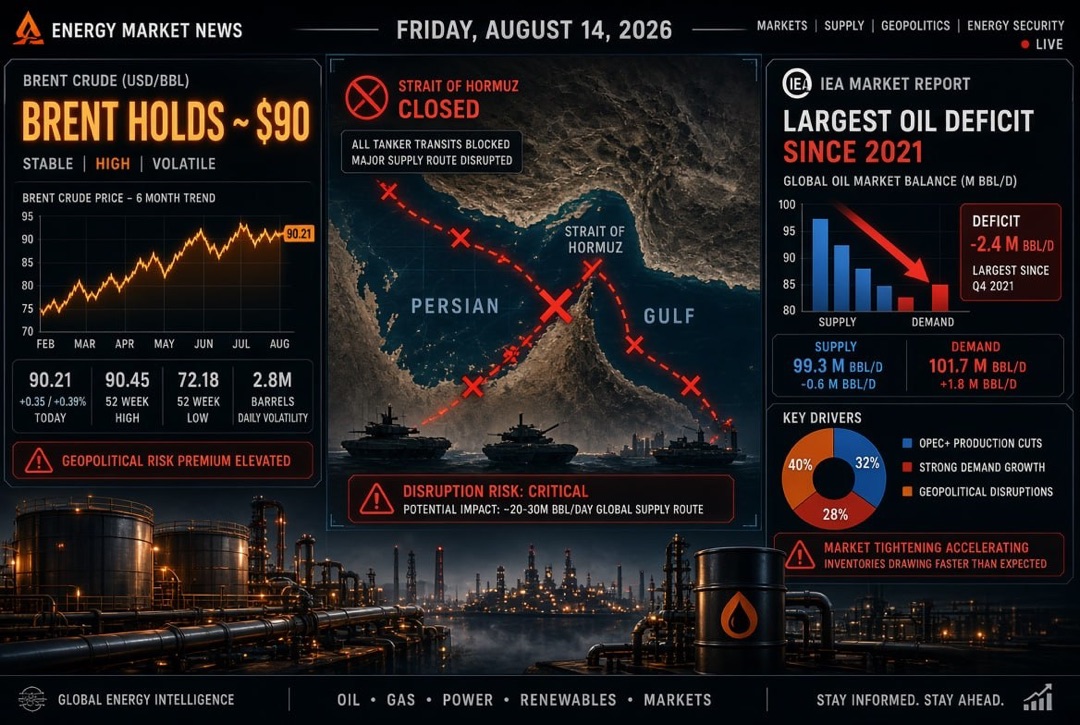
For the energy market, Sunday is particularly significant as an intermediary stage before the upcoming official signals. On Monday, April 13, the monthly OPEC report is expected, meaning market participants will preemptively revise their expectations concerning global demand, production, exports, and the overall supply balance. In light of recent spikes in commodity prices, the oil sector remains one of the most sensitive for the entire global landscape.
For investors, this means:
- Energy companies may retain increased volatility even in the absence of new statistics on Sunday;
- Fuel-consuming sectors, including transportation, industry, and part of the consumer segment, remain under cost pressure;
- Any changes in oil expectations quickly translate into inflation forecasts, bond prices, and currency rates.
Therefore, April 12 is a day when the oil market effectively trades on expectations for Monday, rather than on momentarily published figures.
IMF and World Bank: Kickoff of the Week Under the Sign of Global Economic Agenda
Another crucial factor is the upcoming Spring Meetings of the IMF and World Bank, commencing on April 13. For investors, this is not merely a diplomatic agenda but a source of benchmarks for global growth, debt burdens, financial stability, emerging markets, energy, and international capital flows.
In anticipation of such meetings, the market typically closely monitors:
- Rhetoric around global growth and inflation;
- Assessments of financial risks and the stability of the banking system;
- Signals related to emerging economies and commodity markets;
- Comments capable of influencing the dollar, bonds, and risk appetite.
For the CIS audience, this is especially important as the global environment directly affects capital costs, export markets, commodity quotations, and investor attitudes towards risk assets.
Corporate Reports in the U.S.: A Quiet Sunday, but a Tough Start to the Week
On the Sunday itself, there is no massive flow of reports from major American public companies; however, the upcoming week drastically alters the landscape. Therefore, when preparing for April 12, it makes sense to look not just at the date but also at the immediate horizon.
Among the biggest names shaping the agenda for the coming days in the U.S., investors highlight:
- JPMorgan Chase;
- Goldman Sachs;
- Bank of America;
- Wells Fargo;
- Citigroup;
- Morgan Stanley;
- BlackRock;
- Johnson & Johnson;
- Abbott Laboratories;
- PepsiCo;
- Netflix.
For the S&P 500 index, this marks a critically important phase. Banks will set the tone for the credit cycle, asset quality, and corporate demand. Johnson & Johnson and Abbott will provide insights into the resilience of the defensive segment. PepsiCo will demonstrate how consumers cope with price pressures. Netflix will remain a test for growth in the media technology space. Thus, even a quiet Sunday cannot be considered neutral: the market is already in a state of anticipation for significant corporate signals.
Europe: Earnings and Politics as Sources of Movement for Euro Stoxx 50
The European picture on April 12 is similarly constructed not around a busy Sunday calendar but around expectations for the week. For investors in European equities, both economic data and corporate reports from individual leaders are crucial. The market's focus will be on ASML, LVMH, Hermes, and BMW.
These companies are important for different reasons:
- ASML reflects the investment cycle in semiconductors and sensitivity to artificial intelligence issues;
- LVMH and Hermes serve as indicators of global demand in premium consumption;
- BMW provides insights into the state of Europe’s industrial and automotive segment.
Additionally, the European agenda will depend on trade and industrial data as well as political signals within the region. For the Euro Stoxx 50, this signifies maintaining a high sensitivity to export demand, the euro exchange rate, and energy dynamics.
Asia: China, Technology, and the Export Cycle
The Asian block appears to be one of the most eventful in the upcoming week, and for this reason, it should be integrated into the investor's strategy on Sunday. A significant volume of macroeconomic data is expected from China, including GDP, trade figures, industrial production, retail sales, and unemployment rates. For the global market, this represents one of the key tests of the strength of global demand.
Investors will also closely monitor the technology sector:
- TSMC remains a crucial guide for the semiconductor cycle;
- Asian exports affect the entire global tech sector;
- Nikkei 225 and associated exchanges will be sensitive to external demand and dollar dynamics.
Therefore, even if April 12 does not yield significant Asian statistics in the moment, Asia helps shape a substantial portion of expectations for the upcoming trading week.
Russia and MOEX: What CIS Investors Should Consider
For the Russian market, Sunday also appears to be a preparatory day. A dense collection of major public reports for this date does not appear, and significant corporate activity on MOEX in April is distributed around monthly trading updates and later financial publications. Thus, for investors from the CIS, the primary logic is to focus on the external backdrop: oil, the dollar, risk appetite, global yields, and sentiment in the U.S. and European banking sectors.
Practically, this means:
- Shares of commodity companies will primarily depend on the trajectory of oil and global demand;
- The financial sector will depend on rate movements, exchange rates, and external risk sentiment;
- The MOEX index will depend on a combination of commodity support and the overall willingness of investors to maintain risk.
For local investors, Sunday is not a day of reporting per se but rather a day for properly setting emphasis ahead of the opening of a new global week.
Conclusion of the Day: Key Points for Investors to Note
Sunday, April 12, 2026, does not provide the market with a massive news flow; however, this is where its value lies. It is a day when investors can evaluate the main drivers of the upcoming sessions without excessive noise and prepare their portfolios for capital movement across regions and sectors.
- First, it is crucial to monitor expectations ahead of the monthly OPEC report and the impact of oil prices on inflation.
- Second, the start of the Spring Meetings of the IMF and World Bank should be considered as a source of global benchmarks for the markets.
- Third, the earnings season is entering an active phase, and the U.S. banking sector will be the first serious test for the S&P 500.
- Fourth, Europe and Asia add their own points of tension through leader earnings and essential macro data.
- Fifth, for investors from the CIS, the global environment remains the main filter for assessing commodities, currencies, and stocks.
The key takeaway of the day is simple: April 12 is not a pause but a precursor to significant market movement. The best strategy remains disciplined preparation for a week where oil, banks, technology, China, and global politics will once again dictate market direction.