Global Financial Markets, June 13, 2026: Oil Market, Macroeconomic Events, Corporate Reporting, and Indices S&P 500, Euro Stoxx 50, Nikkei 225, MOEX
Saturday, June 13, 2026, serves as an analytical pause for global financial markets following a week filled with significant macroeconomic events. The major stock exchanges in the United States, Europe, Japan, and Russia are closed, and the corporate earnings calendar for large public companies is nearly empty. However, for investors, this does not imply a lack of meaningful signals. Attention is drawn to data released the day prior: consumer expectations in the U.S., inflation indicators from Europe and Asia, industrial statistics, drilling activity trends in the U.S., and the outcomes of the ECOFIN meeting, crucial for assessing the budgetary and financial policies of the European Union.
For investors in the CIS, the Saturday overview of economic events and corporate earnings is especially important as preparation for the upcoming trading week. It is during these days that the market reassesses macroeconomic risks, expectations regarding central bank rates, prospects for corporate profits, and geopolitical factors impacting stocks, bonds, currencies, commodities, and the Russian market.
Main Focus of the Day: Trading Pause and Reassessment of Global Risks
June 13 marks a holiday for most key stock markets. American indices such as the S&P 500 and Nasdaq, the European Euro Stoxx 50, the Japanese Nikkei 225, and the Russian market MOEX are not holding standard trading sessions. Consequently, investors' attention shifts from intraday price movements to analyzing data that will influence market openings on Monday.
Key topics of the day include:
- consumer sentiment and inflation expectations in the U.S.;
- signals from the industrial sectors of Japan, Germany, the UK, and the Eurozone;
- dynamics of Baker Hughes drilling activity in the U.S.;
- European budgetary agenda following the ECOFIN meeting;
- absence of major corporate earnings in Saturday's calendar;
- preparation for the new week, where investors will assess central bank decisions and fresh inflation data.
USA: Consumer Expectations and Inflation Risks Remain in the Spotlight
The United States continues to serve as a primary benchmark for the global market. Preliminary data from the University of Michigan on consumer sentiment for June was released the day before. The consumer confidence index, household expectations, and inflation forecasts are vital for evaluating future consumption, which remains one of the key drivers of the American economy.
If consumer sentiment deteriorates, investors typically price in a more cautious scenario regarding retail sales, bank lending, and corporate revenues from the consumer sector. If inflation expectations remain elevated, this strengthens arguments for a more hawkish stance from the Federal Reserve.
What Matters for the U.S. Market
- Strong consumption data supports stocks of retailers, banks, and technology companies;
- Elevated inflation expectations may pressure bonds and growth companies;
- Weak consumer confidence raises the risk of an economic slowdown;
- The reaction of U.S. Treasury yields is crucial for the S&P 500.
Europe: ECOFIN, Inflation, and Industry Shape the Political Landscape
The European agenda on June 13 is primarily focused on reassessing the outcomes of the meeting of the EU Economic and Financial Affairs Council (ECOFIN). For investors, ECOFIN is not a short-term market trigger but a source of signals regarding budget discipline, tax policy, financial regulation, capital market integration, and sustainability of public finances.
European assets remain sensitive to a combination of three factors: inflation, weak industrial dynamics, and budget constraints. Germany, France, Spain, and the Eurozone as a whole continue to release data that helps assess how quickly the European Central Bank can transition to a more accommodative monetary policy without the risk of rekindling inflation.
For Euro Stoxx 50, banks, industrial companies, luxury goods manufacturers, energy sectors, and exporters hold significant importance. The weaker the industrial statistics, the higher the risk of profit forecast downgrades for cyclical companies.
Asia: Japan and China Remain Indicators of the Industrial Cycle
The Asian data block is essential for assessing global demand, supply chains, and the prospects for commodity markets. Japan remains in focus due to industrial production, capacity utilization, and expectations regarding the Bank of Japan's policies. For the Nikkei 225, not only domestic macro statistics matter, but also the dynamics of the yen, bond yields, and export demand.
Chinese credit and monetary indicators also remain significant for investors. Trends in new lending, money supply, and total social financing help gauge how actively authorities support the economy through the banking sector. For commodity markets, industrial metals, the oil and gas sector, and emerging markets, this serves as a key demand indicator.
Russia and the MOEX Market: Focus on Rates, Ruble, and Commodity Landscape
For the Russian market, June 13 is also a day without standard corporate earnings reports from major issuers. Investors on the MOEX continue to evaluate the macroeconomic backdrop through several avenues: the trajectory of the Central Bank of Russia's key rate, inflationary pressures, the dynamics of the ruble, budget parameters, and oil prices.
Russian equities remain sensitive to rates, as high capital costs impact company valuations, dividend expectations, and the attractiveness of bonds compared to stocks. For the oil and gas sector, crucial factors include oil prices, export restrictions, discounts on Russian grades, and foreign currency revenues. For banks, the quality of the credit portfolio, margins, and demand for corporate loans are key considerations.
Commodity Markets: Oil, Gas, and U.S. Drilling Activity
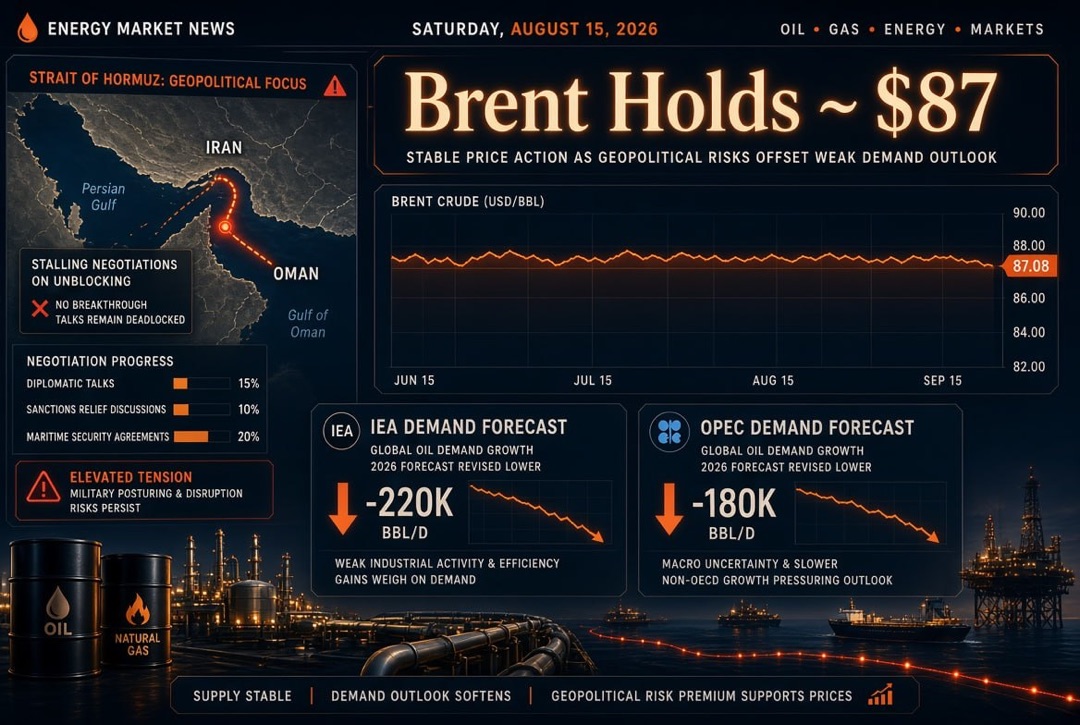
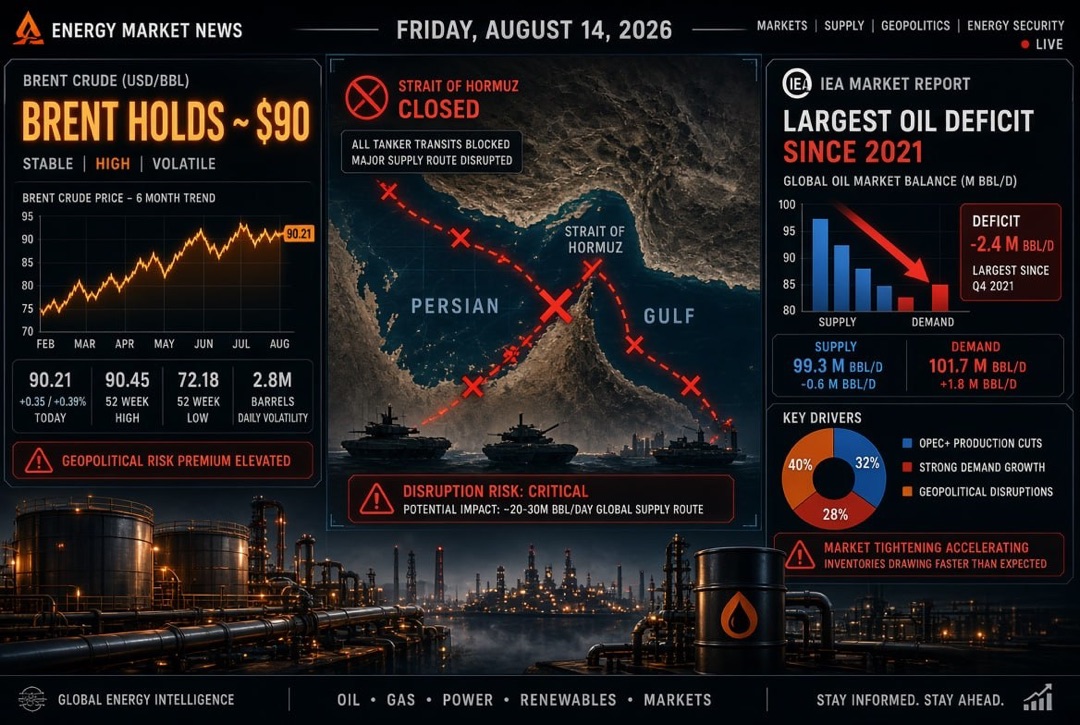
One significant indicator for the energy market remains the weekly Baker Hughes statistics on drilling rigs in the U.S. This data allows investors to gauge potential activity levels among American oil and gas producers. An increase in drilling counts may indicate future supply additions, while a decrease points to producer caution and stricter capital discipline.
For investors in the CIS, the commodity sector is particularly important, as oil, gas, petroleum products, coal, metals, and fertilizers directly impact export revenues, the currency market, budget receipts, and valuations of the largest public companies in the region.
As of June 13, the key commodity benchmarks are as follows:
- dynamics of Brent and WTI following Friday's trading;
- reaction of energy stocks to drilling activity data;
- China's demand for commodities and industrial metals;
- gas prices in Europe and storage levels;
- expectations for OPEC+ decisions and the export policies of producers.
Corporate Earnings: No Major Releases Expected on Saturday
The corporate earnings calendar for Saturday, June 13, 2026, does not contain significant releases from the largest companies in the S&P 500, Euro Stoxx 50, Nikkei 225, and MOEX. This is a standard situation for a weekend, as major public companies prefer to disclose financial results before market opens or after trading sessions close on weekdays.
Throughout the current week, investor attention has already been focused on specific corporate releases in the U.S. and Europe, including in the technology and industrial sectors. Following the earnings week, the market will assess not only actual profits but also management forecasts regarding revenue, margins, capital expenditures, demand for artificial intelligence, cloud infrastructure, industrial equipment, and consumer goods.
What Investors Should Note About Earnings
- there are no significant blocks of earnings from major public companies on Saturday;
- the main reactions to weekly reports will transition to Monday;
- forecasts on capital expenditures and margins are crucial for the technology sector;
- for industrial companies, orders, export demand, and financing costs are vital;
- for banks, credit risks, interest margins, and rate expectations are important.
Geoeconomic Context: The Global Environment Remains Heterogeneous
The global economy enters mid-June with a heterogeneous picture. The U.S. retains its role as the main benchmark for rates and risk appetite. Europe faces the challenge of balancing inflation, industrial slowdown, and budget discipline. Asia continues to be a key source of signals regarding production, trade, and demand for commodities. Russia and other CIS markets depend on a combination of commodity prices, rates, exchange rates, and foreign trade flows.
For SEO and investment analysis, the key topics of the day include economic events of June 13, 2026, corporate earnings for June 13, 2026, macroeconomic calendar, company reporting, S&P 500, Euro Stoxx 50, Nikkei 225, MOEX, inflation, central bank rates, oil, gas, dollar, ruble, and global markets.
What Investors Should Pay Attention To
Investors should utilize Saturday, June 13, 2026, as a day of preparation for the new trading week. The absence of significant corporate earnings does not diminish the importance of the macroeconomic backdrop: data on inflation expectations, consumer confidence, industry, and the commodity market will determine the initial sentiments on Monday.
Key takeaways for investors include:
- USA: monitor consumer expectations and their impact on Fed forecasts.
- Europe: evaluate the implications of ECOFIN, budgetary policy, and industrial statistics.
- Asia: consider signals from Japan and China regarding industrial cycles and commodity demand.
- Russia: observe the ruble, oil, the Central Bank of Russia's rate, and dividend expectations.
- Corporate Earnings: no major releases on Saturday, but reactions to weekly reports may carry over to Monday.
- Portfolio Strategy: maintain balance between quality stocks, bonds, currency diversification, and commodity assets.
Thus, the economic events and corporate reporting for Saturday, June 13, 2026, will create not a trading day but a strategic one for investors. The primary goal is to assess the data accumulated over the week, prepare for the opening of global markets, and pre-determine which sectors may benefit or suffer from changes in expectations regarding rates, inflation, commodities, and corporate profits.