What are you looking for:
The government prepares a stabilization plan for the fuel market
According to two sources familiar with the meeting's outcomes, the list of measures may include ensuring the import of motor fuels into Russia. The Ministry of Finance should adjust the damping mechanism on the fuel market so that the government can make payments under this mechanism when importing oil products.
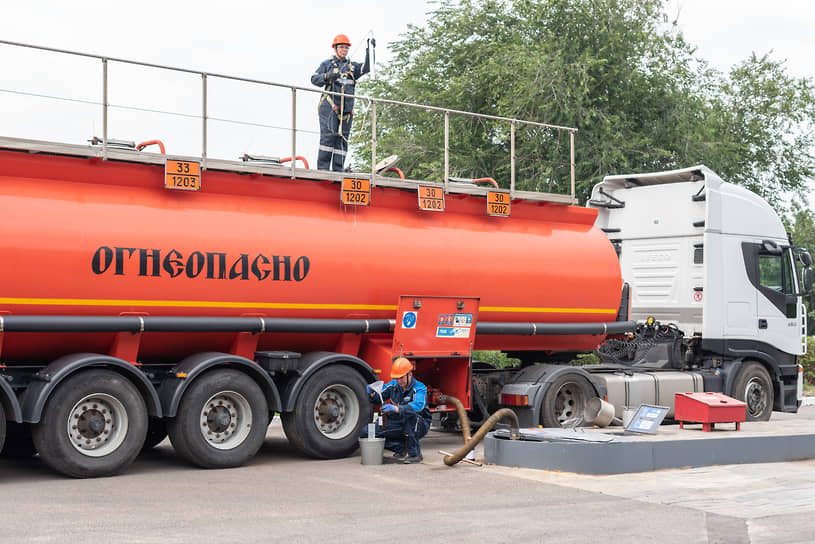
Currently, Russia imports gasoline and diesel fuel from Belarus. In October of last year, the Eurasian Economic Commission (EEC) council eliminated the import duty on gasoline, diesel, aviation, and marine fuel until June 30, 2026, which previously amounted to 5%. In early June of this year, Russia proposed extending the zero import duty for another year, until June 30, 2027.
Another initiative that may be included in the government's plan, according to the contacts of "Vedomosti," is the possibility of producing oil products in Russia with specifications that slightly deviate from existing technical regulations. "Kommersant" reported in mid-June that the government had allowed certain refineries to produce gasoline and diesel fuel that do not fully comply with the quality standards regarding sulfur content and other quality indicators.
One of the sources indicated that approximately one month may be needed to implement these initiatives. The plan will also include traditional measures, such as ensuring that oil companies prioritize fuel supplies to the domestic market and maximize the utilization of their production capacities.
Another aspect could be the temporary reduction of the sales norm for gasoline on the exchange from 15% to 10% of production volume from July 1 to September 30, 2026. An appropriate joint order project from the Federal Antimonopoly Service (FAS) and the Ministry of Energy has been posted on the federal portal of normative legal acts. The volumes not sold on the exchange are expected to be directed to support agricultural producers and other socially significant consumers, according to one source from "Vedomosti."
Additionally, the meeting presented the results of monitoring price formation in the domestic fuel market. The FAS reported on measures taken to prevent unjustified price increases for oil products and to curb violations of antimonopoly legislation.
Participants also reviewed the situation with fuel supplies to the regions and assessed the level of accumulated reserves. Representatives of oil companies reported on their efforts to saturate the domestic market with fuel, maintain stable pricing conditions, increase oil product production volumes, and introduce new production capacities.
Novak instructed the FAS to continue monitoring fuel prices continuously and to take necessary actions in a timely manner if required.
The fuel market stabilization plan should be prepared considering existing regulatory mechanisms, the government statement notes.
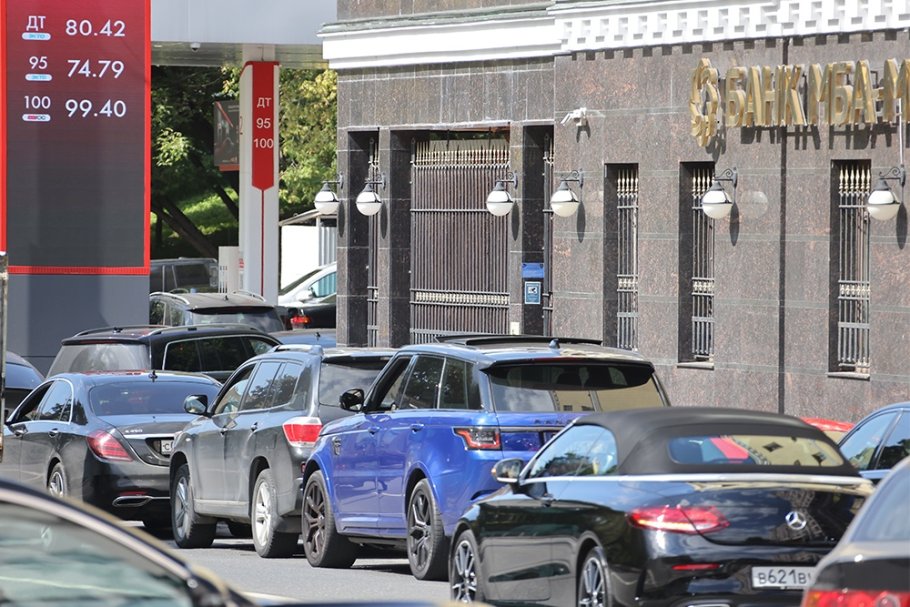
Payments under the damping mechanism for imported gasoline are a matter of maintaining internal market prices, rather than attracting supplies, as gasoline and diesel prices on external markets are significantly higher, explains Igor Yushkov, an expert at the Financial University under the Government of the Russian Federation. Otherwise, gasoline prices at independent gas stations will be tens of rubles higher, agrees analyst Sergey Kaufman from FГ "Finam."
However, subsidizing imports through the damping mechanism creates a dangerous precedent for financing foreign suppliers and could adversely affect Russian oil refining, suggests Dmitry Prokofyev, director for external communications at NEFT Research. The lowering of environmental standards in fuel production will have limited impact, believes Kaufman.
Regulators should consider centralized fuel procurement from abroad using funds from the reserve fund, which are allocated in the federal budget for emergency government purchases, argues Sergey Tereshkin, CEO of Open Oil Market. He also emphasizes the importance of maintaining the current fuel supply standards to the exchange to improve the situation for independent gas stations.
“All administrative measures that could help have already been implemented,” Kaufman reasons. It remains to either increase imports or restore production by preventing new attacks on refineries.
"Vedomosti" sent inquiries to the Ministry of Energy, Ministry of Finance, and the FAS.
Source: Vedomosti