Eight OPEC+ countries have raised the oil production ceiling for May by 206,000 b/d, as reported by the organization following a meeting on April 5. This adjustment is in line with the increase made in April. Similar to the previous month, quotas for Russia and Saudi Arabia have been increased by 62,000 b/d for each. For Russia, the maximum oil production level for May is set at 9.69 million b/d, while for Saudi Arabia, it is at 10.22 million b/d. Quotas for Iraq, the UAE, Kuwait, Kazakhstan, Algeria, and Oman have also been raised by the same amount as in April.
OPEC+ noted that it will continue to assess market conditions, emphasizing the importance of a cautious approach to quota adjustments. Additionally, the alliance expressed concern over attacks on energy infrastructure, stating that the restoration of damaged facilities would be a costly and lengthy process. Any actions undermining energy supply security, whether attacks on infrastructure or disruptions in international maritime logistics, increase market volatility, according to the OPEC+ statement. The next meeting of the alliance is scheduled for May 3, 2026.
OPEC+ has maintained the pace of quota increases amid disruptions to oil supply due to the military conflict in the Middle East. According to Kpler, during the first three weeks of military actions, crude supply has decreased by over 130 million barrels. By the end of March, total losses could exceed 250 million barrels, and by the end of April, could reach 600 million barrels if supplies do not resume.
Sergey Tereshkin, CEO of Open Oil Market, points out that leading oil-producing countries in the Middle East cannot ensure a sharp increase in supply "here and now." Therefore, he states, OPEC+ countries have made an "intermediate" decision to raise quotas to a realistic level for the market, which can be met should the situation with shipping in the Strait of Hormuz improve. This means maintaining the status quo for the market: the Brent price is likely to hover around $110 per barrel. After the acute phase of the conflict concludes, alliance countries will be able to increase supply without exceeding quotas, Tereshkin continues.
Andrey Polishchuk, senior analyst in the oil and gas sector at Euler, indicates that more radical steps could lead to oversupply following the normalization of the situation in the Strait of Hormuz. Igor Yushkov, an expert at the Financial University under the Government of the Russian Federation, adds that OPEC+'s decision to increase quotas amidst the inability of many Gulf countries to fully utilize them reflects the alliance's desire to demonstrate control over the situation. However, he notes that the longer the conflict continues, the more damage the region's oil infrastructure incurs, raising questions about how much crude countries will be able to export once the Strait of Hormuz reopens.
Nevertheless, Kirill Bakhtin, head of the Russian Stocks Analytics Center at BCS World of Investments, believes that the prospects for increasing production are good due to rising oil prices since February and assuming that the recent damage from attacks on the ports of the Leningrad region was minimal. "Increasing production will help attract additional revenue for both companies and the Ministry of Finance. However, much will depend on the uninterrupted shipment of oil from key export ports," notes Sergey Tereshkin.
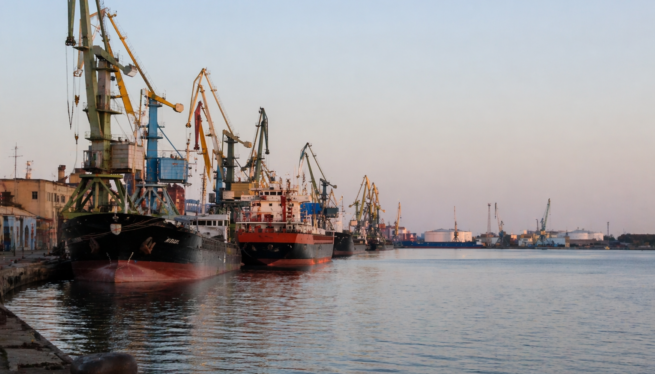
According to S&P Global Commodities at Sea, in the last week of March, Russia reduced its maritime oil exports from Ust-Luga by 4.5 times, down to 105,000 b/d, and from Primorsk by one-third, to 730,000 b/d. The total shipments for the month dropped by less than 1% compared to February, amounting to 3.46 million b/d.
Source: Kommersant