The agreements will regulate the volumes of motor fuel supply for the domestic market and retail prices for gasoline and diesel in 2026, taking into account the expected level of inflation, according to a government statement. The decision is aimed at maintaining sufficient fuel volumes in the domestic market during the traditional seasonal demand increase and the agricultural fieldwork period.
In essence, the goal of these agreements is to eliminate any hint of fuel shortages in the country and to limit the increase in retail prices. Currently, the volumes supplied to the domestic market are determined directly by exchange norms and indirectly by export bans. Regarding retail prices at gas stations, it was previously mentioned that they should not rise above inflation, but this has not been officially documented. Government agreements with oil companies concerning the fuel market have existed before. However, they were typically in the form of gentlemen's agreements rather than official documents. The main distinction of the new agreements is that they are expected to officially enshrine both the ranges of price increases for gasoline and diesel and the necessary volumes of various types of fuel supplied to the domestic market. Now, these agreements just need to be finalized, and the very notion of "agreements" implies that a compromise should be reached between the government and oil companies, indicating mutual benefits for the parties involved.
The purpose of the agreements is to reduce the risk of fuel shortages in the country and to contain the rise in retail prices.However, there is also the possibility that companies may attempt to set the facts in motion, justifying such decisions by political necessity. Currently, the fuel market is influenced on one side by the Middle Eastern conflict, which is driving up prices for oil and oil products, and on the other by unplanned repairs at our oil refineries, related both to drone strikes and difficulties in equipment supplies due to sanctions.
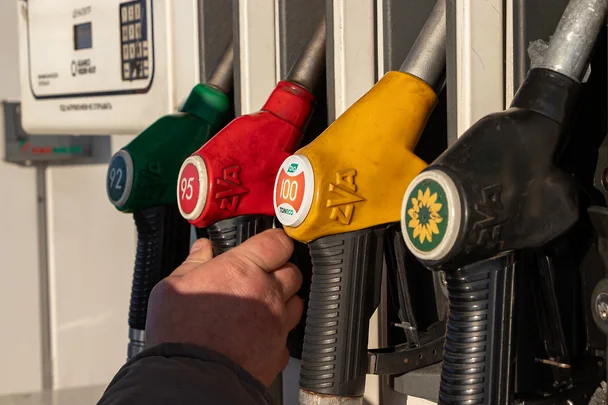
Exchange quotations for gasoline and diesel are far from historical highs, but they have increased by 21% and 23% respectively since the beginning of the year. The increase at the retail level is more modest, as prices are under strict control from the Ministry of Energy and FAS. However, for gasoline, the price increase exceeds the inflation level. According to Rosstat, by April 27, the price for AI-92 gasoline had risen by 3.7% while inflation was at 3.2%.
There are, therefore, grounds for stringent decisions. As noted in a conversation with "RG" by Dmitry Prokofyev, Director of External Communications at NEFT Research, this represents a qualitatively different level of intervention. The soft arrangements of the past, often interpreted by oil companies as "recommendations," are being replaced by legally signed agreements with clear parameters. This is no longer a gentlemen's agreement, but a full-fledged contract with a set of direct obligations and, importantly, reciprocal proposals from the government. It indicates a shift towards direct manual management of the industry, as the expert suggests.
This paradigm is also consistent with the government's decision not to extend the moratorium on the zeroing of the dampener for oil companies. The dampener is a partial compensation to oil companies from the budget for supplying fuel to the domestic market at prices below export levels. The size of these payments is calculated based on the difference between the export price of fuel and the indicative domestic price, which is set legislatively. The dampener is reset to zero if the quotations for AI-92 gasoline on the St. Petersburg exchange exceed the indicative price by 20%, and for diesel fuel by 30%. Since October 1 of last year, this rule's action was suspended as a measure to assist oil companies due to the tightening of US sanctions. However, from May 1 of this year, the rule on zeroing the dampener has resumed.
According to energy expert Kirill Rodionov, in general, the abolition of the moratorium eliminates the "ambiguity" in regulating the fuel market, where export bans were supposed to encourage oil companies to restrain exchange prices, while payments under the dampener did not account for their actual dynamics.
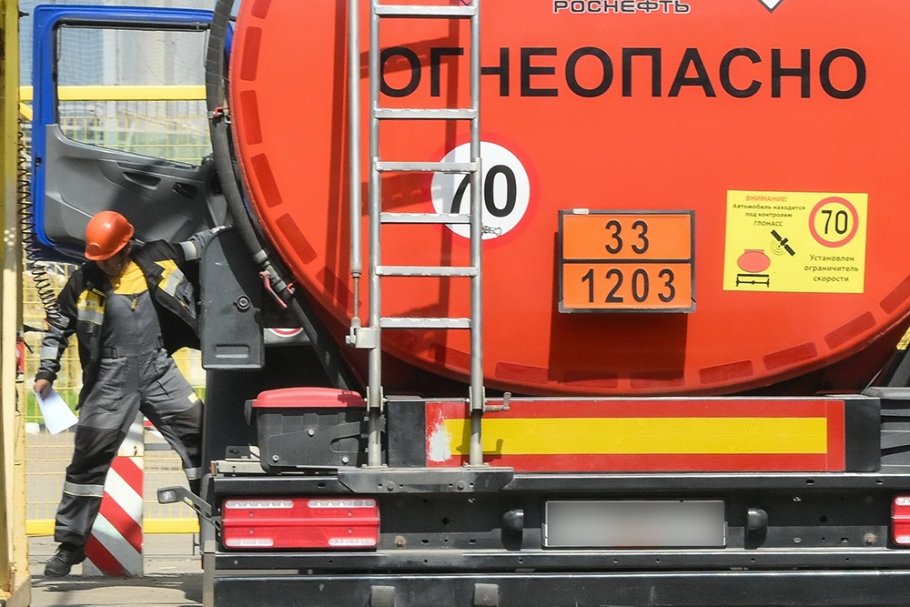
Experts believe that the measures being taken will help avoid a significant increase in prices at gas stations during periods of high demand.Returning to the agreements, Prokofyev notes that the new mechanism represents a direct administrative contract. The Ministry of Energy has obtained the right to impose specific quotas on fuel supplies for the domestic market (from the total refining volume), while FAS will monitor their implementation.
Obligations should not be one-sided, insists Dmitry Gusev, Deputy Chairman of the Supervisory Board of the Association "Reliable Partner" and member of the Expert Council for the "Gas Stations of Russia" competition. If there is an obligation to supply a certain amount of fuel to the domestic market, there must be obligations for someone to buy it. Oil companies also need to be given some advantages, he believes.
As Prokofyev points out, the government cannot directly order refineries how much and to whom to sell, but it has created conditions that are extremely difficult to refuse, according to the expert. Companies, in exchange for a guarantee of stable sales and a predictable price level, receive some preferences from the government. In return, the Ministry of Energy sets minimum indicative parameters (quotas) for each plant for the shipment of gasoline and diesel to the domestic market. Essentially, this is a market negotiation, but the government is sitting at the negotiating table.
However, our primary concern is whether the new mechanism will help constrain the rise in prices at gas stations. Gusev believes that large gas station networks, especially state-owned companies, will keep prices in check. However, he expresses significant doubts regarding private companies. He emphasizes that it is crucial to control not merely fuel prices, which do not rise without reason, but to establish an energy-efficient fuel policy.
From the perspective of Sergey Tereshkin, General Director of Open Oil Market, the increase in retail prices for gasoline will likely exceed the "inflation minus" threshold, whereas in the diesel segment, this rule should be upheld—at least until autumn. Overall, industry regulation heavily relies on "gentlemen's" agreements, which can only provide a temporary solution: the issue of rising prices will inevitably require new negotiations. This is a series that will repeat time and again.
Prokofyev shares a similar opinion. The effect is likely to be temporary. Such fuel agreements operate more like an immediate remedy: they alleviate acute pain but do not cure a chronic disease. In the long run, this only exacerbates imbalances, making oil refining even more dependent on administrative infusions and ultimately hollowing out market incentives for increasing efficiency. It is much more profitable for companies to receive guarantees of domestic sales at a fixed price than to invest in modernization to compete for a place in the competitive export market. This is less an economic measure than a political compromise to smooth out peak loads during the season. It will provide a respite but will not permanently resolve the structural problem. The government and oil companies have found a way to patch the hole in the summer fuel balance at the price of mutual concessions. However, this model, if it becomes permanent in the long term, will simply increase the budget's dependency on manual sector management. In circumstances where stability holds more importance than efficiency, this choice seems logical, but it certainly does not address the systemic issue of rising fuel prices.
Source: RG.RU