Ban on Gasoline Exports from Russia to be Extended until Year-End
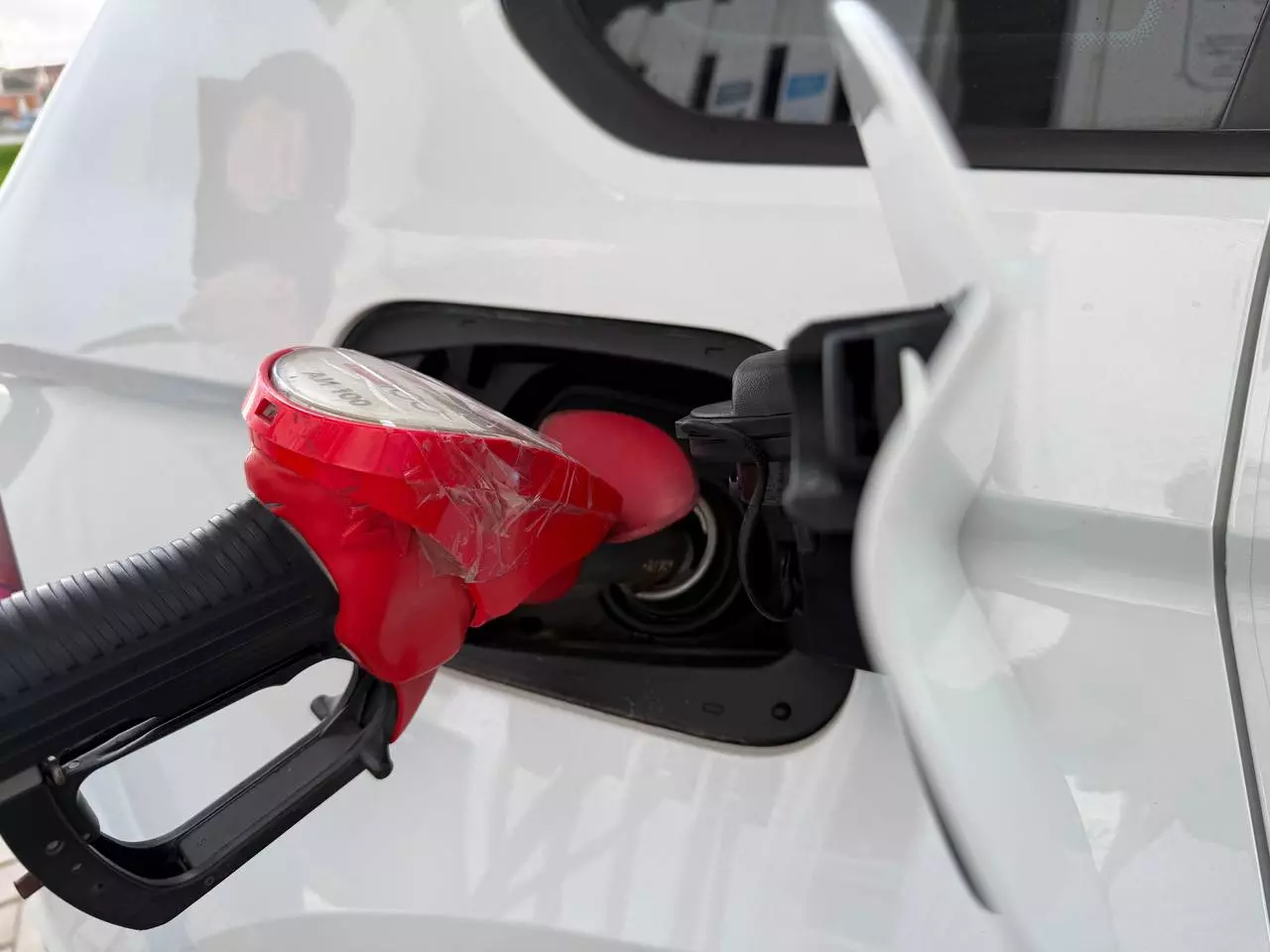
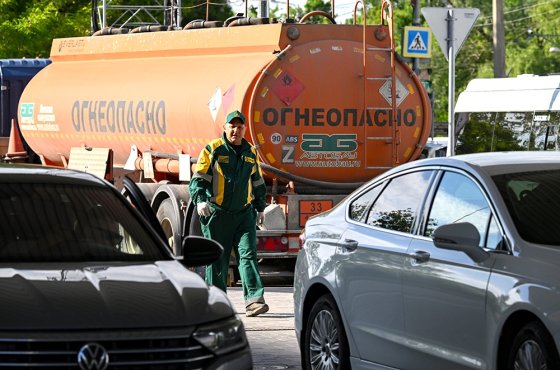
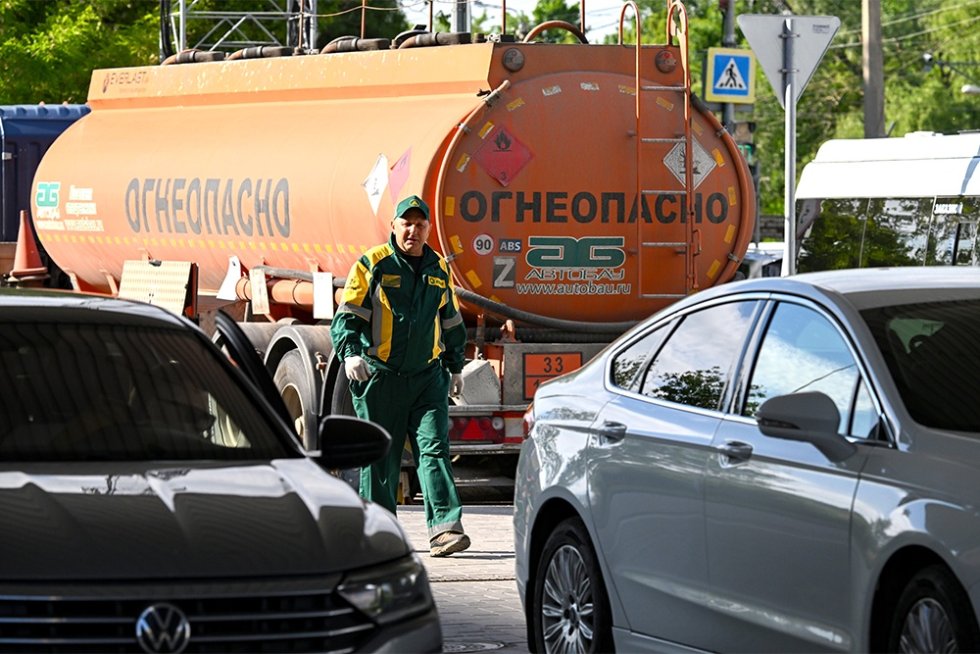
The government plans to extend the ban on gasoline exports, including for producers, until the end of the year. Restrictions on diesel fuel exports may be lifted sooner, as the market recovers. In the current situation, exports could exacerbate the fuel shortage in the domestic market; however, experts believe that the ban on overseas sales does not address the issues of fuel delivery to remote regions of Russia.
The ban on gasoline exports from Russia will be extended until the end of the year, including for oil refineries, Vice Prime Minister Alexander Novak announced on July 25. According to him, the restrictions on diesel fuel exports are planned to be lifted "as the market recovers." Mr. Novak noted that the possibility of diesel fuel exports is crucial to ensure the full utilization of refineries and to prevent oversupply. Currently, the ban on gasoline and diesel fuel exports is in effect until July 31. The restrictions do not apply to fuel supplied under intergovernmental agreements.
A complete ban on gasoline exports was introduced in Russia on August 31, 2025, due to a sharp rise in wholesale and retail fuel prices. At the end of January, the government lifted the embargo for refineries to prevent an overload of capacities, while the measure was maintained for other market participants until July 31. As of April 1, the ban was once again applied to refineries. Diesel fuel exports for producers have been prohibited since July 8.
According to Kpler, Russia's oil refining volume in June fell to 4.1 million barrels per day due to attacks on refineries, marking a low point in recent years. As Alexander Novak stated on July 21, the measures taken, including the export ban on petroleum products, market saturation through imports, and the postponement of refinery repairs, have led to partial market stabilization and the lifting of restrictions on sales in certain regions. However, as sources noted to “Ъ,” gasoline reserves in Russia may have dropped to less than 1.5 million tons. According to the Ministry of Energy, which President Vladimir Putin cited at the end of June, gasoline reserves have decreased by 4% year-on-year, reaching 1.7 million tons.
Sergey Tereshkin, CEO of Open Oil Market, states that the extension of the gasoline export ban was fully expected given the risks of shortages in the fuel market.
"The ban is already perceived as the norm since similar restrictions were often implemented even before 2026," he adds. According to the analyst, in previous years, exports accounted for only 10-15% of gasoline production, while for diesel fuel this share reached up to 50%. Therefore, the ban on diesel fuel exports is a significantly more sensitive measure for oil producers than the ban on gasoline. It is evident that by the end of July, neither production nor logistics had recovered sufficiently to lift these restrictions, notes Dmitry Prokofyev, Director of External Communications at NEFT Research. He states that until production rebounds, any gasoline exports would exacerbate the domestic shortage.
Dmitry Peskov, the press secretary for the President of Russia, commented on July 22 via "Prime":
"The situation in the fuel market still requires special attention."
According to Sergey Tereshkin, the "diesel" ban may possibly be lifted in the fourth quarter, following the completion of agricultural work. However, the dynamics of unscheduled repairs at refineries will play a crucial role, emphasizes the expert. Market participants predict a suspension of diesel fuel exports from Russia until year-end, as stated in an S&P Global review.
As Dmitry Prokofyev notes, the extension of the ban until the end of the year means that the gasoline market will remain under administrative regulation at least until 2027.
The export alternative for producers is turned off, and prices in the domestic market will be determined not by global quotations but by internal decisions, he explains. The expert adds that extending the ban does not solve the logistical problem—it only guarantees that the fuel produced does not leave the country but does not ensure its delivery to remote regions. As noted in the protocols of meetings with Alexander Novak (available to “Ъ”), a tense situation persists, particularly in Siberia and the Far East.
Source: Kommersant