What are you looking for:
Since early May, drones have been regularly attacking Russian oil refineries
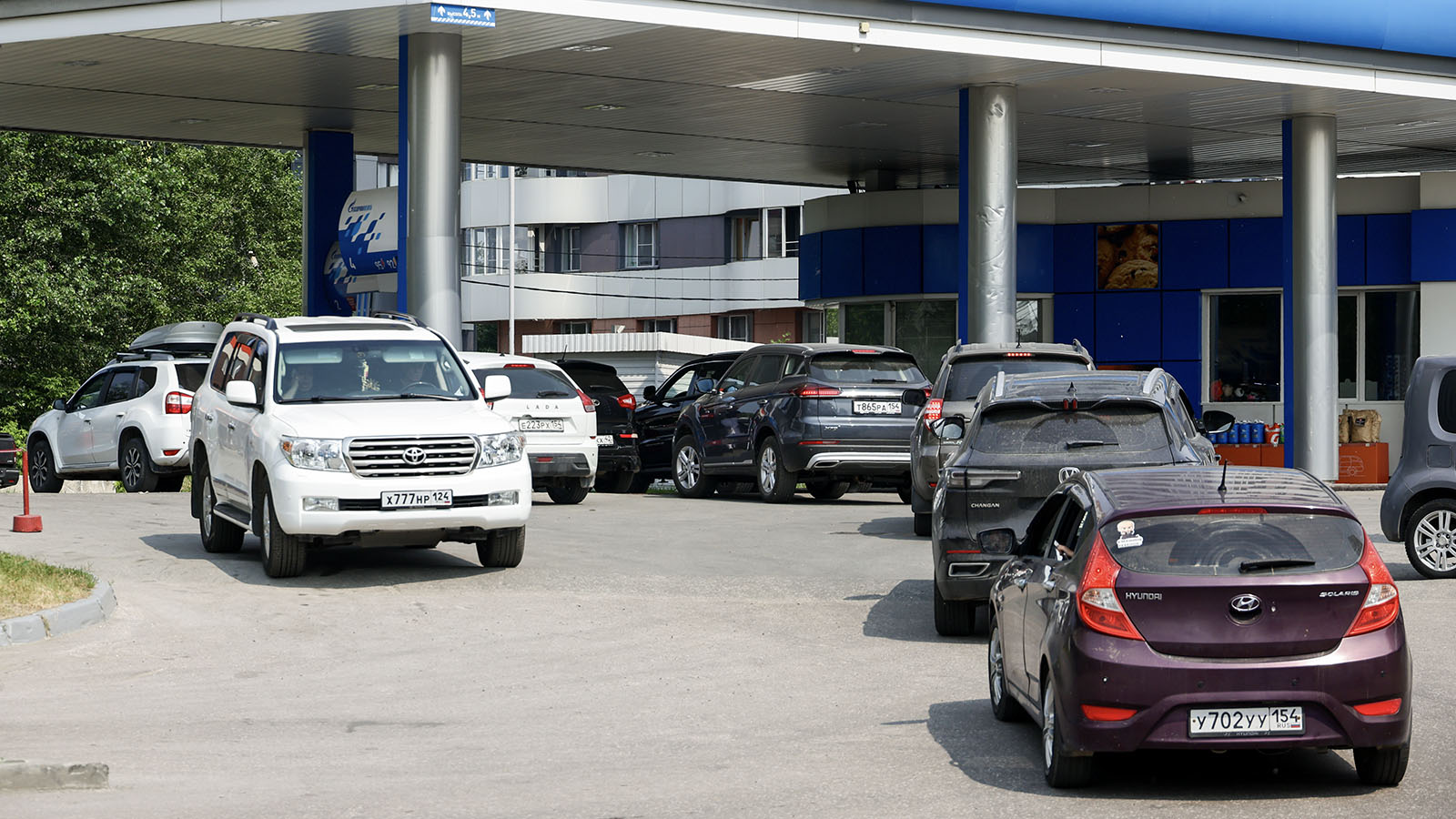
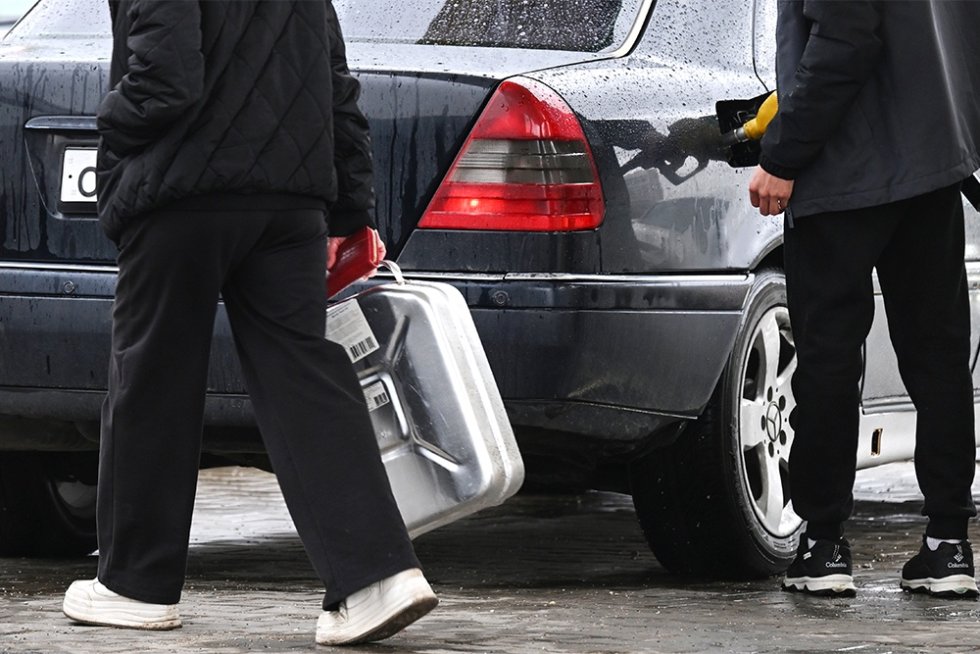
Experts, however, do not consider the situation to be critical. The attacks do not equate to a shutdown of the refineries—the damage is expected to be remedied within one to fourteen days. "The market is reacting not to a physical shortage but to the risks of such a shortage," states Sergey Tereshkin, CEO of Open Oil Market, comparing the current events to the rise in oil prices prior to the onset of the Middle Eastern crisis. In light of fuel shortages in certain regions, Belarus is prepared to supply over 200,000 tons of gasoline per month free of tariffs. The Ministry of Energy asserts the market remains stable, and Novak has held an emergency meeting.
Forbes has investigated why a gasoline shortage is emerging on the exchange, though not at gas stations, how long it typically takes to restore damaged refineries, and how Belarus can assist.
?: Fire at the Tuapse Oil Refinery, April 16, 2026 (Photo: Maxar / Getty Images)