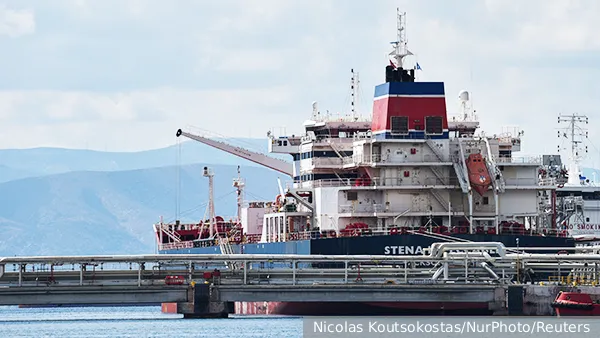
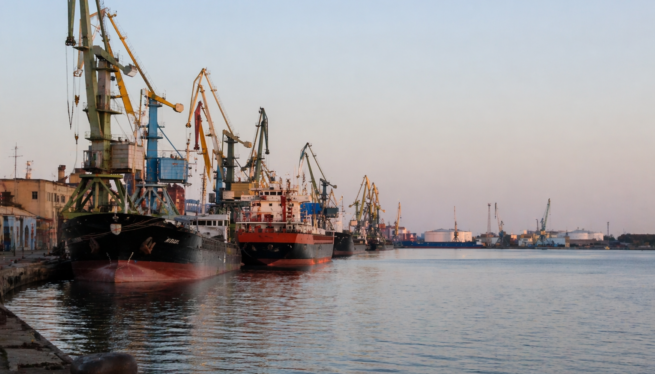
In March, Russia increased diesel fuel exports from Baltic ports by 22% compared to February and by 34% compared to March 2025, reaching 1.78 million tons, according to a review from the Center for Price Indices (CPI), which RBC has reviewed. The majority, about 1.16 million tons, was shipped from the less impacted Primorsk port. The Ust-Luga port exported 400 thousand tons, which represents an 80% increase compared to the previous month and a 100% increase year-on-year.
However, a series of incidents in the Primorsk and Ust-Luga ports complicated petroleum product exports as of March 25. This situation compounds the existing ban on gasoline exports and could lead to a decrease in external deliveries of petroleum products, including diesel, according to CPI analysts.
At the end of March and beginning of April, drones attacked the Ust-Luga port several times. One of the attacks occurred on the night of March 31. According to the Governor of Leningrad Region, Alexander Drozdenko, three people were injured as a result of the attack, and homes and facilities in the settlement of Molodtsovo were damaged.
Earlier, on the night of March 23, the Primorsk port in the Leningrad region was subjected to a drone attack, which ignited storage tanks containing petroleum products. The resulting fire was localized two days later, on March 25. At that time, regional authorities reported that specialists did not detect any exceedances of the permissible concentrations of hazardous substances.
Dmitry Peskov, the press secretary of the President of Russia, noted that necessary measures are being taken to protect critical infrastructure objects, including the Ust-Luga port in the Leningrad region. He emphasized, however, that protection efforts cannot eliminate the risk of attacks on these sites.
Additionally, a contradictory situation has arisen in the petroleum product transportation market. On one hand, global freight rates have been rising vigorously, and incidents in the Baltic ports have heightened risks for carriers, which was expected to lead to significant freight cost increases, according to the CPI review. However, between March 23 and March 29, rates remained nearly stagnant (fluctuating between -$1 and +$3 per ton) due to oversupply in tonnage. In the middle of the month, a significant influx of light petroleum product volumes arrived in the Baltic, while the incidents created a cargo base shortage due to partial terminal shutdowns. As a result, carriers were forced to lower rates to secure additional loads in the region.
Why Exports Increased in March
Experts interviewed by RBC noted that the rise in diesel fuel supplies from Russia in March was due to the blockade of the Strait of Hormuz, which removed a significant portion of Middle Eastern petroleum products from the market. Fears of fuel shortages led consumers to deplete storage inventories, stated Sergey Tereshkin, CEO of the petroleum products marketplace Open Oil Market. For instance, commercial stocks at the Fujairah port in the UAE (the key logistics hub for the entire Middle East) decreased by 36% between March 2 and March 30, down to 13.3 million barrels of petroleum products.
Until 2022, Russia was one of the largest suppliers of diesel fuel to the European market, and subsequently, Russian diesel began to be re-exported to the EU through Turkey. Likely, transit supplies have intensified amid the ongoing crisis and diesel shortage risks in several European countries, according to Tereshkin.
Independent energy expert Kirill Rodionov mentioned that Egypt has also engaged in re-exporting Russian petroleum products to the European market since 2025. However, since the onset of the conflict in the Middle East, direct exports of fuel from Russia have also been rising. Importers, facing the risk of shortages and supply disruptions from Gulf countries, have stopped fearing secondary sanctions from the United States. "They understand that the priority for the Trump administration is to mitigate risks of rising prices amid transit issues in the Middle East, which is why Washington has eased monitoring of sanctions compliance against Russia," the expert said.
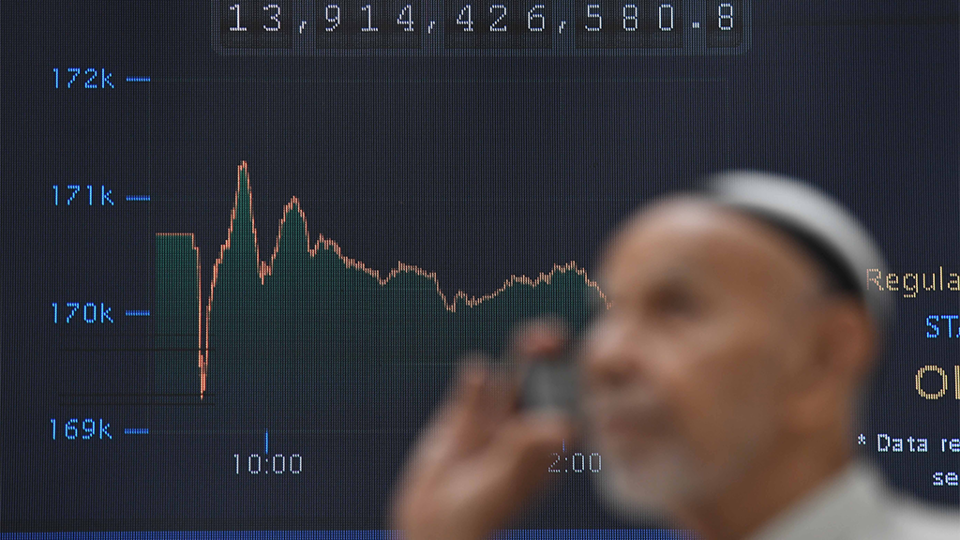
As noted by Dmitry Kasatkin, managing partner of Kasatkin Consulting, the demand for petroleum products is at its highest since 2022. The closure of the Strait of Hormuz has created a diesel shortage in Europe and South Asia, and its wholesale price in Frankfurt has approached the record levels of May 2022. "The temporary easing of sanctions has further broadened the buyer base, with the discount on Russian diesel to European benchmarks narrowing to a minimum. However, the ability to meet this demand is limited: incidents at Baltic terminals are reducing export opportunities at the most inconvenient moment for the global market," the expert stated.
The United States has temporarily exempted the sale of Russian oil and petroleum products loaded onto vessels by March 12 from sanctions. This license is valid until April 11 and does not apply to transactions related to Iran.
Where Volumes Can Be Redirected
The volumes of diesel fuel lost due to incidents in the Baltic ports, as noted by CPI, can potentially be replaced by supplies through the Big Port of St. Petersburg and the Vysotsk port, which have a combined throughput capacity of over 400 thousand tons. At the same time, considering the incident at the Kirishi Oil Refinery, there is no urgent need to replace export capacities in Primorsk.
If the infrastructure in Primorsk and Ust-Luga is not quickly restored to sufficient capacity, diesel fuel exports through Baltic ports in April could decrease by 30-50% compared to March, believes Kasatkin. Petroleum products arrive at these ports through pipelines, making it physically impossible to quickly redirect volumes to other routes, he explained.
Switching to Novorossiysk or Taman would require rail transportation (the distance exceeds 2 thousand km). This significantly increases costs and is limited by the capacity of Russian Railways. According to the expert's estimates, it is realistic to redistribute no more than 15-20% of the lost volumes. Some petroleum products will shift to the domestic market, which may exert pressure on wholesale diesel prices within the country.
Source: RBC