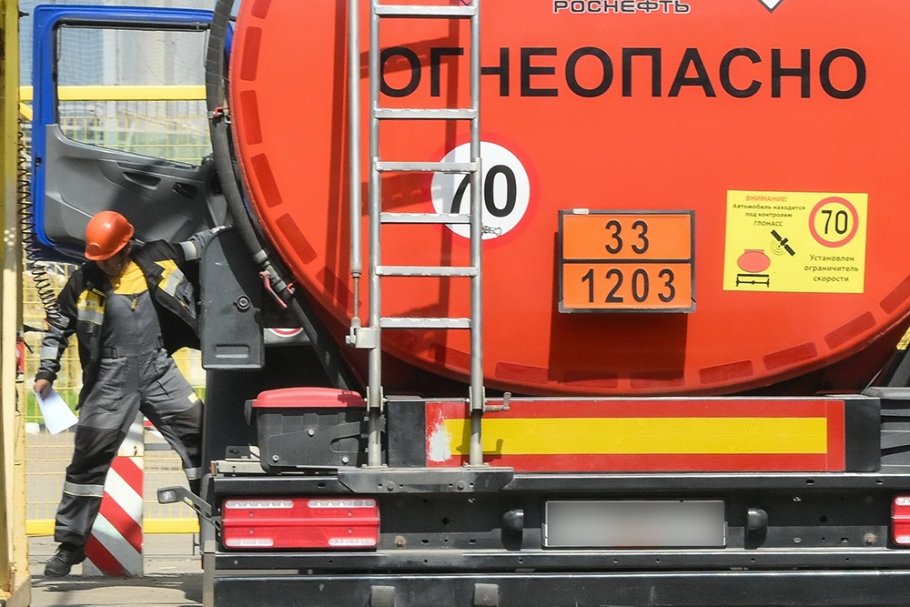
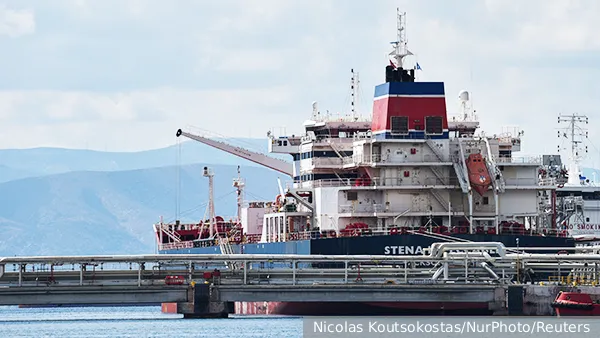
YEREVAN, April 14 – Sputnik. The rise in global oil and petroleum product prices, influenced by the conflict in the Middle East, creates a backdrop for increasing prices of Russian gasoline and diesel exported to EAEU countries, including Armenia. This was stated by Sergey Tereshkin, founder of the Open Oil Market business platform (a marketplace for trading petroleum products and other raw materials), in a comment to Sputnik Armenia.
The increase in prices for Russian petroleum products is somewhat linked to events in the Middle East, but the main reason lies elsewhere: Russian producers want to compensate for the payments they made to the budget in recent months under the so-called damping mechanism.
What is this mechanism?
The mechanism works as follows: if export prices for oil and petroleum products exceed domestic Russian prices, the Russian government pays compensation (a price dampener) to the industry to prevent excessive export of petroleum products at the expense of domestic market needs. Conversely, if the situation is reversed (domestic prices are higher than foreign ones), oil companies make payments to the budget themselves to ensure that the payment mechanism is mutual, rather than unilateral.In the early months of 2026 (prior to the onset of the conflict in the Middle East), due to a new wave of Western sanctions against the Russian oil sector, Urals and other Russian oil brands traded significantly cheaper on global markets than the global benchmark (Brent crude). The discount became so substantial that in January-February, conditions for the Russian oil business were more favorable in the domestic market than abroad. As a result, for the first time in five years, the Russian oil industry was not receiving but paying money through the dampener into the budget, amounting to approximately 30 billion rubles.
What does this have to do with Armenia?
"The necessity to 'recoup' these losses will drive producers to raise prices for gasoline and diesel when exporting to EAEU countries," noted Tereshkin.
Exports to the EAEU will remain the "window" through which oil producers will seek to "collect" revenues, especially considering that until July 31, export outside the EAEU is prohibited (which means competition in the Russian market will intensify, reducing profitability).The share of Russian petroleum products in the Armenian market
According to the customs service of the State Revenue Committee of the Republic, in the first half of 2025 (annual data not yet published), imports of petroleum products from Russia to Armenia amounted to $106.3 million, or 46% of the overall volume (detailed statistics by type of petroleum products are not provided). In the first half of 2024, Russia's share was approximately 75%, amounting to $160.1 million.Source: Sputnik Armenia