Current Startup and Venture Investment News as of November 14, 2025: SoftBank's Bet on AI, Record Mega Rounds, IPO Wave, Market Consolidation, and Key Trends for Investors.
By mid-November 2025, the global venture market is demonstrating steady growth following a downturn. Investors around the world are actively financing technology startups once again, leading to record deals and the IPO plans of leading companies re-entering the agenda. Major players are returning to the market with significant investments, and governments continue to bolster support for innovations. As a result, private capital is increasingly flowing confidently into the startup ecosystem.
The growth of venture activity is evident across all regions. The USA continues to lead (especially in the artificial intelligence sector), investment volumes in the Middle East have surged, and Germany maintains its lead in Europe in terms of deal numbers, surpassing the UK. India, Southeast Asia, and countries in the Persian Gulf are attracting record amounts of capital amid a relative decline in activity in China. The startup ecosystems in Russia and the CIS are also striving to keep pace, despite external constraints. A global venture upswing is forming at an early stage, although investors continue to act selectively and cautiously, preferring high-quality business models.
Below are the key events and trends defining the venture market landscape as of November 14, 2025:
- Return of Mega Funds and Major Investors. The largest venture funds are raising record amounts of capital and significantly increasing their investment activity, flooding the market with liquidity and fueling risk appetite.
- Record Rounds in AI and New Unicorns. Unprecedentedly large investment rounds are driving startup valuations to unseen heights, particularly in the artificial intelligence segment, leading to the emergence of numerous new unicorns.
- Revival of the IPO Market. Successful debuts of technology companies on stock exchanges and new applications for public offerings indicate that the long-awaited "window" for public exits is once again open.
- Diversification of Industry Focus. Venture investments are flowing not only into AI but also into a variety of other sectors—fintech, biotech, climate technologies, defense projects, and even crypto startups.
- Wave of Consolidation and M&A Transactions. New large mergers, acquisitions, and strategic partnerships are reshaping the industry landscape, creating opportunities for exits and accelerated growth for companies.
- Local Focus: Russia and the CIS. New funds and initiatives are being launched in the region to support local startup ecosystems, attracting investor attention despite geopolitical constraints.
Return of Mega Funds: Big Money Back in the Market
The largest investment players are triumphantly returning to the venture arena, signaling a new surge in risk appetite. The Japanese conglomerate SoftBank, experiencing a "renaissance" with its bet on artificial intelligence, has reported a sharp profit increase and is ready to direct freed-up resources into new projects. Its Vision Fund is gathering billions for investments once again, while SoftBank is radically restructuring its portfolio—such as selling its entire stake in Nvidia for $5.8 billion to focus on building its own AI empire.
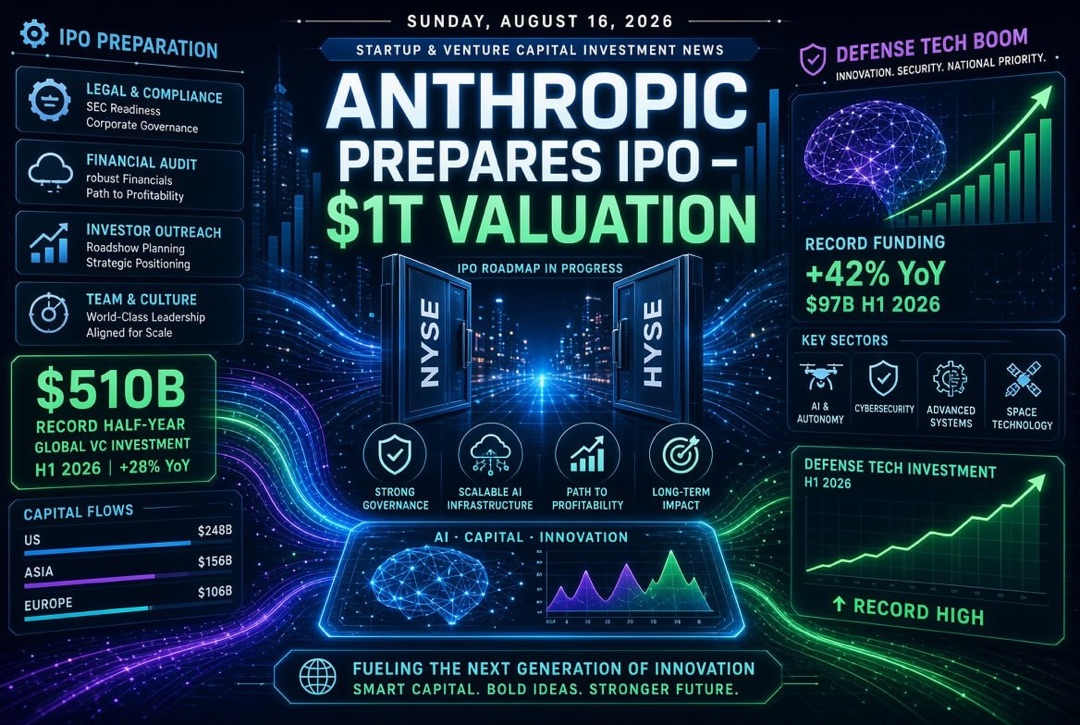
At the same time, sovereign funds from the Persian Gulf are increasing their presence: they are pouring huge amounts into technology initiatives and developing government mega-projects, forming powerful tech hubs in the Middle East. Dozens of new venture funds are emerging globally, attracting significant institutional capital into high-tech sectors. Leading firms in Silicon Valley have also accumulated record reserves of "dry powder"—hundreds of billions of dollars in unallocated capital—ready to be deployed as market confidence grows. The return of "big money" is flooding the startup market with liquidity, intensifying competition for the best deals and instilling optimism in the sector regarding further capital inflows.
Record Investments in AI and a New Wave of Unicorns
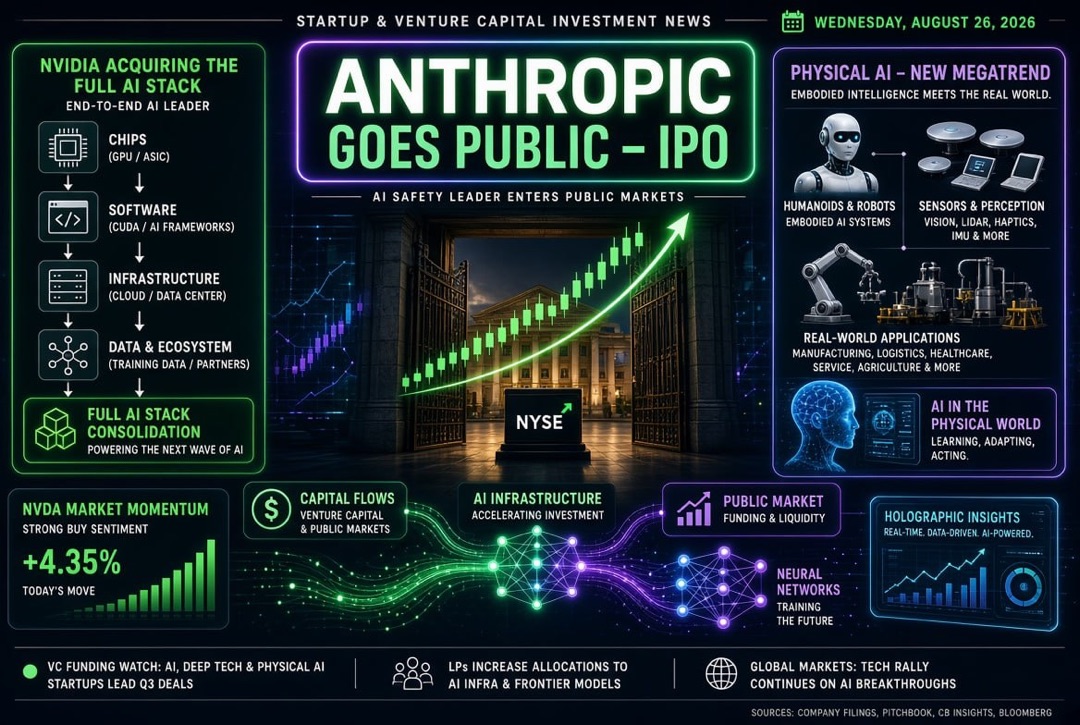
The artificial intelligence sector remains the main driver of the current venture upswing, demonstrating record funding volumes. Investors are eager to secure positions among AI leaders, directing enormous funds toward the most promising projects. In recent months, several AI startups have attracted unprecedented rounds: for example, Anthropic secured approximately $13 billion, while xAI raised around $10 billion, setting new market benchmarks. Another example is the startup Cursor, which raised $2.3 billion at nearly $30 billion valuation, making it one of the world's most valuable AI startups. Such deals, often oversubscribed with excess demand, underscore the excitement surrounding AI technologies.
Notably, funding is flowing not only into end-user AI applications but also into critical infrastructure for them. Venture money is going even into the "picks and shovels" for the new AI era—from chips and cloud platforms to data storage solutions. The total volume of venture investments in the AI sector is estimated to exceed $120 billion in 2025, with more than half of all venture capital this year directed toward AI projects. The current boom has spawned a wave of new unicorns—companies valued over $1 billion. While experts warn of the risk of market overheating, the appetite for AI startups remains undiminished.
IPO Market Revives: A New Wave of Public Offerings
The global IPO market is emerging from a prolonged lull and gaining momentum. In Asia, a new series of listings in Hong Kong has provided the impetus: in recent weeks, several major tech companies have successfully gone public there, collectively raising billions of dollars. For instance, one of the electronics leaders listed shares worth approximately $5 billion, demonstrating that investors are once again ready to actively participate in public offerings in the region.
In North America and Europe, the situation is also improving. In the US, the number of IPOs in 2025 increased by over 60% compared to last year. Several highly valued startups have successfully debuted on the stock market: fintech unicorn Chime saw its shares rise by 30% on the first day of trading, while design platform Figma raised approximately $1.2 billion upon going public, reaching a market capitalization of around $20 billion. Notable IPO candidates include payment giant Stripe and other global technology companies. Even the crypto industry is seeking to capitalize on this window of opportunity: fintech company Circle conducted a summer IPO with successful stock price growth, while crypto exchange Bullish submitted a listing application with a target valuation of around $4 billion. The revival of IPO market activity is vital for the venture ecosystem: successful public exits allow investors to realize profits and redistribute capital into new startups.
Diversification of Investments: Not Just AI
In 2025, venture investments are covering an increasingly broad range of industries and are no longer limited to artificial intelligence alone. After a downturn in previous years, fintech has revived: substantial funding rounds are occurring in the US, Europe, and emerging markets, fueling the growth of new digital financial services. Interest in climate and "green" technologies is also on the rise: projects in renewable energy, eco-friendly materials, and agtech are attracting record investments amid a global trend toward sustainability.
Appetite for biotechnology has also returned: the emergence of breakthrough developments—for example, a new obesity treatment—has attracted $600 million in a single round, indicating a resurgence of investor faith in medical and biological innovations. Additionally, heightened attention to security and the geopolitical situation have stimulated investments in defense technologies—startups in defense and aerospace systems are once again receiving funding. Even the cryptocurrency market has partially restored trust: blockchain startups and Web3 infrastructure companies have begun attracting capital after a lengthy hiatus. The broadening of industry focus is making the startup ecosystem more resilient and reducing the risks of overheating in specific segments.
Consolidation and M&A Deals: The Scale-Up of Players
Elevated startup valuations and intense competition for markets are pushing the industry toward consolidation. Major mergers and acquisitions are again coming into the foreground, reshaping the balance of power in tech. Tech giants have ramped up strategic acquisitions, seeking to secure key innovations and teams. A telling example is Google's agreement to acquire Israeli cloud startup Wiz for about $32 billion, setting a record for Israel's tech sector. Such mega-deals demonstrate the willingness of corporations to pay a premium for leadership in promising directions.
Overall, the new wave of M&A and strategic investments indicates a maturation of the market. Established startups are increasingly merging with each other or becoming targets for acquisition by larger players. For venture funds, this presents long-awaited exit opportunities with profit. Consolidation enables companies to scale more rapidly and strengthen their market positions while allowing investors to realize returns on their investments after several years of waiting.
Russia and the CIS: Local Initiatives Amid Global Trends
Despite external constraints, there is a revival of startup activity in Russia and neighboring countries. In 2025, the Russian venture market emerged from stagnation: the volume of investments in the first half of the year nearly doubled compared to the previous year, although in absolute figures it still lags behind global leaders. The country has announced the establishment of new venture funds with a total amount exceeding 10 billion rubles, aimed at supporting early-stage tech projects. Local startups have begun attracting significant capital: for example, the regional foodtech project Qummy secured about 440 million rubles in investments at a valuation of around 2.4 billion rubles, indicating a willingness to invest in domestic projects.
There are also signals for large companies in the region to consider going public. Some corporations are contemplating IPOs for their tech divisions, anticipating improvements in market conditions—holding company VK has publicly acknowledged the possibility of listing shares of its IT business in the future. Additionally, authorities are taking steps to stimulate the industry: grant and accelerator programs are expanding, and in some cases, restrictions for foreign investors are being relaxed, gradually restoring foreign capital's interest in local projects. All these initiatives aim to integrate the local startup ecosystem into global trends and attract more venture investments to the region.
Cautious Optimism and Quality Growth
By mid-November 2025, moderately optimistic sentiments have solidified in the venture market. Successful IPOs and billion-dollar deals indicate that the long downturn is behind us; however, investors remain cautious. Funding is concentrated on startups with sustainable business models, proven economics, and profit potential. The significant influx of capital into AI and other sectors instills confidence in further market growth, but participants are striving to avoid repeating past "bubble" mistakes by diversifying portfolios and tightening project selection criteria.
Thus, the venture ecosystem is entering a new development cycle, more mature and balanced. The return of major investors and successful exits create the foundations for a new wave of innovation, but discipline and prudence among investors will shape the nature of this growth. Despite an increased appetite for risk investments, the primary focus remains on quality growth of startups and long-term sustainability of the market.