News in Oil, Gas, and Energy as of April 27, 2026: Crisis in the Persian Gulf, Rising Oil and Gas Prices, Impact on the Fuel and Energy Sector and Global Energy Market
The global fuel and energy complex is entering a phase of heightened uncertainty. The situation in the Persian Gulf, where shipping disruptions through the strategic Strait of Hormuz persist, is once again taking the forefront, leading to a sharp rise in insurance premiums and prices for oil and gas. Against this backdrop, increased demand for electricity and interruptions in gas supply are intensifying competition for LNG supplies, while countries prepare for shortages of diesel and jet fuel. Global oil prices are once again hovering around $100 per barrel, and gas prices have surged to record levels for the start of spring. In such conditions, energy-intensive industries are reassessing their strategies, and investors are closely monitoring the liquidity of gas storage facilities and supply logistics. Meanwhile, the crisis is driving increasing investments in renewable energy: companies and governments are ramping up projects related to solar and wind power, as well as the development of battery storage networks to enhance the reliability of energy systems.
Oil Market: Pricing and Demand Dynamics
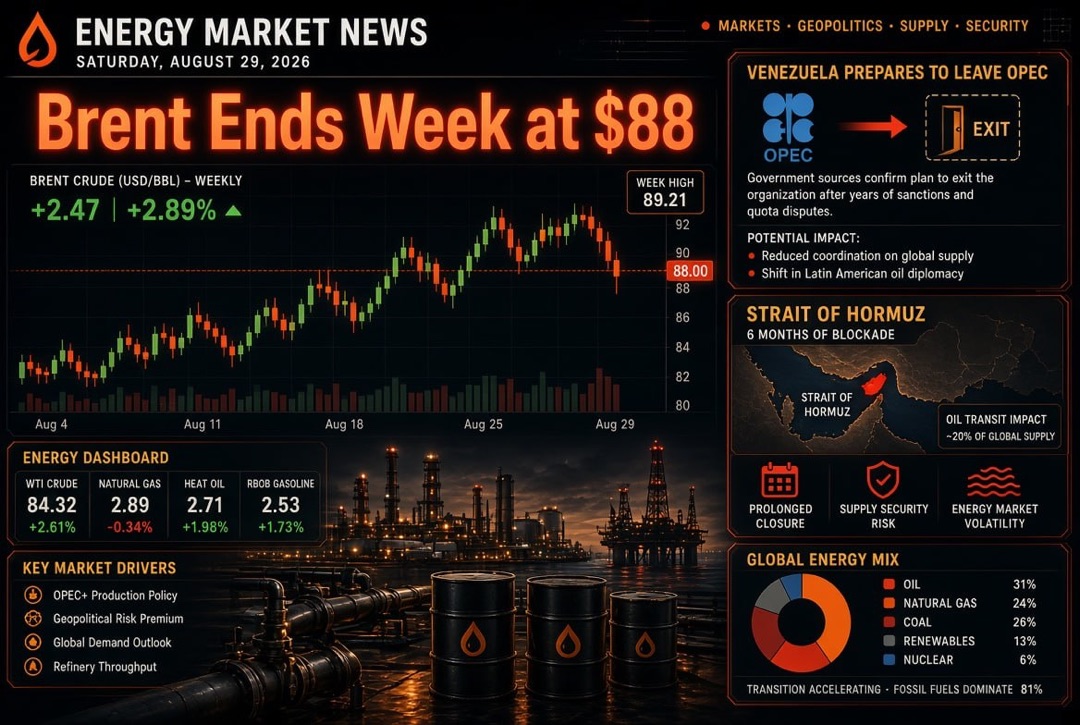
Oil prices continue to be influenced by geopolitical risks. Brent remains around $100 per barrel, supported by an insurance premium amid escalating conflict in the Middle East. At the same time, spot prices for crude oil for future deliveries in Europe are rapidly rising—approaching $130–150. Analysts note that global oil reserves are still substantial (around 7–8 billion barrels outside of Russia), but more than half of these reserves are beyond the reach of consuming countries. The potential for further price increases depends on the closure of the Strait of Hormuz and the response of OPEC+ producers.
- Drivers: Reduced shipments from the Persian Gulf and geopolitical tensions are pushing prices higher.
- Demand: A significant drop in demand is already observed in Asia—many refineries have limited processing, and some flights and ferries have suspended part of their routes.
- Forecasts: Goldman Sachs maintains an average Brent price forecast for 2026 at around $80–85, believing that the situation may normalize in the summer; however, the actual spike in prices in the spot segment continues to exert pressure on inflation.
Persian Gulf and Logistics: Alternative Routes
The blockade and fears of escalation around Iran continue to threaten key oil and gas delivery routes. Approximately 20–30% of global energy shipping passes through Hormuz. Currently, daily ship traffic has decreased roughly fourfold compared to normal levels. Countries are rapidly rerouting supplies through alternative paths: oil is partially redirected through the western coast of Saudi Arabia and UAE terminals, as well as via the Iraqi pipeline to Turkey. Nevertheless, all this is accompanied by rising freight rates and insurance fees, and logistical constraints are becoming an independent source of profit for some companies and a risk for most.
Gas and LNG Market: Competition between Europe and Asia
The natural gas and LNG segment is experiencing a sharp phase of competition. The reduction in LNG supplies from the Gulf region following the closure of Hormuz has intensified the race for flexible cargoes. Europe and Asia are now competing for every tanker shipment: European buyers are eager to replenish storage facilities ahead of winter, while Asian gas companies are actively seeking prompt deliveries on the spot market.
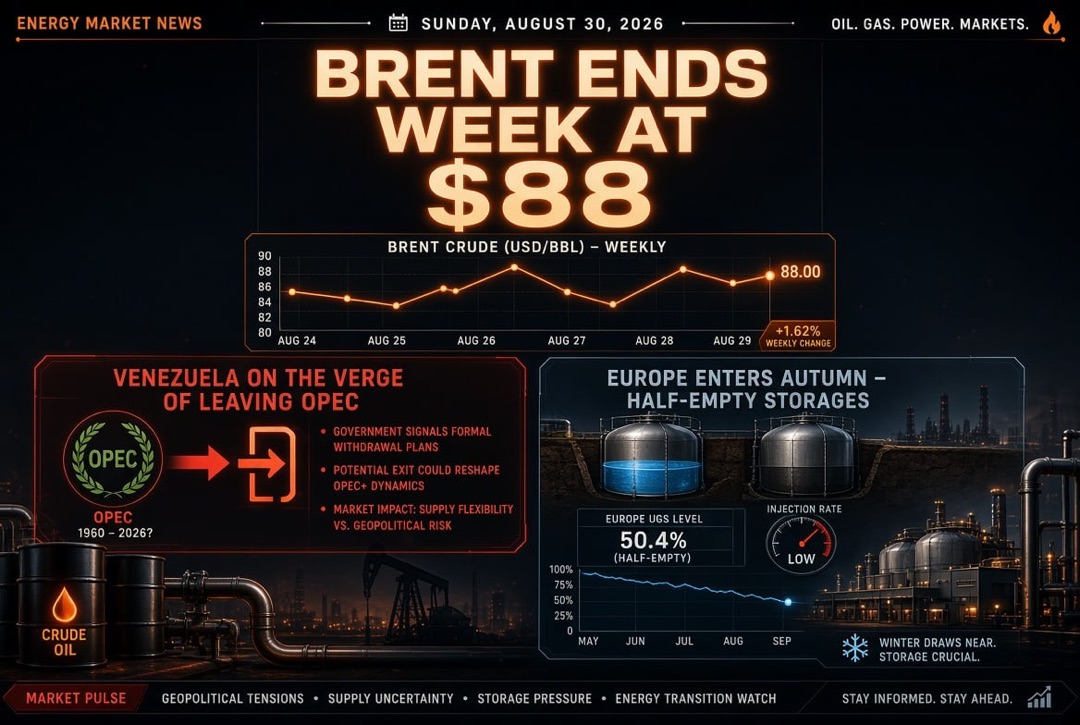
- Reserves: The filling level of EU gas storage by the end of March was significantly below the five-year average, around 25%, which raises risks of winter shortages.
- Prices: Prices at the European TTF hub and Asian JKM have surged to multi-level highs seen in 2022, nearly +50–70% over the month.
- Imports: The U.S. has increased LNG exports to a historical maximum, but it is still unable to compensate for all losses. New volumes from Qatar, Australia, and Africa will only help partially.
Refining and Oil Products: Capacity Reductions
Oil refining in Asia is sharply declining. Refineries in China, South Korea, Japan, and Singapore have already reduced throughput, with total processing capacity in the region dropping by 10–15% in April compared to February. A closure of Chinese fuel exports was enacted to maintain domestic balance. Consequently, diesel and jet fuel production may decrease by 1–1.5 million barrels per day, exacerbating the fuel shortage issue. In Europe, the fuel situation appears more resilient due to domestic production and reserves: the Dutch government has stated that with full utilization of reserves, gasoline, diesel, and kerosene supply could meet needs for over six months. However, prices for oil products have already reached record levels: freight and diesel premiums have surged significantly. For refiners, this means additional foreign currency earnings, but for aviation and road transport companies, it leads to new financial burdens.
- Imports: The EU has increased purchases of North Sea and American oil to compensate for the shortage of medium-sulfur types.
- Reserves: European refineries are reducing fuel exports, focusing on the domestic market; strategic reserves have been partially redirected to aviation consumption.
- Support measures: Airlines and carriers are introducing fuel surcharges, while governments are preparing subsidies and favorable loans for refinery upgrades.
Coal and Power Generation: Priority on Reliability
Due to rising gas prices and threats to gas supply, some countries are forced to enhance coal generation to maintain the energy balance. In the European Union and Asia, several regions have already announced programs to switch energy blocks to coal "until the crisis ends." This has temporarily increased demand and prices for coking and thermal coal—prices for energy-focused grades in March-April rose by approximately 15–20%. However, analysts warn that the scale of this surge is less than in 2022 due to reduced coal capacities, and stringent restrictions apply to Asian contracts. Nonetheless, the heated price parity between gas and coal is prompting some consumers to switch to cheaper fuel. At the same time, countries with developed nuclear generation (France, China) are increasing its share, while owners of reserve generating capacities are receiving additional margins for readiness to connect quickly.
Renewable Energy: Accelerating Transition
The energy crisis has intensified arguments in favor of "clean" energy. According to the IEA, global installations of solar and wind capacity in 2025 are expected to grow at record rates. China installed more than half of global new capacity: nearly 370 GW of solar and 117 GW of wind power. The European Union added around 85 GW of green generation (mainly solar)—10% more than the previous year. In India and developing regions, growth is even more intense—Middle Eastern and African countries have doubled their newly installed capacity.
- Impulse: Rising oil, gas, and coal prices increase the attractiveness of renewable energy for reducing import dependency. Households are installing solar panels, and industries are investing in wind projects.
- Investments: Global companies and funds are channeling capital into battery storage networks and upgrading energy systems. In the United States, a court has suspended restrictive regulations on building new projects, which should speed up the commissioning of wind and solar stations.
- International Initiatives: A conference titled "Fossil Fuel Phase-out" is taking place in Colombia at the end of April, where world leaders are discussing accelerating the transition away from oil and gas.
Support Measures and Market Outlook
Responses to the energy shock are emerging from governments as well. The EU has announced financial assistance packages for citizens and businesses: tax holidays, preferred loans for energy efficiency, and subsidies for airlines and transport companies. Plans for utilizing strategic fuel reserves and expanding LNG imports are being prepared. Simultaneously, oil companies are reassessing investment programs: given current prices, accelerating production, especially in regions with underutilized capacities (U.S., Brazil), is profitable. However, investors are now focusing more on infrastructure and flexibility. It is important to monitor the filling of European gas storage facilities, the relationship between Brent/WTI spreads, and diesel and jet fuel refining margins. On a global level, the transition from cheap oil to stable expensive oil is finalizing the development of a new energy landscape, where the price of any energy source is determined not only by demand but also by the capacity to deliver this resource to the consumer.
As we approach Monday, April 27, the global energy sector finds itself in a challenging position: the conflict in the Persian Gulf has led to the largest disruptions in oil and gas supply in history, which will soon reflect on the real economy and inflation. Demand for coal and electricity is temporarily rising, but the strategic trend is towards faster adoption of renewable sources and supply diversification. Investors and market participants must monitor not only the price dynamics of oil and gas but also logistical factors (tankers, pipelines), fuel reserves, and infrastructure readiness. In the coming weeks, the situation in the Strait of Hormuz, Saudi Arabia's export plans, the filling of gas storage facilities, and the cost of alternative energy resources will be crucial. The ability of companies to manage these risks will ultimately determine their success amid high volatility in fuel and energy markets.