Current News in the Oil, Gas, and Energy Sector for Sunday, May 17, 2026: The Hormuz Risk, Expensive Oil, the LNG Market, Oil Products, Refineries, Coal, Electricity, and Renewables
Sunday, May 17, 2026, marks a critical day for the global energy market as it assesses the repercussions of the largest disruption in oil and gas logistics in recent years. For investors, participants in the energy sector, fuel companies, oil companies, refineries, and traders, the primary concern is not merely the price of oil, gas, or coal but rather how quickly the global supply system can adapt to restrictions in the Hormuz Strait, shortages of certain petroleum products, and the rising costs of energy security.
Several concurrent factors have intensified in the global market: expensive oil, tightening LNG supplies, increased demand for alternative export routes, a redistribution of oil product flows, the return of coal to the energy mix of some Asian countries, and accelerated investments in electricity, renewables, grids, and energy storage.
Oil: The Market Remains in a State of Shortage and High Volatility
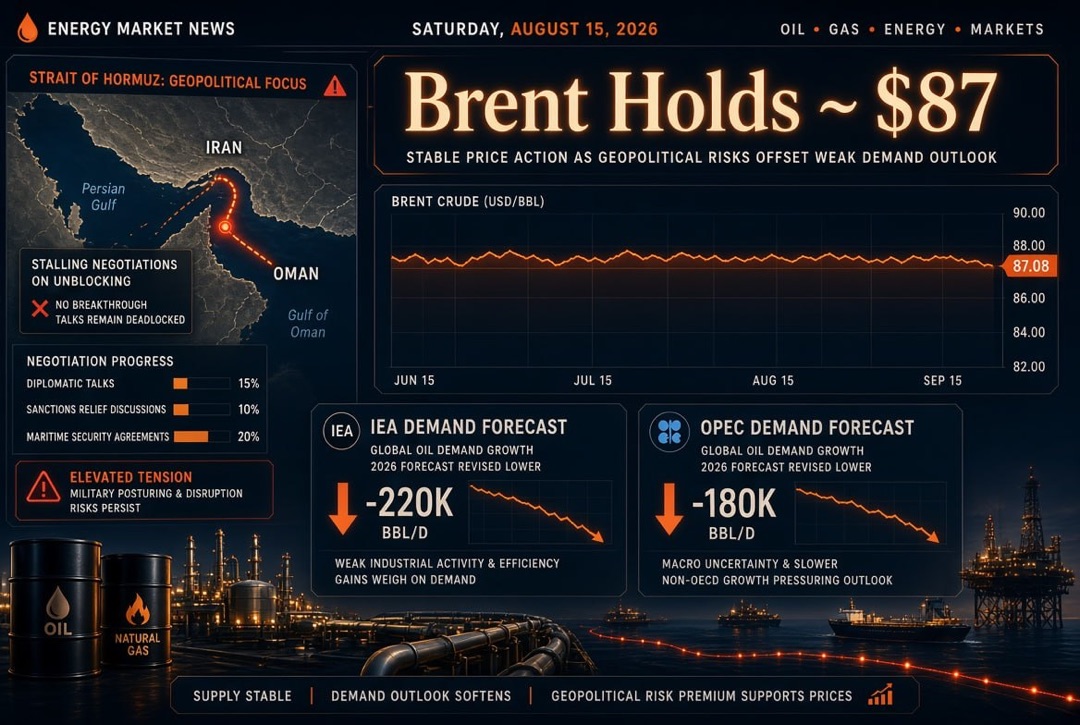
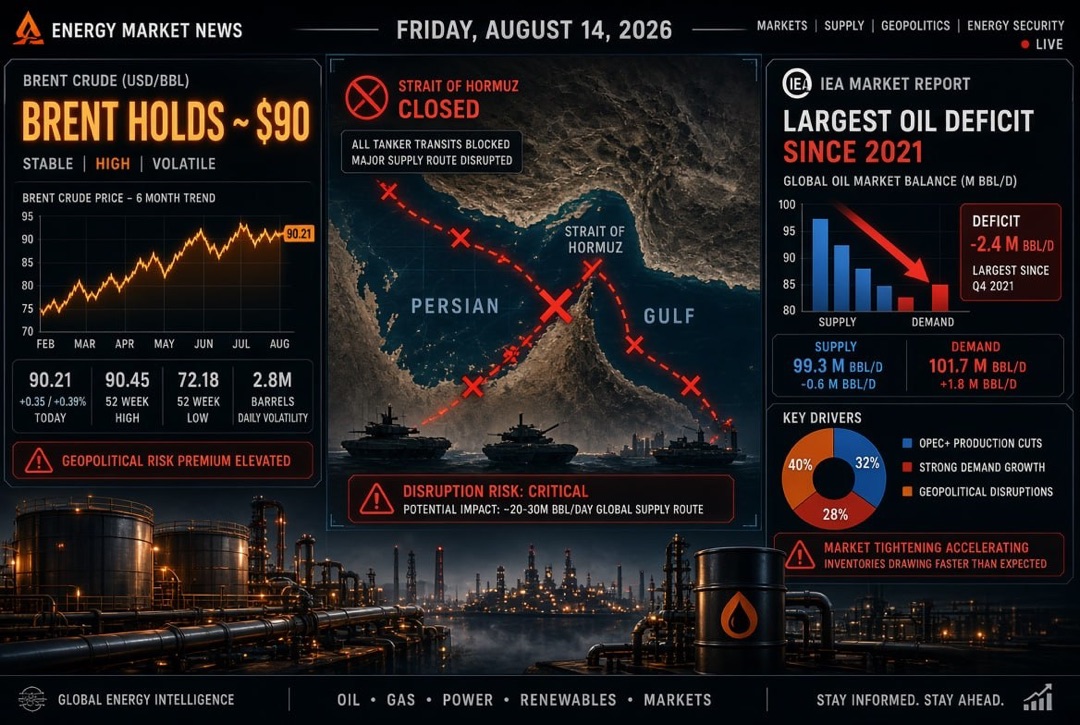
A key theme for the oil market is the ongoing supply disruptions from the Middle East. Restrictions in the Hormuz Strait have already led to reduced maritime flows of oil and petroleum products, as well as increased insurance, freight, and logistics costs. For oil companies and refineries, this translates into a more expensive raw material basket, instability in delivery schedules, and a pressing need to search for alternative oil grades more rapidly.
The Brent market remains sensitive to any reports of negotiations, military activity, and the restoration of shipping routes. Even if political de-escalation begins in the coming weeks, actual normalization of oil, gas, and petroleum product flows may take longer: tankers need security guarantees, insurers require new coverage conditions, and buyers seek confirmed shipping schedules.
- For oil and gas investors, the main risk is the continued premium in oil prices;
- For refineries, the rising cost of raw materials and competition for available batches;
- For fuel companies, pressure on margins and retail prices;
- For importing countries, an increase in inflationary risks.
OPEC and Gulf Countries: Managing Supply Becomes More Challenging
An additional factor of uncertainty has been the UAE's exit from OPEC and OPEC+. For the global oil market, this is not just a political signal but also a significant shift in the balance within the group of producers. As major market participants begin to operate more autonomously, investors will scrutinize OPEC's ability to coordinate supply and stabilize prices more carefully.
In this context, Iraq emphasizes its interest in maintaining dialogue with OPEC and its intention to increase production and export capacities. The sharp drop in Iraqi exports through the Hormuz Strait has heightened the significance of alternative routes, including those through Turkey. This sends an important signal to the market: Middle Eastern countries will increasingly invest not only in oil and gas production but also in infrastructure that reduces dependence on a single transportation corridor.
Gas and LNG: Europe and Asia Compete for Flexible Supplies
The natural gas and LNG market remains one of the most strained segments of the global energy sector. Restrictions in the Persian Gulf region have exacerbated concerns about the availability of Middle Eastern LNG, thereby increasing the importance of supplies from the U.S., Africa, and other export centers. Europe enters the summer season with the task of replenishing its storage facilities, while Asia faces rising electricity demand and prepares for the upcoming winter period.
A notable aspect of the current situation is the divide between regional markets. In the U.S., the domestic gas market remains relatively secure due to high production, while global LNG buyers contend with more intense competition for available cargoes. This creates differing investment signals: American gas producers face pressure from low domestic prices, whereas LNG exporters gain a strategic advantage in international markets.
Oil Products and Refineries: The Shortage Shifts from Raw Materials to Fuel
For refineries and fuel companies, the key issue is not only the price of oil but also the availability of petroleum products. Diesel, aviation fuel, gasoline, base oils, and specific components for motor oils are becoming more sensitive to supply disruptions. Europe is already faced with the necessity of replacing falling volumes of aviation fuel from the Middle East, while the U.S. and Asia are experiencing increased pressure on the diesel segment.
In such an environment, oil refining experiences a conflicting effect. On one hand, high crack spreads can support refinery margins. On the other hand, expensive oil, logistical disruptions, and the risk of falling end-demand could constrain profitability. For investors in oil refining, three indicators are crucial:
- The dynamics of crude oil and petroleum product inventories;
- The margins for diesel, gasoline, and jet fuel;
- The stability of export routes and refinery utilization rates.
Electricity: Supply Security Becomes Paramount
Global electricity generation is becoming a focal point for investment. Increased consumption coming from industry, data centers, electric vehicles, and the residential sector is straining the grids. The energy transition is no longer seen solely as a question of renewables and climate. It has evolved into a matter of reliability of energy supply, connection costs, and the ability of grids to handle new demand.
For energy companies and infrastructure investors, this creates a long-term window of opportunities. The most sought-after sectors include:
- The construction and modernization of electrical grids;
- Energy storage systems and balancing technologies;
- Gas generation as backup power;
- Solar and wind generation in regions with high electricity prices;
- Digital solutions for load management.
Renewables and Solar Energy: Growth Continues Amid Oil Shock
Despite the crisis in the oil and gas sector, renewables maintain their status as one of the fastest-growing segments of the global energy landscape. Solar energy is becoming increasingly competitive in regions with high solar insolation, expensive gas, and growing electricity demand. For investors, this signals that the energy transition has not stalled but has become more pragmatic: the market needs not only “green” projects but also projects that enhance the resilience of energy systems.
The example of large energy systems is particularly significant, where solar generation is beginning to displace coal from the daytime balance. However, the growth of renewables requires parallel investments in grids, storage, and backup capacities. Without these, a significant share of solar and wind generation could pose new risks to the reliability of energy supply.
Coal: A Temporary Return to the Energy Mix in Asia
Coal remains a vital component of the global energy balance, particularly in Asia. Amid rising LNG prices and uncertainties over gas supplies, Japan, South Korea, and several Southeast Asian countries are increasingly turning to coal generation to maintain energy supply stability. In the short term, this is a positive factor for the coal market, but strategically, the sector remains under pressure from climate policies and competition from renewables.
It is essential for investors to differentiate between two trends: the tactical increase in coal demand due to gas shortages and the long-term reduction in coal's role in the energy mix of developed markets. This makes the coal sector more volatile: prices may surge on crisis-related news, but company multiples remain constrained due to regulatory and ESG risks.
What Investors and Energy Sector Participants Should Monitor
As of May 17, 2026, the global oil, gas, and energy market remains in a phase of heightened uncertainty. For investors, oil companies, fuel operators, refineries, and electricity producers, the key indicators in the coming days will be:
- The situation with shipping through the Hormuz Strait;
- The dynamics of Brent and WTI in light of negotiations and military risks;
- The volumes of LNG supplies from the Middle East, the U.S., and Africa;
- The levels of inventories for oil, diesel, gasoline, and jet fuel;
- The refining margins and refinery utilization rates;
- The prices of coal and the shift from gas to coal generation in Asia;
- The pace of investments in electricity, renewables, grids, and storage.
Conclusion: The Energy Market Becomes a Market of Infrastructure and Security
The main takeaway for the global energy sector is that the industry is entering a period where the price of a barrel of oil or a million BTUs of gas no longer reflect the whole picture. The focus shifts to transportation routes, insurance, storage, refineries, electricity grids, backup capacities, and the ability of countries to rapidly restructure their energy balance.
For investors, this means a shift in focus from merely betting on oil or gas to a more complex evaluation of the energy chain. Companies that control infrastructure, possess flexible logistics, have access to various raw material sources, and can operate under conditions of expensive energy are likely to emerge as winners. The coming weeks will serve as a test for the resilience of business models in this new phase of the global energy cycle for oil companies, fuel firms, electricity producers, renewables operators, and the coal sector.