Current Oil and Gas and Energy Industry News as of April 26, 2026: The Global Energy Sector Enters a Phase of Expensive Logistics, Flexible Supply Shortages, and Accelerated Energy Balance Restructuring
The global fuel and energy sector approaches Sunday, April 26, 2026, in a state of heightened turbulence. For investors, oil companies, fuel operators, refineries, gas traders, electricity producers, coal sector participants, and renewable energy firms, the key factors remain not only the price of oil but also the resilience of the entire supply chain. Restrictions around the Strait of Hormuz have altered the balance in the raw materials market, intensified competition for LNG, raised fuel product prices, and compelled countries to reassess short-term energy security measures.
A key feature of the current moment is that the energy market is evaluating not just an isolated price surge, but a systemic risk. Expensive oil, a shortage of flexible gas supplies, strained refineries, increased demand for coal generation in certain countries, and an acceleration of investments in renewable energy are creating a new investment agenda. For the global audience, this signifies that energy is once again becoming one of the central factors influencing inflation, industrial policy, and corporate profits.
Oil: Risk Premium Remains a Key Market Driver
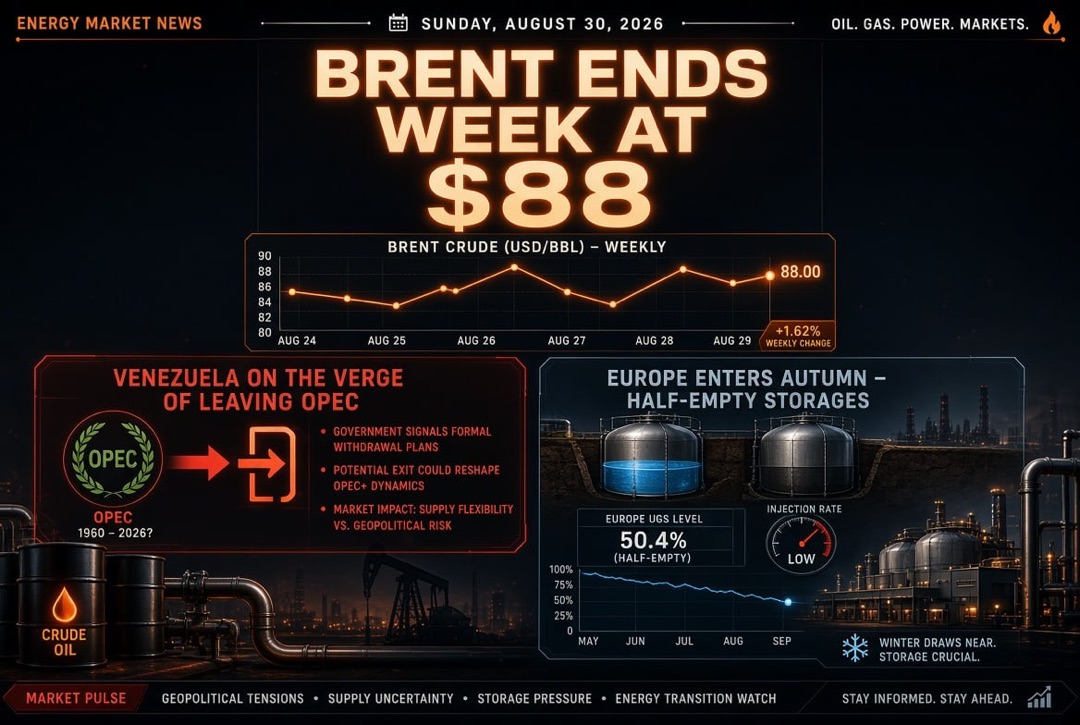
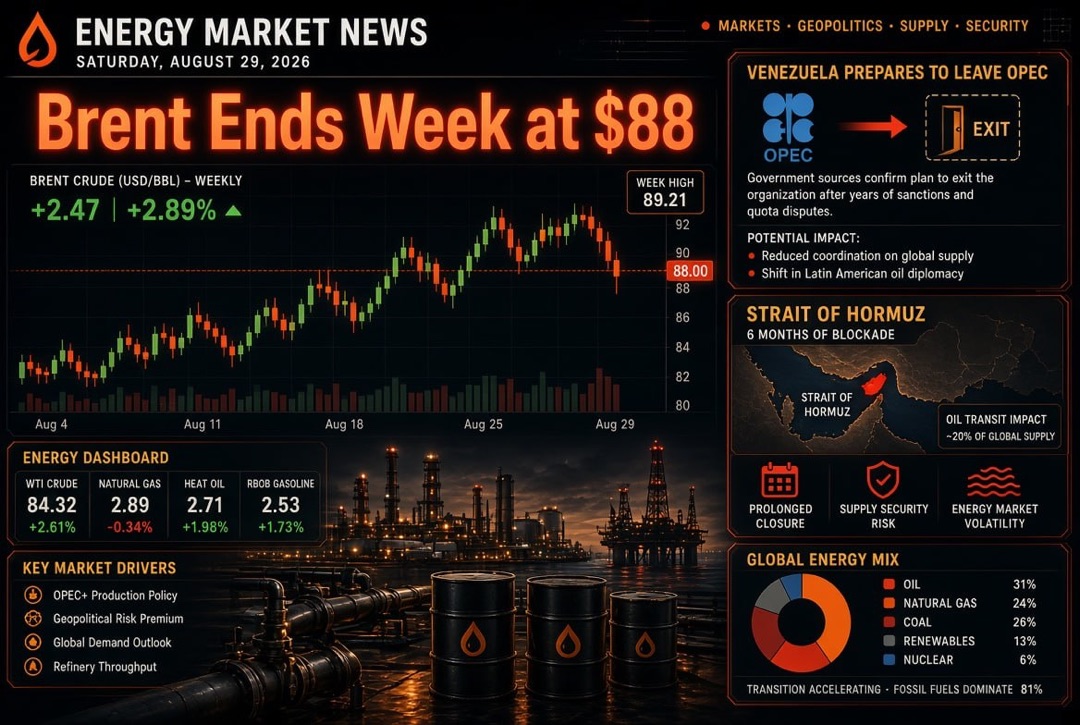
The oil market continues to trade with a high geopolitical risk premium. Brent crude has stabilized above the psychologically significant $100 per barrel mark, while WTI remains significantly discounted compared to the international benchmark due to differences in logistics, supply structure, and availability of U.S. crude. For oil companies, this supports cash flow, but for consumers, refineries, and the transportation sector, it creates margin pressure.
The primary risk for the oil market is related to the limitation of flows from Gulf states. Even with gradual improvements, the restoration of normal trade will not be instant: tanker fleet availability, cargo insurance, freight rates, and shipowners' willingness to operate in risk zones become just as important as crude production.
- For upstream companies, high oil prices support revenue and free cash flow.
- For refineries, the main question becomes the availability of feedstock and the cost of substitute grades.
- For consumers of petroleum products, the risk of price increases for diesel, gasoline, aviation fuel, and marine fuel is rising.
Strait of Hormuz: Energy Logistics at the Center of Investment Analysis
The Strait of Hormuz remains a critical point of tension for the oil and gas market. A significant portion of the world’s oil, LNG, gas condensate, and petroleum product supplies has traditionally passed through this route. Investors are now evaluating not only the volume of lost production but also the market's ability to quickly redirect flows through alternative routes.
Supplies through Saudi Arabia’s western coastline, the UAE's port infrastructure, pipeline routes from Iraq, and U.S. export capacities partially cushion the blow. Yet complete compensation is unattainable without rising transportation costs and changes in trade geography. As such, logistics within the energy sector become an independent source of profit for some companies and a risk factor for others.
Gas and LNG: Global Competition for Flexible Supplies Intensifies
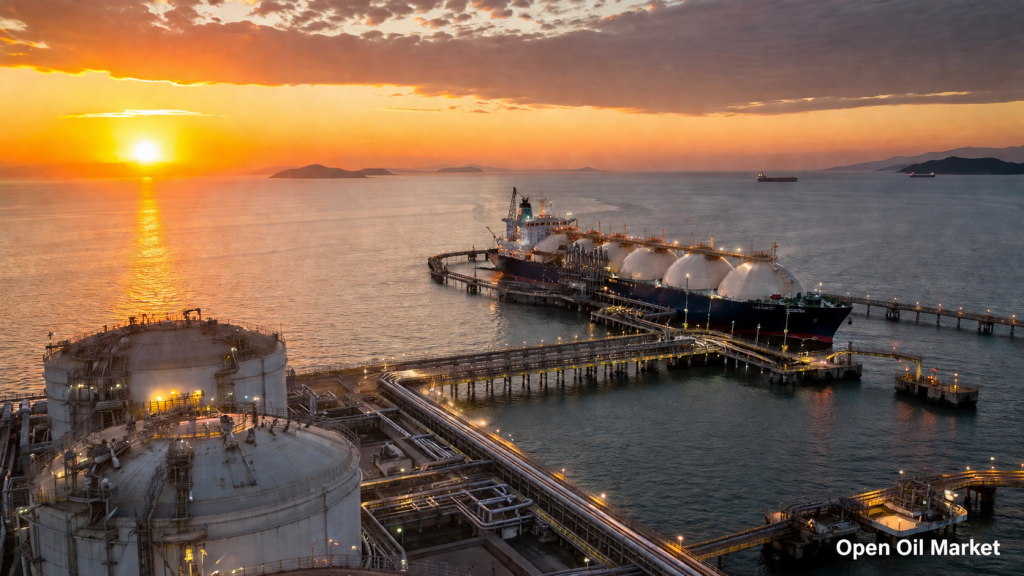
The natural gas and LNG market remains one of the most sensitive segments of the energy sector. A reduction in Middle Eastern flows has intensified competition between Europe and Asia for flexible liquefied natural gas cargoes. The U.S. has temporarily become the main balancing supplier, though their export capacities are approaching maximum utilization.
European buyers face a dual challenge: they need to replenish gas storage ahead of the next heating season while simultaneously avoiding aggressive purchasing that could drive prices higher. For Asia, the issue is equally urgent: Japan, South Korea, China, India, and Southeast Asian nations are competing for the same LNG cargoes as Europe. This volatility makes the gas market more unpredictable and increases the importance of long-term contracts.
- LNG is becoming more than just a commodity; it is now a tool for energy security.
- Contracts with flexible delivery directions are gaining higher strategic value.
- Gas-fired power plants remain crucial for balancing energy systems, but their economics suffer under high LNG prices.
Refineries and Petroleum Products: Margins Depend on Crude, Diesel, and Regional Shortages
Oil refining is entering a complex phase. High oil prices alone do not guarantee sustainable refinery margins if access to the right grades of crude becomes problematic. The reduction in Middle Eastern oil and condensate supplies is increasing demand for alternative grades from the U.S., Brazil, West Africa, and the North Sea.
The market for middle distillates remains particularly sensitive. Diesel, aviation fuel, and marine fuel are experiencing faster price hikes amid limited refining capacity and logistical disruptions. For fuel companies, this means increased working capital, while for industrial consumers, it results in rising costs. Refineries that have access to a diversified feedstock base, robust logistics, and stable distribution channels for petroleum products stand to benefit.
Coal and Electricity: Energy Security Temporarily Takes Precedence Over Climate Rhetoric
Amid tensions in the LNG market, some countries are forced to temporarily elevate the role of coal generation. This is especially significant for states where the power sector relies on imported gas. Coal is once again being reconsidered as a backup tool for energy security, although the long-term trend towards decarbonization persists.
For investors, this presents a mixed picture. On one hand, coal assets are receiving short-term support due to gas supply shortages and rising demand for reliable generation. On the other hand, regulatory, climate, and financial constraints remain intact. Thus, the coal sector may remain profitable in the short term, but it strategically yields to more flexible solutions: gas, nuclear energy, energy storage, and renewables.
Renewable Energy and Energy Transition: Crisis Accelerates Demand for Solar Power, Grids, and Storage
High oil and gas prices strengthen arguments in favor of renewable energy. Solar generation, wind power, battery systems, grid modernization, and green hydrogen are becoming not only climate-related, but also economic tools. For fuel-importing countries, renewables allow for reduced dependence on external supplies and the volatility of raw material markets.
This direction is particularly active in China, India, Southeast Asia, the Middle East, Europe, and Africa. Investors must also recognize that the renewable market is no longer homogeneous. Equipment manufacturers, grid companies, project developers, storage operators, and software providers for energy system management have different yield models and risks.
Russia, Sanctions, and Raw Material Flows: The Market for Condensate and LNG Becomes More Politicized
Sanction policies continue to influence the structure of the global energy sector. New restrictions on Russian energy flows, including condensate, intensify market fragmentation. For Europe, this means further reducing dependence on Russian energy resources, but also increased competition for alternative supplies. For Russia, it entails the necessity to redirect raw materials to other regions where logistics may be costlier and contractual conditions less favorable.
Gas condensate is crucial for petrochemicals, motor fuels, and processing. Therefore, any restrictions in this segment affect not only the gas market but also the petroleum product chain. For refineries and petrochemical enterprises, this raises the importance of flexibility in their feedstock mix.
What is Important for Investors and Energy Sector Participants
The current situation indicates that energy is once again becoming a market of physical infrastructure rather than merely financial expectations. Prices for oil, gas, LNG, electricity, coal, and petroleum products are dependent on actual constraints: tankers, ports, pipelines, insurance, refineries, gas storage, grids, and backup generation.
For investors and companies within the energy sector, key focus areas for analysis in the coming weeks will include:
- Dynamics of supply recovery through the Strait of Hormuz;
- Brent risk premium levels and Brent-WTI spread;
- Filling of European gas storages ahead of the winter season;
- U.S. LNG exports and availability of free cargoes for Asia;
- Refinery margins for diesel, gasoline, and aviation fuel;
- Short-term demand for coal generation;
- Acceleration of investments in renewable energy, energy storage, and electricity grids.
Conclusion: The Global Energy Sector Moves from Cheap Energy to Expensive Reliability
The main conclusion for Sunday, April 26, 2026, is that the global oil, gas, and energy market has entered a phase of assessing reliability. Investors are focused not only on oil and gas quotes but also on companies' ability to manage logistics, feedstock, processing, sales, generation, and infrastructure.
In the short term, expensive oil supports production, tight LNG enhances the positions of American exporters, and shortages of petroleum products elevate the importance of effective refineries. In the medium term, companies that can synergize traditional energy sectors with new energy solutions—gas, renewables, storage, grids, nuclear energy, and digital energy systems management—will come out ahead.
For the global market, this is not just another commodity cycle. It marks a transition to a new structure of energy security, where the value of a barrel, ton of LNG, megawatt-hour of electricity, and ton of coal is increasingly dictated not only by demand but also by access to resilient infrastructure.