The Global Energy Market on May 12, 2026: Refining Plants, LNG Tankers, Oil Products, Energy Grids, Wind Energy, and Energy Sector Infrastructure
News from the oil and gas and energy sectors for Tuesday, May 12, 2026: contentReference[oaicite:0]{index=0} compared to just a few days ago. Hopes for political de-escalation regarding Iran remain, but the market increasingly recognizes that the physical shortage of oil, gas, LNG, and oil products does not disappear with changes in diplomatic rhetoric.
For investors, oil companies, refinery operators, fuel suppliers, power producers, and participants in the renewable energy sector, the key focus is not only on the direction of raw material prices but also on the resilience of global supply chains. The global energy sector is currently facing key challenges:
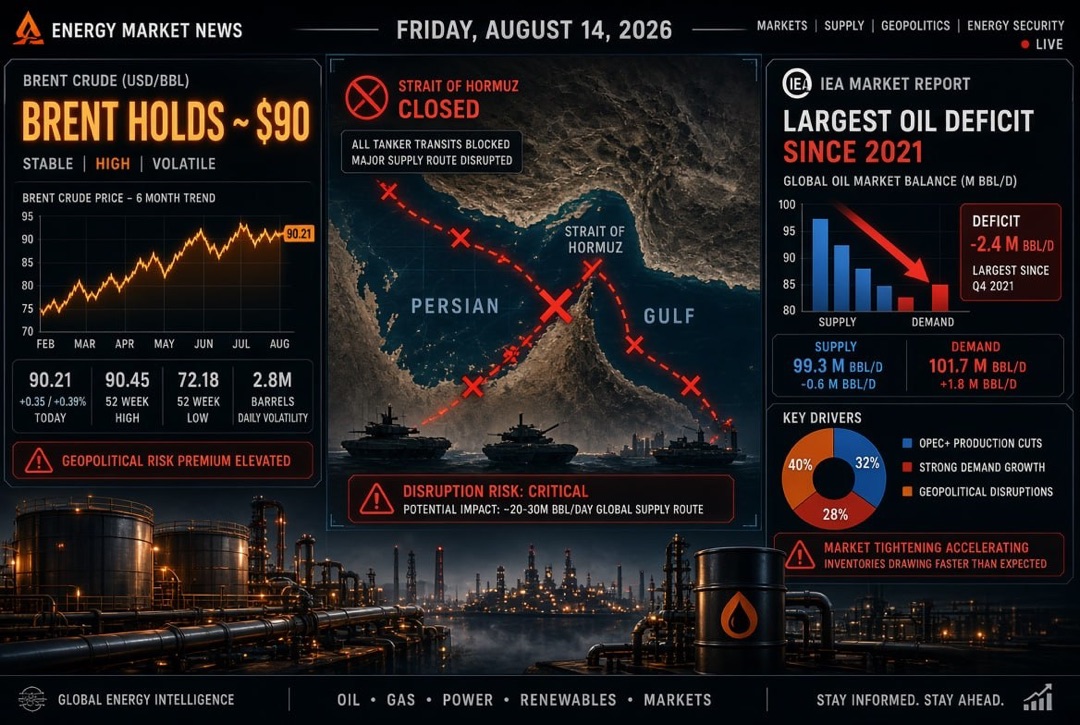
- ongoing disruptions in the Strait of Hormuz and rising geopolitical premiums in oil;
- declining actual OPEC production despite OPEC+ plans to increase supply;
- tensions in the LNG market and complications in gas trade between Asia, the Middle East, and Europe;
- shortages of oil products, particularly gasoline, diesel, and jet fuel;
- increased investments in energy grids, energy storage, and renewable generation;
- the return of coal to Asia's energy agenda as a hedge against expensive gas.
Today's Main Theme: The Market is No Longer Valuing Promises but Real Barrels
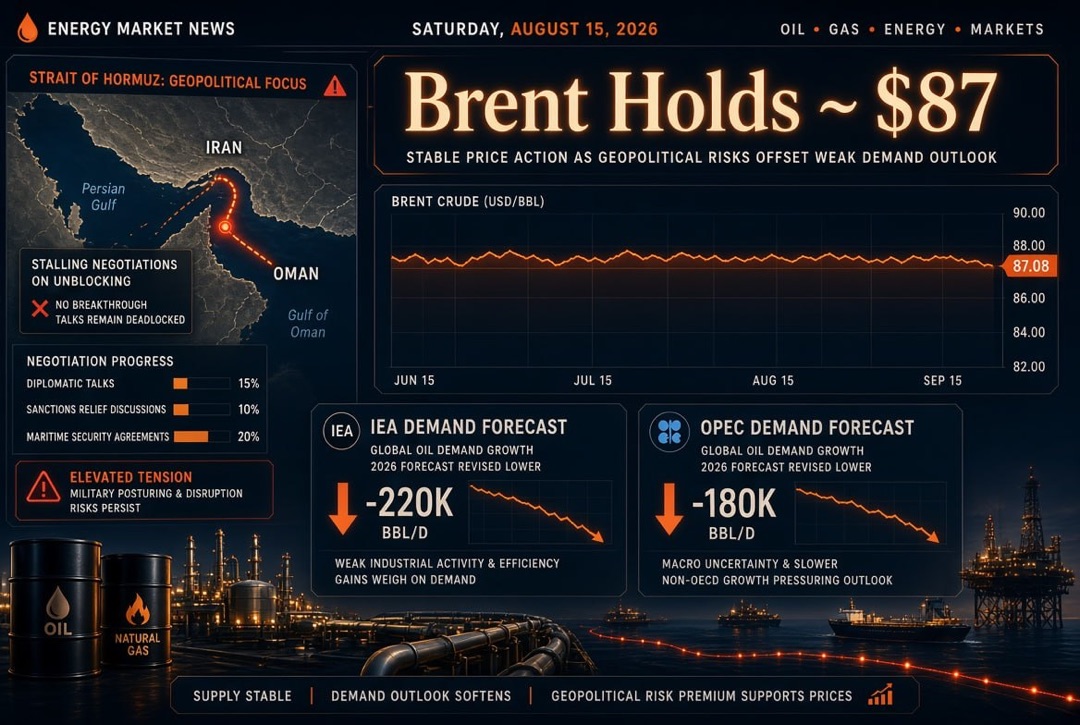
The main takeaway for the global energy market on May 12 is that political signals are currently unable to compensate for physical supply constraints. Oil prices are again receiving support after negotiations concerning Iran did not lead to a quick breakthrough, and shipping through the Strait of Hormuz remains disrupted.
Particularly noteworthy is the fact that the market is not merely grappling with risk but is facing actual supply reductions. Leadership at Saudi Aramco estimates the current loss to the global market at approximately 100 million barrels of oil per week if the disruptions in Hormuz continue. For investors, this means that even with a subsequent easing in geopolitical tensions, the balance of oil and oil products will take time to restore.
Oil and OPEC: Plans to Increase Production Conflict with Actual Supply
On Tuesday, the oil market is influenced by two opposing factors. On one hand, OPEC+ has previously confirmed its intent to gradually unwind some voluntary restrictions: seven member countries have agreed to an additional production adjustment of 188,000 barrels per day starting in June. On the other hand, actual supply in April fell sharply.
In April, OPEC production decreased by 830,000 barrels per day, averaging around 20.04 million barrels per day — the lowest level in more than two decades. The most significant reductions occurred in Kuwait, while Saudi Arabia and Iraq also reduced their output. Formally, the market can discuss quota increases, but for crude oil buyers, a more pressing question remains: how much raw material will actually reach terminals, refineries, and end-users.
An additional sign of tension is the rise in the number of tankers leaving Hormuz with disabled tracking systems. This mode reduces trade transparency and increases logistical risks. Simultaneously, importing countries are accelerating diversification: Japan is preparing to receive a shipment of Azerbaijani oil, and producers with alternative supply routes are gaining a strategic advantage.
Gas and LNG: Asia Intensifies Competition for Limited Volumes
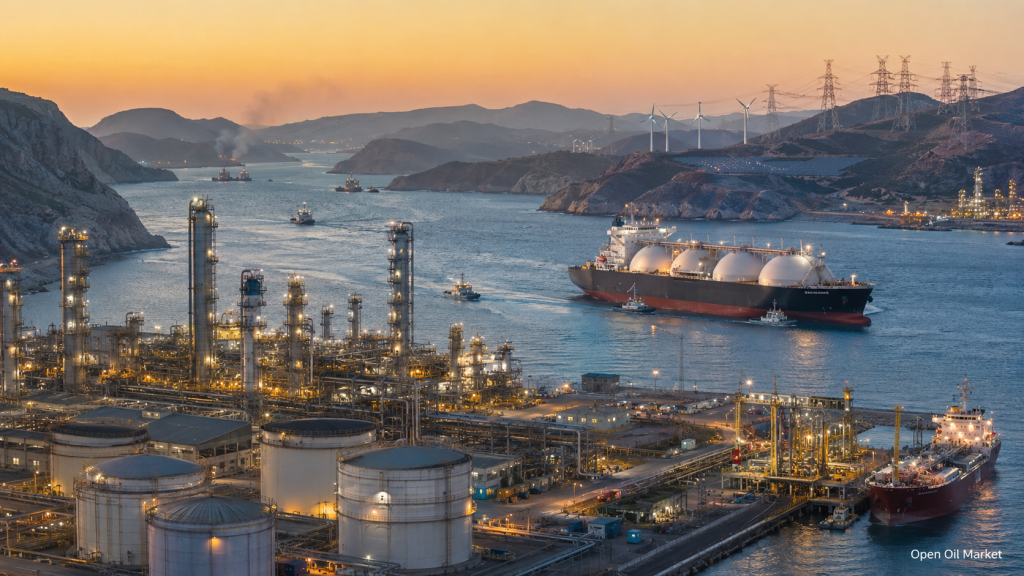
The main topic in the gas market remains LNG. The second Qatari tanker is headed through the Strait of Hormuz to Pakistan and is expected to arrive on May 12, indicating that liquefied natural gas trade continues but is now occurring under heightened risk and more complex logistics. Meanwhile, around 17% of Qatar's LNG export capacity remains offline for the long term, maintaining tension in the global gas market.
India, one of the largest energy consumers worldwide, has refused to accept LNG from Russia that falls under U.S. sanctions, despite gas shortages following the Middle Eastern crisis. This episode demonstrates that the gas market in 2026 is influenced not only by price and demand but also by sanctions compliance, insurance, fleet availability, and political risks.
Europe also continues to face a sensitive situation. The region needs to keep filling gas storage ahead of the next heating season, but competition with Asia for available LNG cargoes is increasing. If high gas prices persist, some Asian countries will continue relying on coal, while Europe may be forced to pay a premium for flexible shipments.
Oil Products and Refineries: Shortage Shifts from Crude Oil to Fuels
One of the most important trends for energy sector participants is the shift in tension from crude oil to refining. Even if some oil supplies begin to recover, the markets for gasoline, diesel, and jet fuel will remain constrained for a longer period due to the composition of available raw materials, refinery utilization, and regional imbalances.
In Asia, the reduction in medium-sulfur crude oil supplies has already forced several refineries to cut back on processing and adjust their crude slate. Diesel and jet fuel production has come under pressure, and refiners are increasingly turning to lighter crude grades, which yield different product outputs. In Singapore, oil product inventories have dropped to their lowest levels in over nine months, reflecting the overall tightness of the market.
In the United States, investor focus is on gasoline: market participants expect a significant reduction in inventories by the end of the summer season. Meanwhile, higher margins on diesel and jet fuel prompt refineries to prioritize middle distillates, further limiting gasoline supply. For oil companies and traders, this indicates sustained high refining margins, but for consumers, it suggests a longer period of expensive fuel.
Electricity and Grids: Demand Outpacing Infrastructure
If the oil and gas market in 2026 is defined by a shortage of molecules, the electricity market is increasingly characterized by a shortage of infrastructure. The rise of data centers, electric vehicles, heat pumps, and industrial electrification is placing greater stress on grids across Europe, North America, and Asia.
ABB has announced plans to invest approximately $200 million in expanding its medium voltage equipment manufacturing in Europe. The company expects to increase output by 50-300% depending on the product line, responding to rapidly growing demand from energy systems and industrial clients. This sends an important signal: in the coming years, investments will shift not only toward generation but also toward transformers, distribution devices, energy storage, and grid modernization.
For the electricity market, this creates a dual effect. On the one hand, demand remains structurally high. On the other hand, companies operating at the intersection of energy, electrical engineering, and infrastructure are presented with a more robust long-term investment case than many cyclical segments of the raw materials market.
Renewables and Storage: Europe Bets on Energy System Flexibility
The renewable energy sector continues to grow, but its focus is shifting significantly. Whereas previously the primary metric was the introduction of new solar and wind capacities, the ability of the energy system to store and redistribute electricity is becoming increasingly important.
In Europe, combined renewable energy and battery projects could grow by more than 450% by 2030 — from 6.3 GW in 2025 to around 35 GW. Germany is seen as the most attractive market for such projects, followed by the UK and Bulgaria. The reason is straightforward: with significant solar and wind generation, negative electricity prices and mandatory generation outages are becoming more frequent, and storage allows for energy sales at times when it is genuinely needed in the market.
For investors, this means that the most promising direction for renewables is not individual solar or wind farms, but integrated energy assets: generation plus batteries, digital management, demand forecasting, and participation in balancing markets.
Coal and Energy Security: Asia Maintains a Pragmatic Approach
Despite the accelerated energy transition, coal remains part of the global energy balance. In Asia, it is regaining significance as a backup fuel amid high LNG prices and supply risks. For countries with rapidly growing electricity demand, the trade-off between cost, reliability, and decarbonization is becoming increasingly stringent.
High gas prices are boosting interest in coal generation in countries where appropriate infrastructure exists and local or regional resources are available. Simultaneously, developing economies are searching for ways to reduce reliance on fuel imports: Bangladesh, for example, is accelerating solar project development to alleviate pressure on its balance of payments and enhance energy resilience.
Thus, the global energy sector is evolving in two directions simultaneously. In the long term, capital is flowing into renewables, storage, and energy grids. In the short term, governments continue to use coal, oil, and gas as tools to ensure supply security.
What Investors and Energy Sector Companies Should Monitor on May 12
- Any signals regarding the restoration of full shipping through the Strait of Hormuz and actual increases in oil supplies.
- Trends in oil products — especially gasoline, diesel, and jet fuel, where shortages may persist longer than in the crude oil market.
- Decisions by Asian LNG importers and the distribution of Qatari cargoes among Pakistan, India, Europe, and other buyers.
- Future assessments of demand, supply, and oil inventories ahead of the May global oil market review.
- Investments in energy grids, energy storage, and flexible generation as one of the most resilient long-term themes in global energy.
On Tuesday, May 12, 2026, the global oil, gas, and energy sectors remain a market where the short-term agenda is driven by geopolitics, while the long-term is defined by electrification, rising electricity demand, and infrastructure restructuring. For investors, distinguishing between temporary price noise and structural changes is crucial: shortages of oil and LNG may wane after logistics normalize, but the importance of refineries, oil products, energy grids, renewables, and storage in the global energy sector will only increase.