Global Oil, Gas, and Energy News for Wednesday, February 4, 2026: Oil and Gas, Electricity, Renewable Energy, Coal, Oil Products, and Refineries. Key Events and Trends in the Global Energy Market for Investors and Industry Participants.
Global news from the oil, gas, and energy sectors on Wednesday, February 4, 2026, encompasses key events in the oil and gas industry, electricity generation, renewable energy, the coal industry, as well as the state of oil product markets and refinery operations. Early February 2026 is marked by extreme winter conditions and significant geopolitical shifts, impacting oil, gas, electricity, and other energy resource markets. Investors and participants in the energy market are closely monitoring developments, assessing the impact of weather anomalies, sanction policies, and new trade alliances on the fuel and energy complex.
- Extreme cold in the U.S. has led to a temporary reduction in oil (~15%) and gas (~16%) production; output is gradually recovering.
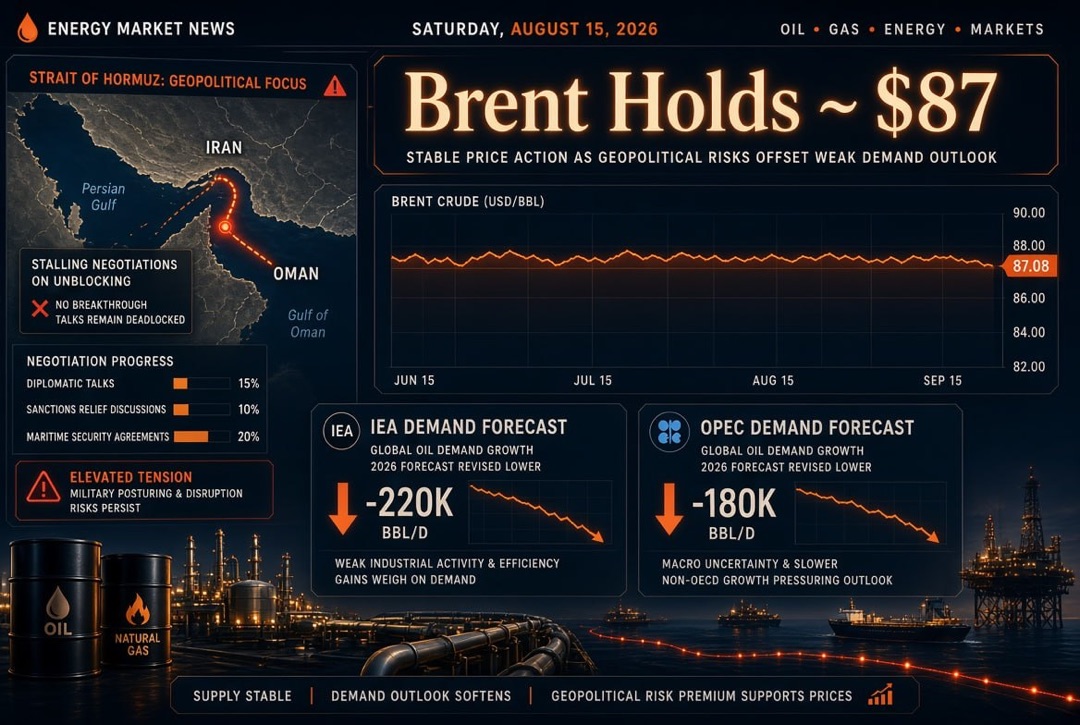
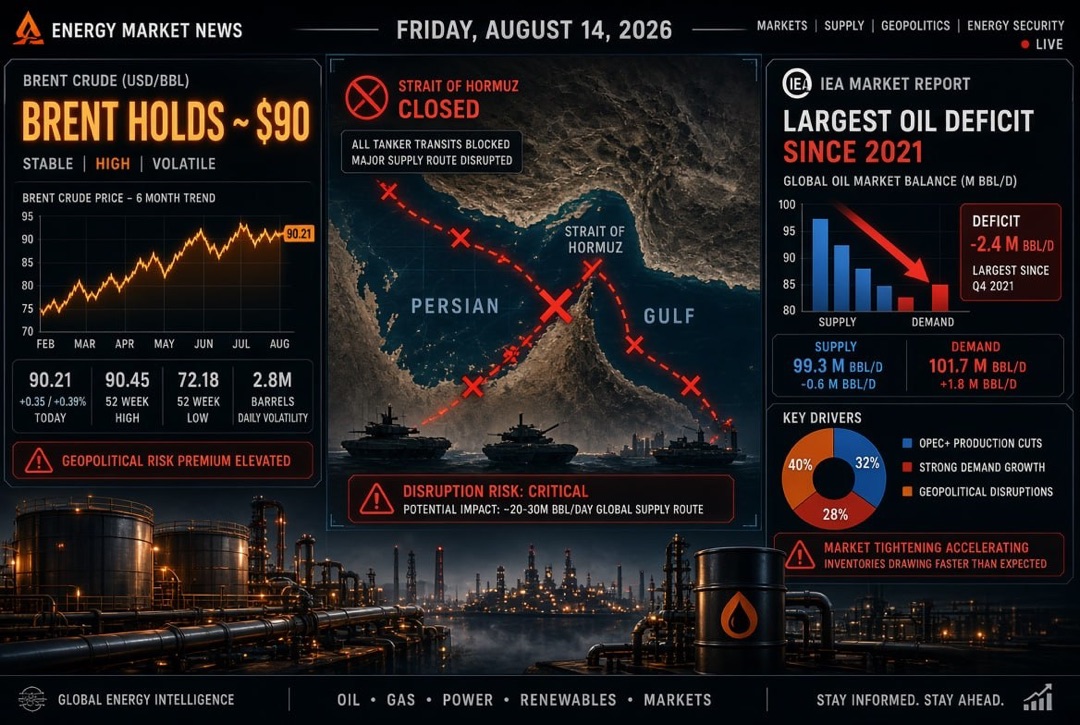
- Oil prices (Brent ~ $65/barrel) have stabilized after a recent spike; OPEC+ has extended production restrictions until March 2026.
- The U.S.-Iran confrontation has intensified, increasing the threat of supply disruptions from the Middle East, despite separate diplomatic efforts over Ukraine.
- Natural gas prices in North America and Europe have surged due to the cold weather; gas reserves in the EU have fallen to minimum levels (~45% of storage capacity).
- Renewable energy has reached a record share in Europe's electricity generation; however, the harsh winter has highlighted the need for fossil fuel backup capacity and grid modernization.
- The U.S. has eased oil sanctions on Venezuela following a change in leadership; India will purchase Venezuelan oil instead of Iranian oil. These steps pave the way for an increase in Venezuela's oil exports to the global market.
Oil Market: Recovery of Production and Price Stability
The global oil market at the beginning of February shows relative equilibrium after the price spike at the end of January. The benchmark Brent, which briefly exceeded $70 per barrel amid heightened geopolitical concerns, has returned to ~$65, while WTI stands at ~$60 per barrel. The rollback in prices occurred as fears of disruptions diminished and production resumed after the severe weather.
Several factors are influencing prices:
- Seasonal Demand: The cold winter is ensuring increased demand for heating fuel. The rise in consumption of oil products (particularly diesel) supports oil prices, partially offsetting the slowdown in the global economy.
- Geopolitics: The escalation of the U.S.-Iran conflict raises the threat of export disruptions from the Persian Gulf. The tough rhetoric from Washington and Tehran's retaliatory threats add a "risk premium" to oil prices.
- OPEC+: The alliance is avoiding increasing production amid fragile demand. Current quotas have been extended for Q1 2026, preventing market oversupply and supporting prices during the high winter consumption period.
- Financial Factors: A weak dollar makes commodities cheaper for holders of other currencies, attracting investors. Hedge funds have increased long positions in oil, signaling a return of speculative demand.
The cumulative influence of these factors keeps oil prices above recent lows. However, the International Energy Agency warns that a surplus of oil may develop in the second half of 2026, limiting the potential for further price increases and maintaining market caution.
Gas Market: Record Cold Depleting Storage
The global gas market is experiencing sharp price spikes under pressure from abnormal cold weather. The extreme conditions have disrupted fuel production in North America and triggered a surge in demand for heating gas in Europe.
Regional Situations:
- Europe: Prolonged cold temperatures have led to record gas withdrawals from underground storage facilities (UGS). EU storage levels have fallen to about 45% of capacity, a minimum in recent years. However, stable LNG and gas inflows from Norway and North Africa are currently preventing shortages, keeping spot prices in the €40-50 per MWh range.
- U.S.: Cold weather has caused well freeze-ups and a spike in domestic prices. During the crisis, the Henry Hub exceeded $6 per MMBtu, more than double the level at the start of winter. LNG exports temporarily dropped by nearly 50% due to terminal outages and redirection of some supplies to the domestic market, forcing energy companies to switch to coal and fuel oil.
- Asia: Major Asian consumers (China, Japan, South Korea) are currently avoiding a gas shortage. A mild winter and long-term LNG contracts have kept the region insulated from disruptions, curbing price rises. Competition with Europe for spot LNG remains limited, resulting in lower Asian prices than in Europe.
In the coming weeks, weather will dictate gas market dynamics. A mild end to winter will reduce prices, while a new cold front threatens to spike rates again. Following the season's conclusion, Europe will need to replenish depleted storage, competing with Asia for LNG—this will maintain pressure on prices.
Geopolitics: Sanctions and Middle Eastern Tensions
Geopolitical factors continue to influence the energy sector. The West is maintaining strict sanctions against Russia, while tensions are escalating in the Middle East surrounding Iran.
The U.S. has intensified pressure on Tehran: President Donald Trump has sent a carrier group to the shores of Iran and threatened a strike. In response, Tehran has promised to regard an attack as a "total war." This escalation heightens the risk of oil export disruptions from the Persian Gulf and unsettles markets.
The EU has completely halted imports of Russian pipeline gas since 2026, and the oil embargo restricts Russia's oil exports, forcing Moscow to sell to Asia at substantial discounts. At the end of 2025, the U.S. expanded sanctions to include major Russian oil and gas companies.
Energy Trade: New Routes and Alliances
The restructuring of global energy resource trade continues under the pressure of sanctions and shifting priorities. Countries are forming new routes and partnerships to meet their energy needs:
- Russia - China: Moscow is redirecting its exports of oil, gas, coal, and electricity eastward. Supply to China and other Asian nations is increasing, partially compensating for the loss of the European market.
- Europe and Partners: The EU is diversifying its energy imports, increasing purchases of gas from Norway and Algeria, and oil from the Middle East and Africa. In place of Russian oil products, increased supplies from India and the Persian Gulf countries are being utilized. European refineries have adapted to work with new feedstocks, significantly reducing dependence on Russia.
- India - Venezuela: New Delhi, with U.S. support, is replacing some Iranian oil with Venezuelan oil, taking advantage of eased sanctions against Caracas. This accelerates Venezuela's return to the global market and provides India with a stable source of heavy crude.
Electricity and Coal: Systems Under Extreme Stress
Abnormal cold has placed the power systems of the Northern Hemisphere under extreme strain. A surge in electricity consumption alongside reduced gas supplies has forced several countries to urgently deploy backup coal and oil generation capacities.
- U.S.: Record demand has led to emergency declarations and the activation of backup diesel generators and coal plants, which have avoided blackouts at the expense of increased fuel consumption.
- Europe: Electricity demand has reached winter highs, compelling some countries to temporarily restart idled coal plants to manage peaks. Coal use has locally increased, despite an overall downtrend. Concurrently, limited grid capacity has forced reductions in wind farm output during excess generation, raising prices at other times.
Experts are urging a faster modernization of power grids and the implementation of energy storage systems to reduce reliance on coal and fuel oil during emergencies and enhance the reliability of energy supply.
Renewable Energy: Progress and Transition Challenges
The transition to clean energy continues to accelerate globally. The year 2025 marked record renewable energy capacity additions, strengthening the position of renewables in the energy balance.
- The EU's share of wind and solar power in 2025 reached 30% of electricity generation for the first time, surpassing fossil fuels (29%).
- China and India also installed record levels of solar and wind power plants, helping to slow the growth of CO2 emissions in electricity generation for the first time in decades. It is expected that investment in "green" projects will remain high in 2026.
Overall, the course towards decarbonization remains steady, but the recent crisis has underscored the critical importance of backup capacity. Governments and companies are seeking a balance between the accelerated development of renewables and maintaining sufficient traditional capacity to safeguard against peak loads.
Russian Oil Products Market: Extension of Stabilization Measures
The domestic fuel market in Russia has stabilized by the beginning of 2026 after last year's upheavals. In the fall of 2025, the prices of gasoline and diesel rose sharply due to a tax reform and an export surge, but government intervention (a ban on certain exports and subsidies for refineries) halted the rise in prices at gas stations.
The government has extended these measures: the ban on fuel exports and refinery subsidies remains in effect to saturate the market, stabilizing prices at the beginning of the year.
Authorities are prepared to continue manual regulation to prevent a new fuel crisis while discussing a phased lifting of restrictions as the market balances—to avoid storage overflows. The balance of interests of consumers and fuel and oil companies is maintained administratively: the state's role in restraining domestic prices remains crucial.
Market Expectations and Conclusions
Despite the upheavals, global energy markets are entering February 2026 without panic. Short-term factors (weather and politics) maintain price volatility, but the balance of supply and demand remains resilient. OPEC+ is adhering to a cautious strategy, preventing oil shortages; barring new shocks, oil prices are expected to stay around $60-65 per barrel until the cartel's spring meeting.
In the gas market, much depends on the weather: a mild end to winter will ease prices, while a new cold front may drive them back up. Europe will need to replenish depleted gas storage by the next heating season, competing with Asian LNG importers—this will keep prices elevated.
Investors are closely monitoring the political agenda. Any changes in sanctions (against Iran, Russia, or Venezuela) or progress in negotiations are immediately reflected in the markets. In the face of uncertainty, companies prefer to hedge risks.
In the long term, sectors need to align climate goals with energy security objectives. The year 2026 will be a time for seeking compromise: while continuing the "green" course, countries and corporations must maintain adequate backup fossil fuel capacity for reliable energy supply.