Macro-Economic Calendar and Company Reports on Tuesday, May 19, 2026: Japan's GDP, Canada's Inflation, Eurozone Trade Balance, U.S. Data, API Oil Inventories, G7 Meeting, Putin's Visit to China, and Reports from Home Depot, Baidu, Keysight, Toll Brothers, and CAVA
Tuesday, May 19, 2026, promises to be a busy day for investors monitoring the global macroeconomic landscape, corporate reports, and commodity markets. Key focus areas will include GDP data from Japan, the Eurozone's trade balance, inflation in Canada, labor and real estate market insights from the U.S., and the weekly API oil inventories. On the geopolitical front, attention will be drawn to the first day of Vladimir Putin's visit to China and the second day of the G7 finance ministers and central bank governors' meeting.
This day is significant for global markets as it intertwines several crucial themes: the resilience of the world economy, interest rate prospects, commodity demand, consumer health, and corporate profit dynamics. For CIS investors, the day holds particular interest through the lens of currency rates, oil pricing, equity indices such as the S&P 500, Euro Stoxx 50, Nikkei 225, and MOEX, as well as the potential impact of the Russian-Chinese agenda on commodity and infrastructure projects.
The Main Intrigue of the Day: Investors Evaluate Economic Momentum in Asia, Europe, and North America
The economic calendar for May 19, 2026, spans multiple regions. Early in the morning, Moscow time, Japan's GDP for Q1 2026 will be released. This figure is crucial for assessing the state of Asia's third-largest economy and the dynamics of the Nikkei 225 index. Should the data outperform expectations, the market may revise its forecasts regarding the Bank of Japan's policy and the yields on Japanese bonds.
Attention will then shift to Australia, the Eurozone, the U.S., and Canada. For investors, signals regarding inflation, labor markets, and consumer activity will be pivotal. Given the high sensitivity of equity markets to rate expectations, even secondary macroeconomic indicators can elicit significant reactions across stocks, bonds, currency pairs, and commodity assets.
Macro-Economic Calendar for Tuesday: Exact Publication Times
Key economic events for the day in Moscow time:
- 02:50 — Japan: GDP for Q1 2026.
- 04:30 — Australia: minutes from the last Reserve Bank of Australia meeting.
- 12:00 — Eurozone: trade balance for March.
- 15:15 — USA: weekly ADP Employment data.
- 15:30 — Canada: Consumer Price Index (CPI) for April.
- 17:00 — USA: Pending Home Sales for April.
- 23:30 — USA: weekly oil inventories from API.
These publications will form a comprehensive picture of the day, from the growth rates of the Asian economy to the state of the U.S. real estate market and inflationary pressures in North America. For investors, not only the statistics themselves matter but also their deviation from consensus, as surprises often trigger short-term volatility.
Japan's GDP and RBA Minutes: The Asian Block Sets the Tone for Morning Trading
Japan's GDP data for Q1 2026 will serve as the day’s first major macroeconomic benchmark. A weak figure could heighten concerns regarding domestic demand, exports, and industrial activity. Conversely, a robust report might bolster Japanese equities, the banking sector, and companies focused on the domestic market.
The minutes from the last Reserve Bank of Australia meeting are crucial for assessing the future trajectory of monetary policy. Investors will be scrutinizing for signals regarding the regulator's concerns about inflation, the labor market, and consumption dynamics. For the commodity markets, Australia remains an essential indicator of demand for metals and raw materials, thus the tone of the minutes could influence the Australian dollar and mining sector stocks.
Eurozone: Trade Balance as an Indicator of Industrial Demand and Foreign Trade
At 12:00 Moscow time, the Eurozone's trade balance for March will be published. For the Euro Stoxx 50 index, this figure is significant as it reflects export-oriented sectors: machinery, automotive, industrial equipment, chemicals, and consumer goods. An improvement in the trade balance may confirm the recovery of external demand, particularly from Asia and the U.S.
Conversely, weak data could raise questions about the robustness of the European economy. For CIS investors, this is important in terms of its impact on the euro, European bonds, and the cost of capital for companies operating with the EU. In a broader context, the Eurozone’s trade balance also serves to evaluate the state of global supply chains and the demand for industrial goods.
The U.S. and Canada: Labor Market, Real Estate, and Inflation in the Spotlight
The American data block will commence with the weekly ADP Employment figure. Although this indicator is not the primary employment report, it helps investors evaluate the labor market's direction. Strong data could reinforce the dollar and U.S. Treasury yields while simultaneously heightening concerns regarding a tighter stance from the Federal Reserve.
Canada's CPI for April will be a critical indicator for assessing inflationary pressures in the Canadian economy. Should inflation exceed expectations, the market might re-evaluate forecasts for the Bank of Canada’s interest rate. This will matter for the Canadian dollar, the banking sector, real estate, and commodity companies.
At 17:00 Moscow time, data on Pending Home Sales in the U.S. for April will be released. The real estate market remains sensitive to mortgage rates, employment levels, and consumer confidence. For stocks in construction companies, banks, home goods retailers, and building materials manufacturers, this indicator may serve as a vital short-term driver.
Oil and API Inventories: An Evening Factor for the Commodity Market
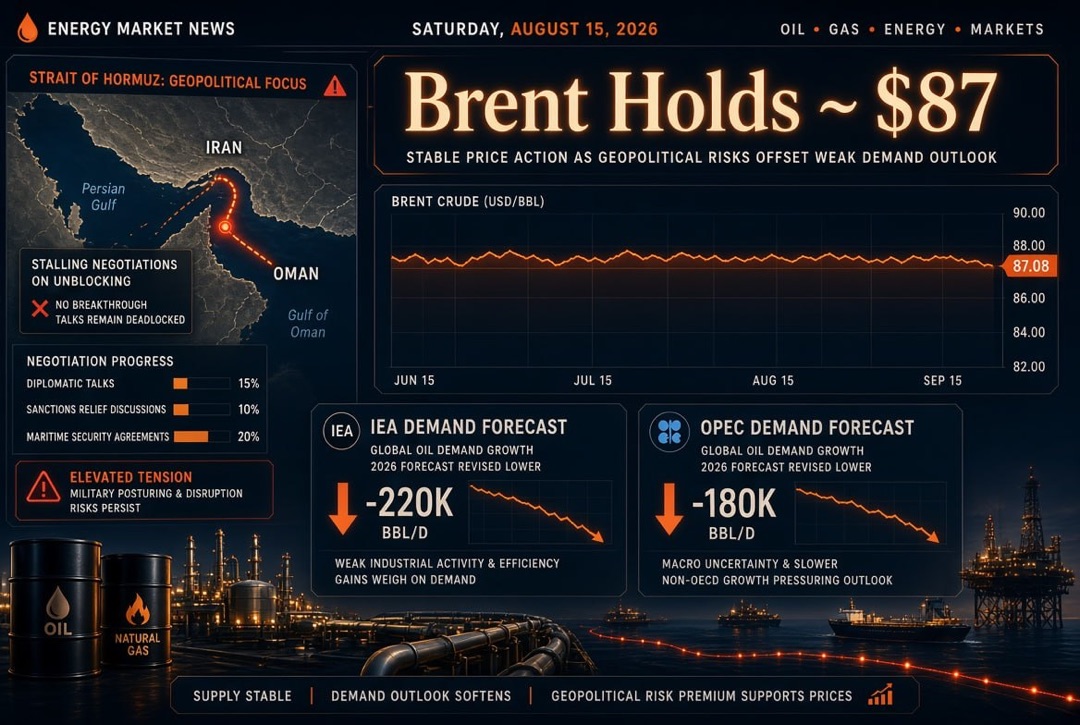
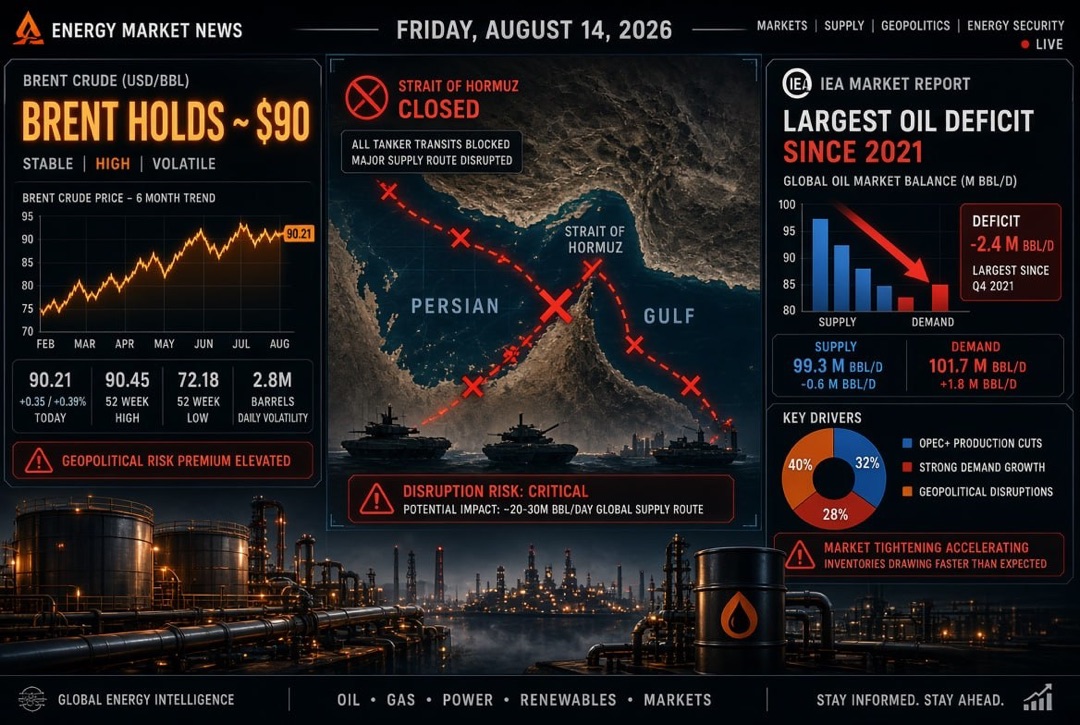
At 23:30 Moscow time, weekly oil inventory data from API will be published. For the oil market, this acts as a preliminary gauge ahead of the official EIA statistics due the following day. A decrease in inventories could support oil prices, especially if the market has already priced in high fuel demand and supply disruption risks. Conversely, an increase in inventories may exert downward pressure on oil prices.
For the MOEX index, the oil factor remains one of the key elements. Stocks of oil and gas companies, exporters, and transportation infrastructure are sensitive to the dynamics of Brent, Urals, petroleum products, and exchange rates. Investors should note that evening API data may impact Asian trading already on Wednesday morning, setting the tone for commodity assets.
Geopolitics: Putin's Visit to China and the Second Day of the G7 Meeting
The first day of Vladimir Putin's visit to China will be of considerable interest to investors monitoring Russian-Chinese economic cooperation. Potential discussion topics may include energy, infrastructure, trade, transactions in national currencies, industrial cooperation, and logistics. For the CIS market, this is particularly significant as any signals regarding the deepening economic ties between Russia and China could affect expectations for export flows, investments, and commodity contracts.
Concurrently, the second day of the G7 finance ministers and central bank governors' meeting will continue. This platform serves as a venue for discussing inflation, debt burden, currency stability, sanctions policy, energy security, and regulatory coordination among financial authorities. Even without concrete decisions, the rhetoric from G7 representatives can influence risk appetite, the dollar, gold, oil, and equity indices.
Corporate Reports from the U.S.: Home Depot, Baidu, Keysight, Toll Brothers, and CAVA
The corporate calendar for May 19, 2026, will also be eventful. Among the notable publicly traded companies that investors will be monitoring on Tuesday include Home Depot, Baidu, KE Holdings, Amer Sports, Eagle Materials, XP, Keysight Technologies, ZTO Express, Toll Brothers, Viasat, and CAVA. For the U.S. market, this represents an important cross-section across multiple sectors: consumer demand, real estate, technology, logistics, restaurants, and infrastructure.
Before Market Open, investors will focus on the reports from Home Depot, KE Holdings, Baidu, Amer Sports, Bilibili, and Eagle Materials. Home Depot is particularly significant as an indicator of household spending on repairs, construction, and home goods. The company's report will be compared with the U.S. real estate market data released on the same day. Baidu and Bilibili will provide insights into the Chinese internet sector, advertising, artificial intelligence, and digital consumption.
After Market Close, attention will turn to Keysight Technologies, Toll Brothers, ZTO Express, Viasat, and CAVA. Keysight is important for assessing demand for measurement equipment, telecommunication infrastructure, semiconductor solutions, and technology investments. Toll Brothers will showcase the state of the premium housing segment in the U.S. CAVA will act as an indicator of consumer activity in the restaurant sector and the ability of food companies to maintain margins amid rising costs.
Europe, Asia, and Russia: What Matters for the Global Investor
In the European market on May 19, investors will assess the Eurozone's trade balance, euro dynamics, and expectations for the European Central Bank's policy. Even if there are fewer major corporate reports from the Euro Stoxx 50 on this day compared to the U.S., European stocks will remain sensitive to macro data, bond yields, and global risk appetite.
In Asia, key themes will include Japan, China, and companies in the tech sector. Japan's GDP will influence expectations for the Nikkei 225, while reports from Chinese public companies, including Baidu, KE Holdings, and Bilibili, will provide insights into consumption, online advertising, the real estate market, and China's digital economy.
For the Russian market, MOEX's key factors on this day will include Putin's visit to China, oil prices, exchange rates, and external risk appetite. Russian investors will look not only at internal corporate news but also at the global landscape: the dollar's dynamics, U.S. yields, oil prices, signals from the G7, and demand for risk in global equities.
What an Investor Should Pay Attention to on May 19, 2026
On Tuesday, investors should act selectively, keeping in mind that the day encompasses macroeconomic publications, geopolitics, and corporate reports. The most important benchmarks to watch include:
- Japan's GDP — for assessing Asian growth, the Nikkei 225, and Bank of Japan policies.
- Eurozone Trade Balance — for understanding the state of European exports and industries.
- Canada's Inflation — for interest rate forecasting and currency markets.
- ADP Employment and Pending Home Sales in the U.S. — for evaluating the labor market, real estate, and consumer demand.
- Home Depot Report — as an indicator of the American consumer and the home goods sector.
- Reports from Baidu, KE Holdings, and Bilibili — as insights into China's digital economy and real estate market.
- Reports from Keysight, Toll Brothers, and CAVA — for assessing technology, housing construction, and restaurant demand.
- API Oil Inventories — as an evening driver for Brent, the oil and gas sector, and the MOEX index.
- Putin's Visit to China and the G7 Meeting — as factors impacting geopolitical premiums and global risk appetite.
The main takeaway for investors on May 19, 2026, is that the market will be testing several hypotheses at once — whether the resilience of the global economy persists, how strong consumer demand remains, if there are signs of inflation slowing down, and whether corporate earnings can justify high equity valuations. For portfolios, it’s essential to closely monitor the reactions of bonds, currencies, oil, and key equity indices, rather than solely focusing on the released figures.