Economic Events and Corporate Reports for Sunday, May 17, 2026: China Data, Fed Rate Expectations, Global Market Dynamics, and Key Investor Guidance
Sunday, May 17, 2026, finds global investors in a preparatory mode ahead of the new trading week. Major equity platforms — the S&P 500, Euro Stoxx 50, Nikkei 225, and MOEX — will not hold full-fledged trading sessions today, and the corporate reporting calendar remains limited. However, such days often set the investment tone: market participants assess the implications of Friday's sell-off, rising bond yields, oil price dynamics, inflation risks, and upcoming Chinese statistics.
For the CIS investor audience, the key significance lies not only in Sunday's economic events themselves but also in how they may impact global markets on Monday. The focus is on Chinese data for industrial production, retail sales, fixed asset investment, and unemployment, as well as reports from major public companies in the US, Asia, and Europe at the start of the week.
General Market Backdrop: After Record Highs, Markets Turn Cautious
Global markets approach May 17 after a volatile Friday session. US indices retreated from record levels: pressure intensified due to rising US Treasury yields, expensive oil, and concerns that inflation could once again become the main constraint on Fed policy. For investors, this signals a return to a more selective approach: the market is no longer willing to automatically buy the entire technology sector, even despite the strong artificial intelligence theme.
Key factors of the day:
- rise in 10-year and 30-year US bond yields;
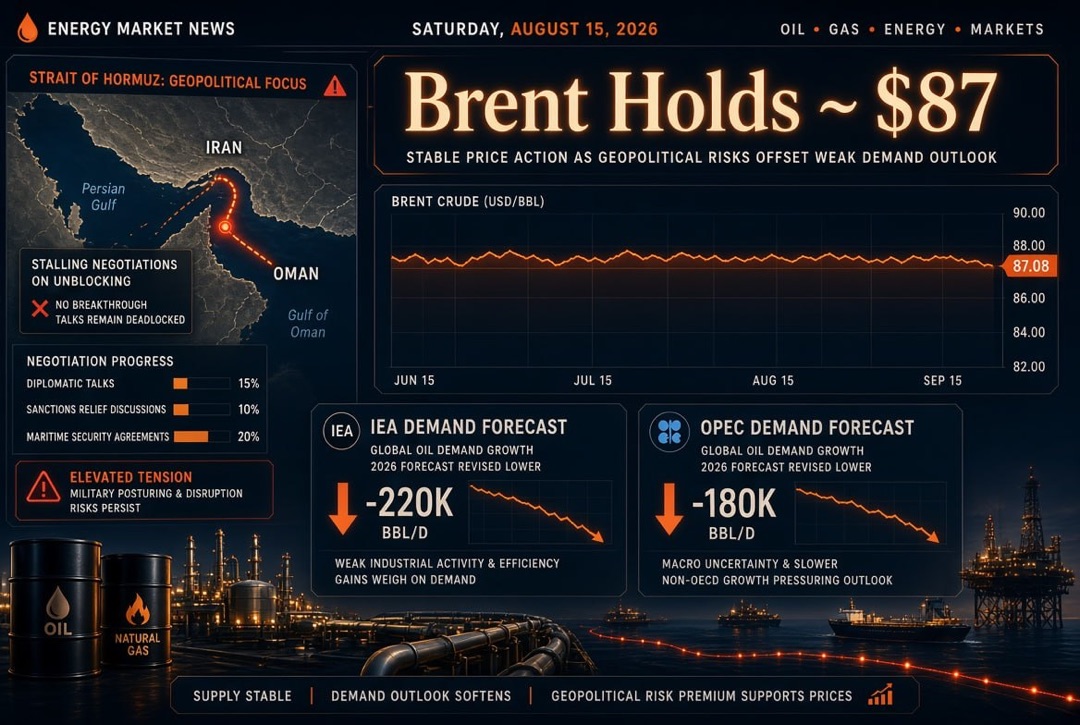
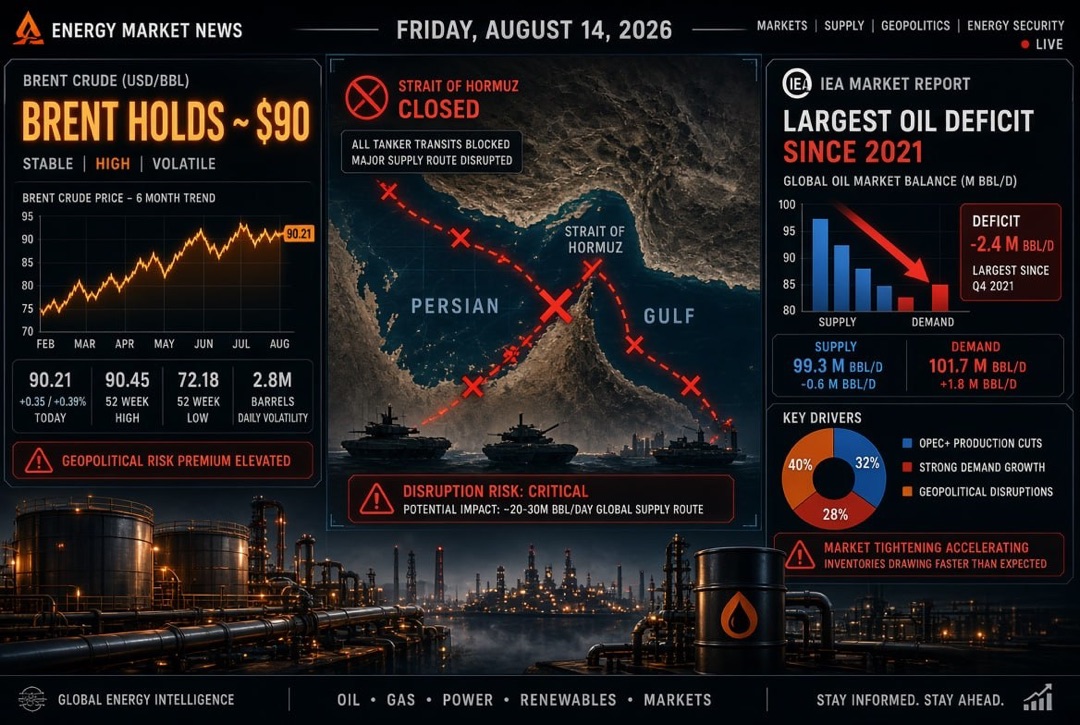
- persistence of high oil and energy commodity prices;
- caution ahead of China data release;
- anticipation of reports from major companies in the US, India, Japan, and Europe;
- interest in further Fed signals on rates and inflation.
Economic Events for Sunday, May 17, 2026
The macroeconomic calendar for Sunday appears formally quiet, but investors should consider time zones. Some important data is released during the night from Sunday to Monday in CIS time and can affect the Asian session, currency market, commodity prices, and global index futures.
Main Macro Data Block
- China: Industrial Production for April. This indicator is important for assessing demand for raw materials, metals, energy, and industrial equipment.
- China: Retail Sales for April. This indicator will show how resilient domestic consumption remains.
- China: Fixed Asset Investment. The data is important for understanding activity in infrastructure, real estate, and industry.
- China: Unemployment Rate. This indicator will help assess the labor market and consumer confidence.
For CIS investors, this data is especially important through commodity market channels: oil, gas, copper, steel, coal, and fertilizers are sensitive to expectations for Chinese industrial activity.
China: The Day's Main Macroeconomic Benchmark
The Chinese economy remains one of the key indicators for the global environment. If industrial production exceeds expectations, it could support commodity assets, shares of industrial companies, and currencies of resource-export-dependent countries. Weak data, on the other hand, will heighten concerns about global demand and could pressure metals, energy, and emerging markets.
Particular attention should be paid to retail sales. For investors, this is not just a consumption indicator but a signal of whether China can transition from an export and infrastructure growth model to more balanced domestic demand. If consumer activity remains weak, markets may again begin to price in expectations of additional support measures from Chinese authorities.
US: Focus on Yields, Inflation, and Fed Expectations
In the US, there are no key CPI, PPI, or employment releases on Sunday, yet the American market remains the primary source of global sentiment. Following the rise in bond yields, investors will assess how sustainable high valuations of technology stocks are and whether the market can continue to grow without rate cuts.
The main intrigue of the week is the Fed's further trajectory. High oil prices and signs of persistent inflation reduce the likelihood of rapid monetary policy easing. For the stock market, this means heightened sensitivity to any statements by Fed officials and to the minutes of the regulator's meeting, which will be one of the week's central events.
Europe and Japan: Investors Monitor Rates, Currencies, and Exports
European markets enter the new week with increased attention to inflation, industrial activity, and euro dynamics. For the Euro Stoxx 50, the banking sector, automotive industry, energy, and industrial goods producers remain important. With expensive oil, European companies face a dual challenge: rising costs and the risk of weaker consumer demand.
The Japanese market, via the Nikkei 225, will react to expectations for GDP, the yen exchange rate, and Bank of Japan policy. Strong Japanese economic data could support the financial sector and domestic demand but simultaneously strengthen expectations of tighter monetary policy. For exporters, yen dynamics are crucial: an overly strong currency could worsen profit forecasts.
Corporate Reports: No Major Releases on Sunday, But Monday Already Matters
On Sunday, May 17, no significant flow of corporate reports from major public companies is expected across the S&P 500, Euro Stoxx 50, Nikkei 225, and MOEX indices. However, investors should prepare in advance for Monday, May 18, when a more crowded release block begins.
Among the companies in focus for the upcoming earnings season:
- Baidu — Chinese technology sector, artificial intelligence, advertising, and cloud services;
- NTPC — Indian energy, electricity demand, and infrastructure investment;
- Tata Steel — metals, industrial cycle, and steel prices;
- Nidec — Japanese industry, electric motors, automotive components, and electronics;
- Lynas Corporation — rare earth metals and strategic raw materials;
- XP — financial services and investment activity in Latin America;
- Masimo — medical technology and demand in the healthcare sector;
- Solaria Energia — European renewable energy;
- Big Yellow Group — real estate and storage infrastructure in the UK;
- Salvatore Ferragamo — European luxury consumer sector.
For investors, these reports are important not only in themselves but also as indicators of demand in technology, energy, metals, finance, consumer sectors, and industry.
Russian Market and MOEX: Focus on Dividends, Oil, and the Rate
For the Russian market, Sunday is also a day of preparation. The MOEX index will be guided by the external backdrop, oil dynamics, the ruble exchange rate, expectations for the Bank of Russia rate, and corporate events of issuers. In the coming days, investors should monitor companies in the oil and gas sector, metals, banks, and consumer stories.
Elevated oil prices may support interest in certain oil and gas stocks, but the effect is not always straightforward: investors also assess taxes, export restrictions, logistics, currency revenue, and dividend policy. For the domestic market, inflation expectations and the further trajectory of the key rate are important.
Which Assets May Be Most Sensitive
The economic events of May 17, 2026, and data released during the night of May 18 may most strongly impact several asset groups.
- Oil and gas. Reaction will depend on China demand assessment and geopolitical risk premium in prices.
- Metals. Chinese industrial production is important for steel, copper, aluminum, and rare earth metals.
- Technology stocks. High bond yields increase pressure on expensive growth assets.
- Banking sector. Higher rates may support net interest income but increase credit risks.
- Emerging market currencies. They remain sensitive to the dollar, oil, and global risk appetite.
What an Investor Should Pay Attention To
On Sunday, May 17, 2026, an investor should view the day not as an empty calendar but as a portfolio tuning point before an important week. The main questions: will China confirm industrial demand resilience, will pressure on US bonds persist, will oil continue to fuel inflation expectations, and can corporate reports justify high stock valuations?
Practical focus for the next 24 hours:
- assess the share of growth stocks in the portfolio amid high yields;
- check exposure to oil, gas, metals, and commodity currencies;
- monitor Asian market reaction to Chinese statistics;
- prepare a list of companies whose reports may affect sector indices;
- do not ignore defensive assets if bond market volatility continues to rise.
The main takeaway of the day: Sunday, May 17 is a pause in trading, but not a pause in investment analysis. For CIS markets and global investors, the key will be the transition from evaluating last week to positioning ahead of new China data, reports from major public companies, and central bank signals.