Overview of Key Economic Events and Corporate Earnings for July 28, 2026: RBA Governor Speech, ADP Employment and US Trade Balance, Case-Shiller Index, CB Consumer Confidence and Richmond Fed Index, API Oil Inventories, Washington Talks and Sanctions Rhetoric. Q2 2026 Earnings Reports from S&P 500, Euro Stoxx 50, Nikkei 225, and MOEX.
Tuesday, July 28, 2026, marks the heaviest day of the week for US statistical releases and a peak day for corporate earnings. While the FOMC decision on Wednesday is formally the week's main event, the Open Market Committee begins its two-day meeting on Tuesday, and markets will receive the final batch of data capable of influencing the statement's tone. The convergence of macro statistics, geopolitics, and reports from dozens of issuers in the S&P 500, Euro Stoxx 50, and Nikkei 225 makes the session potentially volatile for equities, the dollar, and oil.
Economic Calendar for July 28, 2026 (Moscow Time)
- 06:00 — Australia: Speech by the Reserve Bank of Australia Governor.
- 15:15 — US: ADP Employment (weekly estimate).
- 15:30 — US: Trade Balance for June.
- 16:00 — US: S&P/Case-Shiller Home Price Index (May).
- 17:00 — US: Conference Board Consumer Confidence Index (July).
- 17:00 — US: Richmond Fed Manufacturing Index (July).
- 23:30 — US: Weekly API Crude Oil Inventories.
- Throughout the day — Washington: Meeting between Donald Trump and Volodymyr Zelenskyy; US President's address at the memorial service for Senator Lindsey Graham (designated as a terrorist and extremist by Rosfinmonitoring).
Asian Session: RBA Rhetoric
The day opens with a speech by the RBA Governor. For investors, the key takeaway is not so much the rate outlook but the assessment of inflation dynamics ahead of Australia's Q2 CPI release on Wednesday. Hawkish language would support the Australian dollar and, through it, the entire commodity currency bloc, while a focus on cooling domestic demand would add pressure on the AUD and mining stocks. Additional context comes from Rio Tinto's evening report: the "RBA rhetoric + commodities giant results" link sets the tone for iron ore and industrial metal prices.
United States: Labor Market, Foreign Trade, and Consumer Sentiment
- ADP Employment. A timely snapshot of private hiring. Sustained job creation would strengthen arguments for tighter Fed policy; a slowdown would fuel expectations of a pause and support long-dated Treasuries.
- Trade Balance for June. A key indicator of the tariff effect: markets assess whether import compression is continuing and how it impacts the Q2 GDP estimate due on Thursday.
- Case-Shiller Index. May home prices serve as a proxy for household wealth effects. Slower price growth amid high mortgage rates is negative for homebuilders and construction materials.
- CB Consumer Confidence and Richmond Fed Index. Two releases at 17:00 shape the demand picture: consumer sentiment matters for retail, cruise operators, and hospitality; the regional manufacturing index is key for the S&P 500 industrial block.
Geopolitics: Washington, Kyiv, and Sanctions Agenda
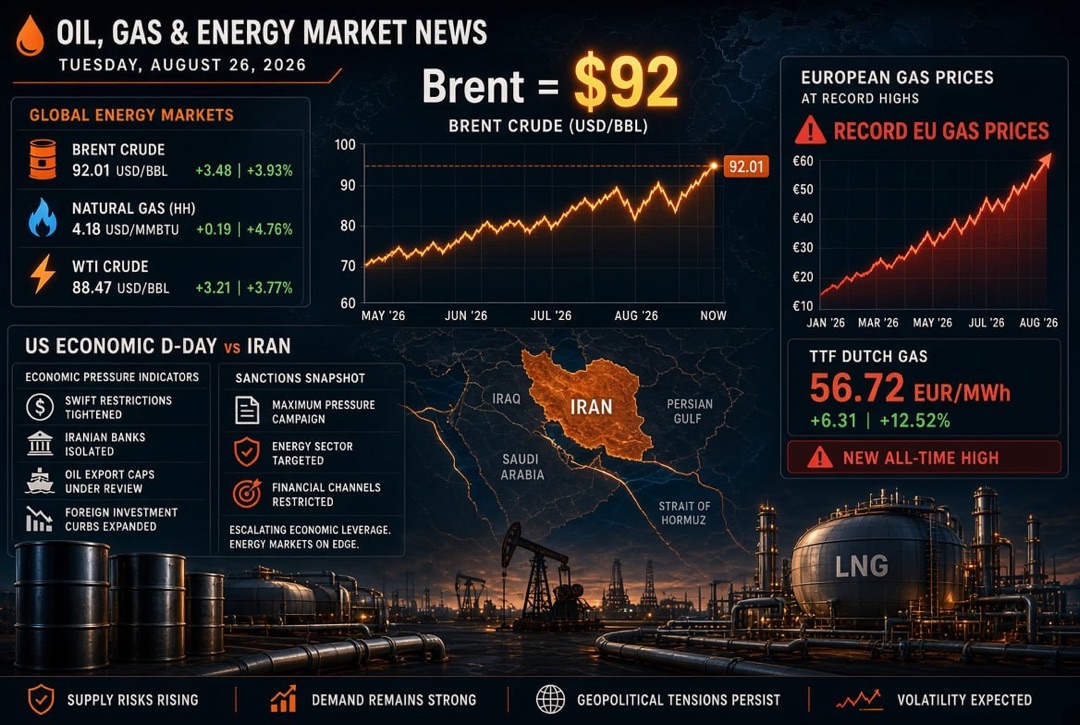
The meeting between Donald Trump and Volodymyr Zelenskyy, along with the US President's public remarks at the memorial ceremony, constitute the day's primary risk factor for Russian assets and the oil market. Any statements about expanding restrictive measures, including previously discussed "hell sanctions," could directly impact Brent crude, the ruble exchange rate, and the MOEX index. Investors should account for asymmetric reactions: tough rhetoric typically provides a short-term boost to oil and pressures ruble-denominated assets, while signals of progress in talks work in the opposite direction.
Oil: API Inventories and OPEC+ Context
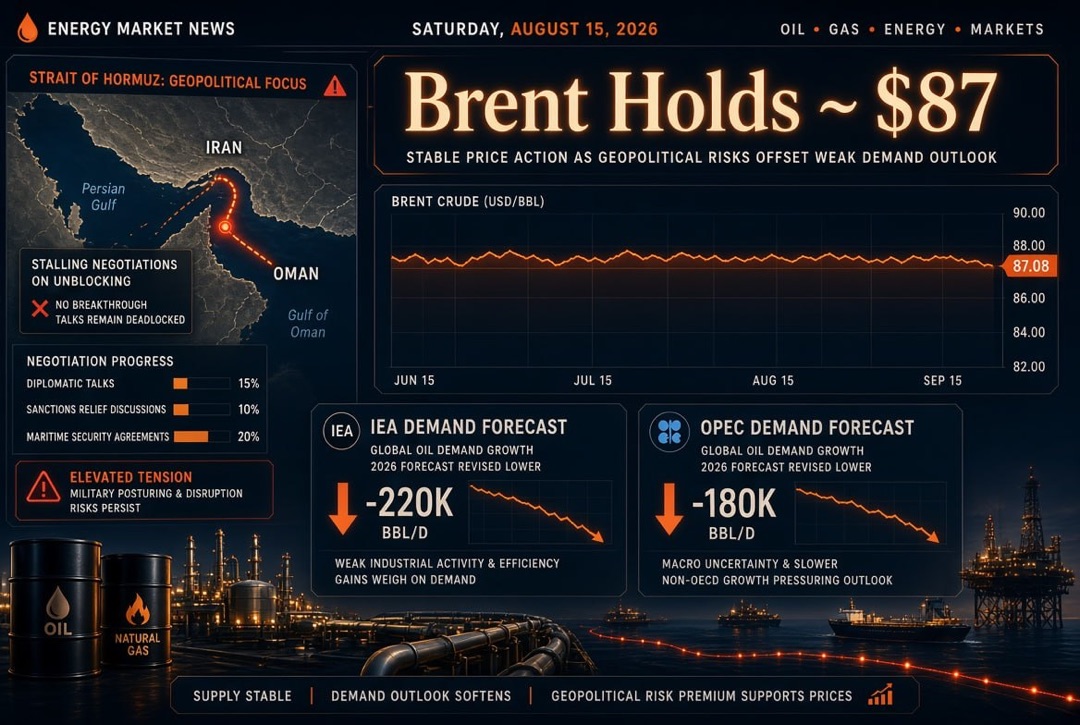
Late in the evening, the American Petroleum Institute releases its estimate of crude and product inventories—a preliminary guide ahead of the official EIA report on Wednesday. With Brent in the $70–75 per barrel range, markets are sensitive to deviations: a drawdown would confirm the resilience of summer demand, while a build would heighten oversupply fears ahead of the OPEC+ monitoring committee meeting on August 2, where another output quota increase is under discussion.
Corporate Reports Before US Market Open (BMO)
- Coca-Cola (KO) — organic revenue growth, price/mix, and the impact of a weak dollar on foreign earnings translation.
- Boeing (BA) — 737 MAX and 787 delivery rates, free cash flow, and order book status.
- Corning (GLW) — fiber optic demand from data centers and AI infrastructure.
- Unilever (UL) — sales volumes vs. pricing, emerging market dynamics.
- Air Liquide (AI) — industrial gas margins and European capacity utilization.
- S&P Global (SPGI) — ratings and index business revenue as a barometer of debt market activity.
- Sherwin-Williams (SHW) — demand in US housing construction and renovation.
- Royal Caribbean (RCL) and Hilton (HLT) — occupancy, average spending, and fall bookings: a direct test of consumer sentiment.
- PayPal (PYPL) — total payment volume, active accounts, and transaction margins.
Corporate Reports After Market Close (AMC)
- Visa (V) — the evening's highlight: payment volumes and cross-border transactions serve as a leading indicator of global consumer spending.
- Ford Motor (F) — EV profitability, warranty costs, and 2026 earnings guidance.
- Rio Tinto (RIO) — half-year results, mining costs, and dividend policy.
- Mondelez (MDLZ) — the impact of high cocoa prices on gross margins.
- NXP Semiconductors (NXPI), KLA (KLAC), Teradyne (TER), Seagate (STX) — four cross-sections of the semiconductor cycle: automotive chips, manufacturing equipment, testing, and data storage.
- Waste Management (WM) — pricing in services as an indicator of persistent inflation.
- Bloom Energy (BE) — fuel cell orders for data center power supply.
Euro Stoxx 50, Nikkei 225, and MOEX: Global Context
For Europe, Tuesday provides a snapshot of the consumer and industrial sectors: Unilever, Air Liquide, and NXP offer insight into European business margins amid a strong euro and the ECB's deposit rate of 2.25%. In Asia, Japan's Q1 FY2027 earnings season continues, with the yen's movement remaining a key driver of Nikkei 225 exporters' profits. In Russia, IFRS reporting for the first half of 2026 is just beginning; the bulk of MOEX index issuers' releases will come in August, with domestic drivers including the key rate trajectory after its reduction to 14.00% per annum and weekly inflation data.
Day Summary: Key Points for Investors
- Macro block 15:15–17:00. Three consecutive releases form the final information input before the FOMC decision. A surprise in consumer confidence or ADP could shift expectations for the September meeting.
- Guidance quality matters more than the beat. With the season's beat rate at 86% for earnings and 80% for revenue, markets penalize even companies that beat consensus but offer cautious second-half guidance.
- Evening trio: Visa + Ford + Semiconductors. These are three independent indicators—consumer, industrial, and tech cycle. Their combined tone will set the direction for S&P 500 futures on Wednesday.
- Geopolitical risk. Sanctions rhetoric from Washington warrants a separate position limit for oil, the ruble, and exporter stocks.
- Risk management. Ahead of the Fed meeting, it is prudent to hold an elevated cash allocation, predefine exit levels, and use limit orders: the overlap of earnings and macro data raises the likelihood of gaps at Wednesday's open.
Tuesday, July 28, brings no central bank decisions but concentrates the maximum amount of information on which markets will reassess expectations the very next day. Discipline, regional diversification, and attention to company guidance—rather than one-off quarterly numbers—remain an investor's chief tools on such a day.