Economic Events and Corporate Reports on May 25, 2026. Closed Markets in the USA, UK, Hong Kong, and Switzerland, Corporate Reporting from Global Companies, Global Investment Trends, and Key Milestones for Investors
Monday, May 25, 2026, opens an unusual week for investors: the largest Western exchanges are partially absent from the global trading cycle due to holidays, and liquidity in global markets will be noticeably lower than usual. In the USA, the stock market is closed for Memorial Day, there are no trades in the UK due to the Spring Bank Holiday, the Hong Kong exchange is closed for the holiday, and Switzerland is also not trading. For CIS investors, this means a day of limited activity in American and British stocks, while maintaining attention to Asia, continental Europe, commodity markets, currencies, and corporate reporting from jurisdictions that remain open.
The main feature of the day is the absence of significant macroeconomic publications in the USA and a reduced flow of corporate news from the S&P 500 index. However, this does not render the day void: investors will assess the geopolitical backdrop, dynamics of oil, the dollar, bond yields, inflation expectations, and upcoming reports from major corporations later in the week. Monday effectively becomes a positioning day before a busier part of the week, when the market will receive data on inflation, consumer activity, GDP, durable goods orders, and corporate results from technology, consumer, and industrial companies.
Global Trading Calendar: Which Markets are Closed on May 25
A key factor of the day is the holiday closures across several major financial venues. This reduces trading volumes, increases sensitivity to individual news, and may amplify volatility in the markets that continue to operate.
Major Trading Closures on May 25, 2026
- USA: Stock and bond markets are closed for Memorial Day.
- UK: The London Stock Exchange is closed due to Spring Bank Holiday.
- Hong Kong: No trading due to the holiday.
- Switzerland: The market is closed, limiting activity in defensive European assets.
For global investors, this means that proper signals regarding the US stock market, the S&P 500, Nasdaq, and Dow Jones indices will only emerge on Tuesday, May 26. Futures, the currency market, and some commodity instruments may react to news but without the full depth of the American cash session.
USA: No Trading, But Focus Remains on Inflation and Federal Reserve Rates
The American market is on pause on May 25; however, investors do not set aside the key question of the week—the trajectory of inflation and the future policy of the Federal Reserve. The main interest shifts to the following days when the market will be awaiting data on consumer spending, the PCE index, durable goods orders, the housing market, and GDP revisions for the first quarter.
For CIS investors, it's important to note that the absence of trading in the USA does not negate the influence of American macro statistics on global assets. The dollar, oil, gold, emerging market stocks, and fixed income instruments will remain dependent on expectations regarding the Fed's rate. If the market continues to price in a tighter monetary policy, pressure may persist on tech stocks, commodity currencies, and high-risk assets.
Europe: Closed UK and Reduced Liquidity
In Europe, Monday also proceeds with reduced activity. The UK is closed, which lowers liquidity in European financial instruments, especially in the banking sector, commodity companies, insurance, and global depositary receipts. However, continental Europe remains an important observation zone for investors as the market continues to assess inflationary pressures, weaknesses in the industrial cycle, and the resilience of corporate profits.
The Euro Stoxx 50 index at the beginning of the week will depend not so much on local reports from Monday but on expectations regarding inflation, energy prices, and the future policy of the European Central Bank. Investors must consider three key questions:
- Is there sustained pressure on European industry due to high energy prices and weak demand?
- How resilient are the profits of banks and exporters?
- Will the ECB be prepared for softer policies in light of persistent inflation risks?
Asia: Attention to India, Japan, and China Amid Closed Hong Kong
The Asian session on May 25 appears heterogeneous. Hong Kong is closed, limiting activity in Chinese technology and consumer stocks; however, investors continue to monitor Japan, India, mainland China, and other regional venues. For the Nikkei 225 index, the yen's exchange rate, inflation expectations in Japan, and the prospects of the Bank of Japan's policy remain significant.
The Indian market, on the other hand, is one of the focal points for corporate reporting of the day. Major companies from the energy, pharmaceuticals, and consumer sectors are in the spotlight for investors. India is still viewed as one of the key growth markets in Asia, meaning reports from large Indian issuers could be important not only for local investors but also for globally recognized funds dealing in emerging markets.
Corporate Reports on May 25: Major Companies Outside S&P 500
Due to the closure of the American market, reports from large companies in the S&P 500 on Monday effectively take a back seat. The main flow of results shifts to Tuesday, Wednesday, and Thursday. However, the global calendar for May 25 includes several notable public companies from Asia, Europe, the USA, and Latin America.
Major Companies to Watch on May 25
- NTPC: An Indian energy company, one of the key players in India's electricity sector. The report is crucial for assessing electricity demand, capital expenditures, and energy infrastructure.
- Divi’s Laboratories: A large Indian pharmaceutical company. Results may signal pricing power for pharmaceutical exports and demand for active pharmaceutical ingredients.
- Meituan: A Chinese technology and consumer platform. Despite the closed Hong Kong market, investors will consider expectations for revenue, profitability, and competition in the Chinese internet sector.
- Trip.com: An online travel platform sensitive to the recovery of consumer spending, international travel, and the dynamics of Asian tourism.
- Pharma Mar: A Spanish biotechnology company of interest to investors in the European healthcare sector.
- Salvatore Ferragamo: An Italian representative in the luxury segment, whose report may indicate the state of demand for premium goods in Europe, the USA, and Asia.
- Veris Residential: An American company in the real estate sector important for evaluating the sensitivity of the REIT segment to rates and rental demand.
- American Woodmark: A manufacturer of kitchen and interior products linked to the housing market and consumer spending in the USA.
- Sao Martinho: A Brazilian agri-industrial company sensitive to sugar, ethanol, and agricultural commodity prices.
For investors, these reports are important as a cross-section across several sectors: energy, pharmaceuticals, internet platforms, tourism, real estate, consumer demand, luxury, and agricultural commodities. In the context of closed markets in the USA and the UK, such regional corporate signals may provide the basis for preliminary assessment of market sentiment at the beginning of the week.
Russian Market and MOEX: Local Focus on Oil, Ruble, and Dividend Expectations
For the Russian market on May 25, the primary reference is the external environment: oil prices, ruble exchange rate, expectations regarding the Central Bank's rate, budget parameters, and dividend stories from the largest issuers. Against the backdrop of closed markets in the USA and the UK, the activity of foreign indicators will be limited, so the MOEX index may react more strongly to local news and commodity dynamics.
Investors should pay attention to three groups of Russian assets:
- Oil and gas sector: Sensitive to oil prices, export restrictions, tax burden, and dividend expectations.
- Banks: Dependent on expectations regarding the key rate, the quality of the loan portfolio, and demand for corporate financing.
- Metallurgists and exporters: Responding to the ruble's exchange rate, global commodity prices, and demand from China.
Even in the absence of significant global trading signals, the Russian market can remain active due to internal corporate news, dividend decisions, and reassessment of expectations regarding monetary policy.
Commodity Markets: Oil, Gold, and the Dollar as Main Risk Indicators
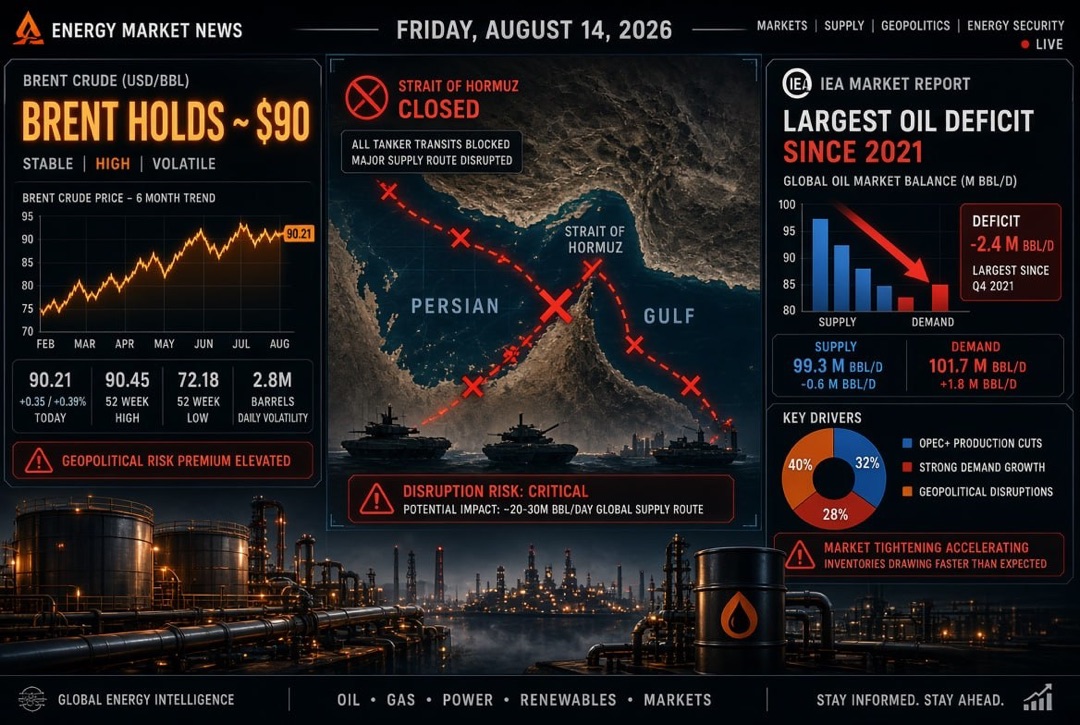
Commodity markets on May 25 will be one of the few directions where investors continue to seek signals about global risk appetite. Oil remains a key asset for CIS countries, the Russian stock market, currencies of emerging markets, and energy companies. Any news about geopolitics, supply, inventories, and demand could affect expectations regarding the oil and gas sector.
Gold retains its role as a safe-haven asset, especially if investors fear inflation growth, instability in the Middle East, or a tighter stance from central banks. The dollar, in turn, remains the primary indicator of global liquidity: a strengthening American currency typically pressures commodity prices, emerging market stocks, and high-risk fixed income instruments.
What a Day of Low Liquidity Means for Investors
Monday, May 25, is not a day for aggressive decisions but rather a day of preparation. With the markets in the USA, UK, Hong Kong, and Switzerland closed, it's vital for investors not to overestimate movements in a thin market. Low liquidity can create false signals: individual price jumps do not always reflect a full consensus among large institutional players.
Practical Approach for the Day
- Avoid drawing conclusions about the global trend solely based on Monday's movements;
- Look at futures, currencies, and commodities as preliminary indicators;
- Evaluate company reports in the context of their sector, rather than in isolation;
- Prepare for more significant statistics in the second half of the week;
- Monitor news on inflation, rates, oil, and corporate forecasts.
What Investors Should Focus on at the End of the Day
By the end of Monday, investors should formulate an analytical, not a trading conclusion: how markets enter a new week after the holiday pause, where demand for risk remains, which sectors appear stable, and which assets may come under pressure after the return of American and British participants.
Key milestones for investors:
- Liquidity: Monday’s movements should be cautiously assessed due to the closure of major venues.
- Inflation: Key data for the week will be released later, but expectations will already impact bonds, the dollar, and growth stocks.
- Corporate Reporting: On May 25, Asian, European, and certain American companies outside the main US session are particularly important.
- Commodities: Oil and gold remain indicators of geopolitical risk and inflation expectations.
- Russian Market: Focus on the ruble, oil, dividends, and expectations regarding the Central Bank's rate.
Thus, economic events on May 25, 2026, shape a day of strategic pause for investors. Global markets do not provide complete signals due to holiday closures, but it is precisely on such days that it is important to prepare for upcoming publications, reassess risk profiles in portfolios, and determine which assets may benefit or suffer after full liquidity returns. For the audience of investors from the CIS, the key takeaway is straightforward: Monday should be used for analysis, rather than hasty decisions.