Global Investment Calendar for March 8, 2026: Economic Events, US Inflation Expectations, Signals from China, and Corporate Earnings of International Companies
Sunday, March 8, 2026, marks a day of low equity liquidity as major US and European markets operate in "weekend" mode and will resume full trading on Monday. This shifts investors' focus to two key areas: (1) political and economic signals from Asia, particularly China, and (2) expectations surrounding key macroeconomic statistics for the upcoming week, where the primary topic remains US inflation and its impact on the Federal Reserve’s interest rate trajectory and global risk appetite. Additional context is provided by commodity markets: sharp movements in oil prices raise inflation expectations and increase volatility in currency pairs and bonds.
Market Context: Oil, Inflation Expectations, and Risk Appetite
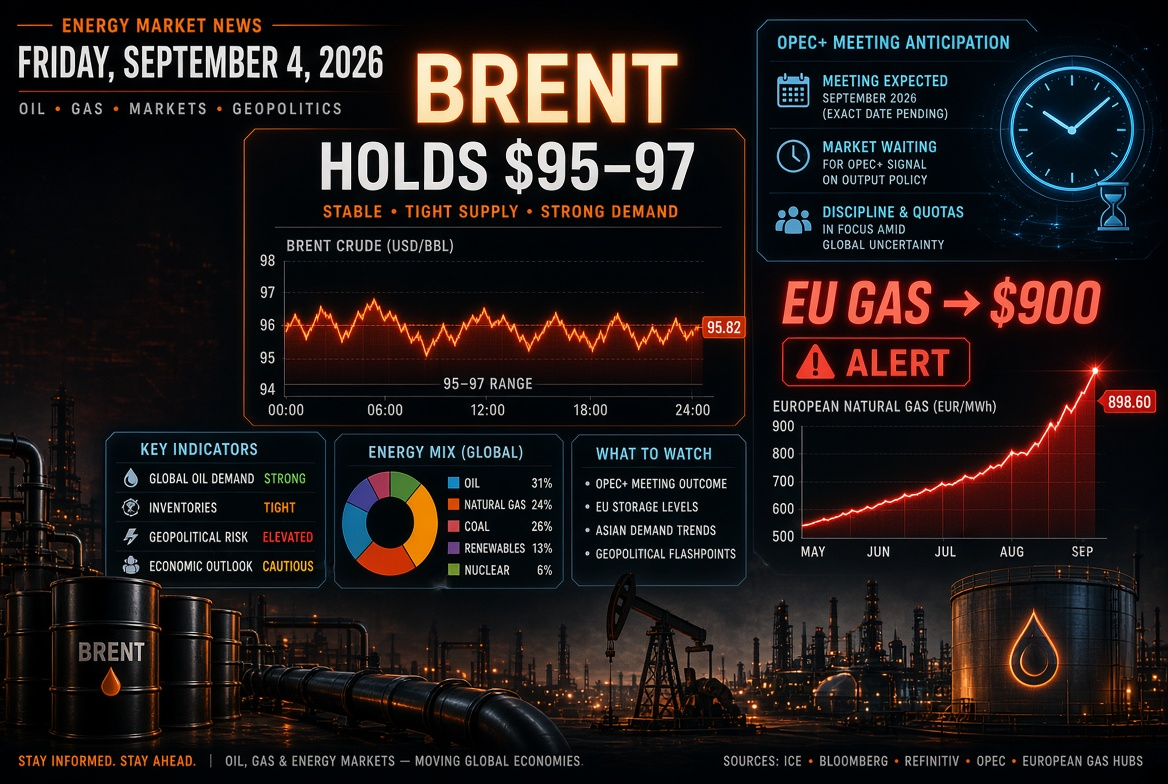
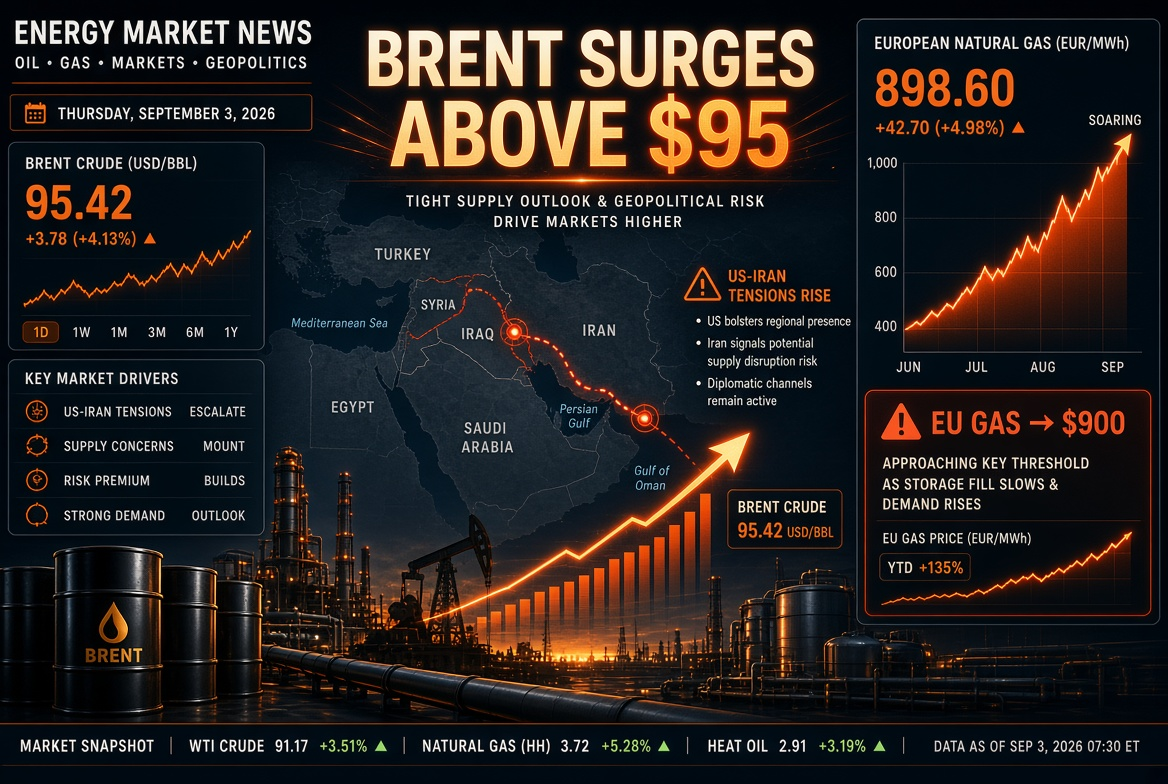
- Oil and Inflation: Fluctuations in Brent prices intensify discussions regarding the "secondary" inflation effect (logistics, fuel, company costs), which is critical for assessing future central bank policies. Amid Middle Eastern risks and news of production cuts by certain producers, the oil market remains nervous.
- Rates and Bonds: Rising inflation expectations typically push yields higher, making interest-sensitive sectors of the stock market (technology and "growth" stories in the S&P 500) more volatile.
- Global Indices: It is important for investors to assess the synchronization of movements in the S&P 500, Euro Stoxx 50, and Nikkei 225: in a "thin" market on weekends, futures and currencies react more significantly than cash equities.
Economic Events of the Day: Asia in the Spotlight
This Sunday is characterized by an absence of mass macroeconomic data releases, but March 8 stands out with a significant political and economic event in China: the National People’s Congress (a key stage in the political cycle traditionally accompanied by signals regarding growth priorities, fiscal policy, and industrial support).
Why this is important for the markets:
- Commodities and Industry: Any hints regarding infrastructure and industrial stimulus will impact expectations for demand for energy resources and metals, which is crucial for exporters and energy sector companies.
- Currencies and Risk: Rhetoric surrounding growth/stability may influence sentiment in the Asian block and, subsequently, global risk appetite.
- Supply Chains: China's priorities concerning technology and manufacturing are sensitive for companies in the Nikkei 225 and Euro Stoxx 50 indices, as well as for commodity narratives.
Market Mode on the Weekend: Where the "Price of Expectations" is Formed
- Stocks: The cash sections of the stock exchanges in Europe and the US are generally oriented towards trading from Monday to Friday; therefore, on Sunday, the primary flow of reassessment comes through expectations and news rather than transaction volumes in the market.
- Futures, FX, and Commodities: This is where investors often reposition themselves based on upcoming data (inflation, rates, oil), which then impacts the opening of the week.
- Cryptocurrencies: This asset class trades 24/7, and therefore on Sunday often serves as a "barometer" of global risk for part of the audience.
Corporate Earnings: Who Reports on March 8, 2026
Limited reporting publications are scheduled for Sunday; however, a significant European issuer is noted in the calendars:
- UBS Group AG (Europe): Publication of the report (Annual 2025). For the markets, this is important as a signal regarding the state of the banking sector, dynamics of commission income, asset quality, and corporate/investment banking, which influences the financial segment of the Euro Stoxx 50 and overall risk appetite in Europe.
For the main markets on this day, the picture is as follows:
- US (S&P 500): There are typically significantly fewer major planned earnings reports on Sunday, with the bulk of releases shifting to weekdays.
- Europe (Euro Stoxx 50): The key event is UBS; other "heavyweights" tend to report in the middle of the week.
- Japan (Nikkei 225) and Asia: Most major companies adhere to a weekday window for reporting; significant releases are expected in the upcoming week.
- Russia (MOEX): On weekends, reports from large public companies are rarely published; its practical significance lies in preparing for the week ahead, monitoring oil, currencies, and external context.
Important Reports in the Upcoming Working Days: What to Look For After the Weekend
For investors, it is logical to use Sunday as a "preparation point" for the dense flow of reports in the upcoming week. Calendars for the next few days, particularly around March 9–12, highlight major names (some of which are related to the US and Europe):
- Shell (energy) — important for assessing cash flow, dividends/buybacks, and sensitivity to oil.
- Adobe (technology) — a demand indicator for software and corporate budgets, sensitive to rates.
- Deutsche Bank, BMW, RWE and other European issuers — expand the picture across cyclical sectors and finance.
These releases help connect macroeconomic factors (rates/inflation) and the microeconomics of companies through margins, forecasts, and capital expenditures.
Macro Focus for the Next Week: US Inflation as a Key Driver
On the horizon of the week, markets are focusing on inflation publications in the US and their interpretation by the Federal Reserve: maintaining a "tight" inflation profile increases the likelihood of a prolonged period of high rates and puts pressure on stock multiples, while cooling inflation supports risk assets. In "week ahead" reviews, it is emphasized that US inflation data is a central event against a backdrop of geopolitical risks and energy fluctuations.
Risks and Scenarios for Investors: How to Read the Signals on March 8
- Scenario "oil up — rates higher for longer": supports commodity companies and some exporters, but pressures consumer sectors and "growth" stories.
- Scenario "China stimulus": positive for industrial metals, logistics, and cyclical sectors, with potential strengthening of demand for energy resources.
- Scenario "inflation below expectations" (for the week): improves sentiment for stocks, lowers yields, supports segments of the S&P 500 sensitive to rates.
Key Considerations for Investors Today
On Sunday, March 8, 2026, the primary task for investors is not to "chase" market movements in stocks (liquidity is limited), but to establish a plan for the week. Key points include signals from China surrounding the National People’s Congress, oil dynamics as an inflation expectation factor, and isolated reports, with UBS standing out. The focus will quickly shift to US inflation and major corporate earnings in the US and Europe — these will set the direction for the S&P 500, Euro Stoxx 50, Nikkei 225, and indirectly for sentiment on the MOEX through oil, currencies, and global risk appetite.