Key Economic Events and Corporate Reports on March 24, 2026, Including PMI of Major Economies, U.S. Employment, and the Oil Market
On March 24, investors will gain an early insight into economic activity across several key regions. Preliminary PMIs often shape the first market impressions of the quarter ahead of official GDP, industrial, and labor market statistics. This is particularly critical for stocks, bonds, currencies, and commodities during periods when the market seeks to assess whether the global economy is slowing or maintaining resilience.
- For equities, signals regarding demand, new orders, and business confidence are crucial.
- For bonds, it is critical whether PMIs intensify expectations about central bank rates.
- For oil and commodities, estimates of manufacturing activity and API evening data are significant.
- For the currency market, a comparative balance between the U.S., Europe, and Asia is important.
Economic Events in Asia: The Start of Trading Day Sets the Early Tone
The session kicks off in Asia and Australia. Preliminary PMIs for manufacturing, services, and composite activity will be released in the morning Moscow time.
- Australia - Manufacturing PMI, Services PMI, Composite PMI for March (preliminary data).
- Japan - Manufacturing PMI, Services PMI, Composite PMI for March (preliminary data).
- India - Manufacturing PMI, Services PMI, Composite PMI for March (preliminary data).
These data points are significant for investors for several reasons. Australia provides signals for segments sensitive to commodities and China. Japan helps assess the state of the export cycle, industrial demand, and the resilience of the domestic economy. India remains one of the key growth centers among major emerging markets, so strong PMIs could bolster interest in risk assets broadly.
If Asian PMI indices reflect improvements in manufacturing and services, this could create a positive backdrop for cyclical stocks, industrial metals, energy, and a broad index of emerging market equities. Conversely, weak values may heighten caution and demand for safe-haven assets.
Europe: Germany, Eurozone, and the UK Provide Crucial Signals for the Western Economy
The European bloc's statistical releases will be the central event of the first half of the day. The market will get March's preliminary PMIs for Germany, the Eurozone, and the UK. Investors will seek answers regarding the sustainability of the recovery in services and any signs of stabilization in manufacturing.
- Germany - a key indicator of the state of Europe’s industrial core.
- The Eurozone - an overall gauge of business activity in the region's largest currency bloc.
- The UK - an essential benchmark for the service economy and domestic demand.
For European equities, the most significant aspects are the components of new orders, employment, and prices. If PMIs in Germany and the Eurozone exceed expectations, this could support the Euro Stoxx 50, the banking sector, industrial companies, and the euro. If the indicators point to renewed weakness in manufacturing, investors may pivot toward more defensive stories and a softer monetary policy trajectory.
The U.S.: Focus on PMIs, Employment, and Manufacturing Momentum
American statistics in the second half of the day will provide a comprehensive overview of the largest economy in the world. The focus will be on:
- ADP Employment Pulse - a timely signal regarding private employment in the U.S.
- Manufacturing PMI, Services PMI, Composite PMI for March - preliminary activity estimates.
- Richmond Manufacturing Index for March - a regional indicator of industrial conditions.
For the S&P 500 and the global equity market, the balance between demand resilience and overheating risk is particularly important. Strong PMIs in the U.S., along with a confident labor market, would bolster scenarios of economic resilience, favoring banks, industrials, mid-cap technologies, and the consumer sector. However, overly strong data could amplify concerns that rate cuts may be delayed longer than the market anticipated.
Conversely, weak business activity figures may support bonds but exert pressure on cyclical sectors. This is particularly crucial for CIS investors, as U.S. interest rate dynamics and risk appetite directly impact the capitalization of global commodity, financial, and technology companies.
Oil and Energy: Evening Focus on API Inventories
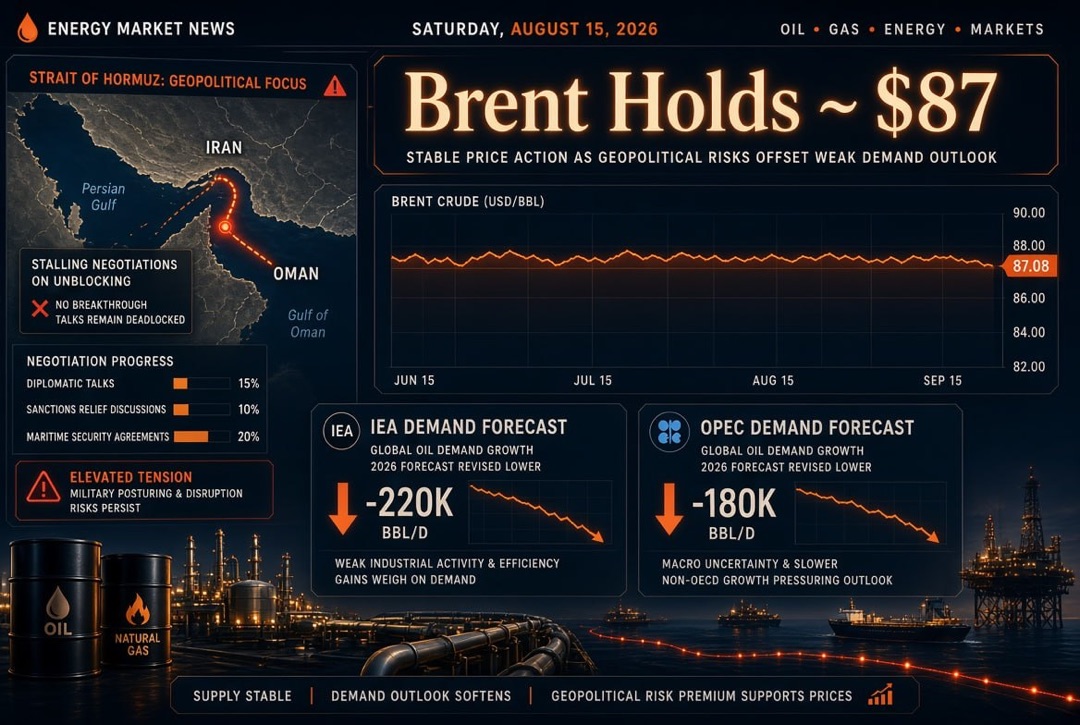
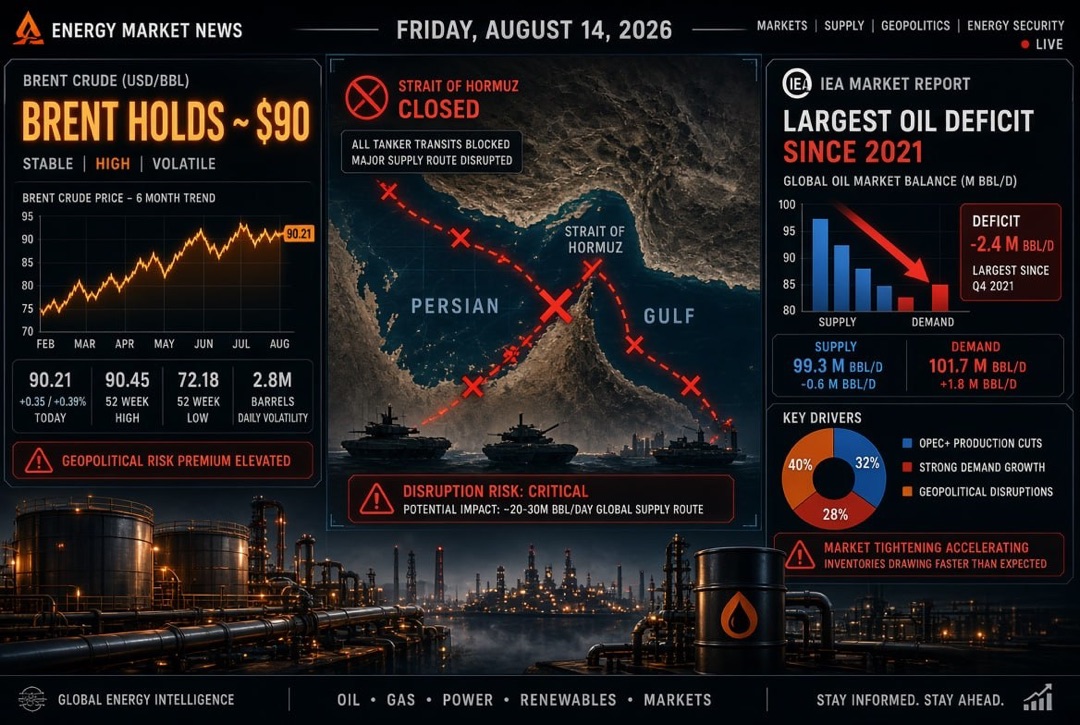
Late in the evening, the market will receive API data on oil inventories in the U.S. This release is traditionally viewed as a preliminary guide ahead of the official inventory statistics. For the oil market, it is significant not only in isolation but also in conjunction with PMIs from the U.S., Europe, and Asia.
- An increase in inventories may be perceived as a sign of weaker demand or a temporary oversupply.
- A decline in inventories, especially alongside strong PMIs, typically supports oil prices and energy company stocks.
- For currencies of commodity-exporting countries and oil and gas sector stocks, the combination of macroeconomic factors and inventory levels is crucial.
If business activity indices indicate sustained global demand, and API data reveal a reduction in inventories, the energy sector could gain additional momentum. For oil, gas, oil service, and refining companies, this will serve as an important short-term valuation driver.
Corporate Reports in the U.S.: Who is Shaping the Agenda
On March 24, notable reports among American public companies include GameStop, Smithfield Foods, Core & Main, AAR, KB Home, Concentrix, Braze, Worthington Enterprises, and several mid-cap firms.
- GameStop - an indicator of the high-beta retail and speculative market segment.
- Smithfield Foods - important for assessing consumer demand and margins in the food sector.
- Core & Main - reflects investment in infrastructure and industrial demand.
- AAR - a gauge of activity in the aviation and service-related industrial segments.
- KB Home - one of the most useful benchmarks for the U.S. housing market.
- Concentrix and Braze - signal corporate spending and digital services trends.
Investors will be focused not only on the results themselves but also on management's commentary regarding orders, margins, consumer demand, housing demand, and customer resilience. The construction and consumer behavior segments may be particularly sensitive, as they directly influence expectations for the U.S. cycle.
Europe and Asia: Major International Companies Reporting Results
The day is also packed in the European and Asian segment. Among the notable companies whose publications may impact sector sentiment are Kingfisher, Bellway, Keller Group, Fevertree Drinks, Gamma Communications, MTU Aero Engines, Xiaomi, China Telecom, Nongfu Spring, and several other issuers.
- Kingfisher and Bellway - important for assessing the state of the British consumer and the building cycle.
- MTU Aero Engines - an indicator of demand in Europe's aerospace industry.
- Xiaomi - an important marker for demand in electronics, smartphones, and ecosystem services.
- China Telecom - a benchmark for the telecom sector and capital spending in China.
- Nongfu Spring - a marker of the state of China's consumer segment.
For Euro Stoxx 50 and Nikkei 225, these publications are significant not just as local stories. They provide insights into the breadth of demand, household spending resilience, industrial recovery, and the quality of corporate forecasts for 2026.
The Russian Market and the Investor’s Perspective from the CIS
For CIS investors, the day will be critical primarily through the external contour: the trajectory of PMIs worldwide, the state of the U.S. economy, the reaction of oil markets, and the behavior of global indices. In the Russian market, the impact of such releases often flows through commodity companies, exporters, the banking sector, and the overall risk sentiment in emerging markets.
If the external backdrop proves constructive, stocks sensitive to the economic cycle and commodity demand may receive support. Conversely, if the PMIs disappoint and the U.S. market shifts to a defensive mode, pressure may extend to a broad range of risk assets. For MOEX, this is particularly evident in stocks tied to oil, metals, transportation, and domestic demand.
What Investors Should Focus on at the End of the Day
The key task for investors on March 24 is not just to track individual releases but to assess the overall picture. The day presents a rare opportunity to compare business activity rates in Asia, Europe, and the U.S. almost within the same trading cycle, followed immediately by checking how this aligns with corporate reporting and oil dynamics.
- Is global growth sustained, or is the world economy losing momentum?
- What has a stronger impact on the market: demand resilience or rate concerns?
- Do corporate reports confirm the PMI signals at the business level?
- Will oil support the energy sector after the API data?
The main takeaway for investors on Tuesday, March 24, 2026, is that it serves as a day for early diagnostics of the global economy. Strong PMIs combined with confident corporate commentary could reinforce faith in continued profit growth and support cyclical assets. Conversely, weak macro indicators may heighten caution, increased interest in defensive sectors, and compel the market to evaluate risks to company profits more closely in the second quarter. Therefore, investors should look not at a single indicator, but across the entire chain: Asia, Europe, the U.S., earnings, oil, and the market's reaction to the collective signal.