Economic Events and Corporate Reports for Tuesday, July 21, 2026: New Zealand CPI, UK Unemployment, ZEW Indices, ADP Data, API Oil Stocks, and Major Public Company Results
On Tuesday, July 21, 2026, global markets will receive several important signals regarding inflation, employment, and business expectations. The Asian session will kick off with the New Zealand Consumer Price Index (CPI) for the second quarter. In Europe, investors will assess the UK labor market and the July ZEW Economic Sentiment Indices for Germany and the Eurozone. In the afternoon, attention will turn to the weekly ADP employment estimate in the United States, and late in the evening to preliminary API data on US oil inventories.
The corporate calendar is also packed: results will be reported by Novartis, General Motors, 3M, Charles Schwab, Danaher, Northrop Grumman, Halliburton, Capital One, and Chubb. For investors from the CIS countries, this day will serve as an indicator of inflation, consumer demand, credit quality, and the industrial cycle.
Key Economic Events Calendar for July 21, 2026
- 01:45 Moscow Time — New Zealand: Consumer Price Index (CPI) for Q2 2026.
- 09:00 Moscow Time — United Kingdom: Unemployment, employment, wages, and the number of benefit recipients.
- 12:00–12:05 Moscow Time — Germany and Eurozone: ZEW Economic Sentiment Index for July.
- 15:15 Moscow Time — USA: Weekly preliminary ADP employment estimate.
- 23:30 Moscow Time — USA: Weekly change in oil, gasoline, and distillate inventories according to API data.
Inflation and employment influence rate expectations; the ZEW index impacts the euro and European stocks; the ADP data affects the yields on US Treasury bonds, while API data influences oil prices and the energy sector.
New Zealand CPI: Testing the Resilience of Inflationary Pressure
The consensus suggests a significant acceleration in inflation for the second quarter, expected to rise to approximately 4% year-on-year from 3.1% in the first quarter. Quarterly price growth could reach about 1.4%. The main risk factor remains the rising cost of fuel, which can quickly translate into transportation expenses, logistics, and the cost of imported goods.
- Above Forecast: Support for the New Zealand dollar and increased expectations for a tighter policy from the Reserve Bank of New Zealand.
- Near Forecast: Neutral reaction with heightened attention to core and non-tradeable inflation.
- Below Forecast: Pressure on the NZD and a return of rates to a softer trajectory.
UK and ZEW: European Test of Employment and Confidence
UK statistics encompass unemployment, employment, wages, vacancies, and PAYE data. The previous unemployment rate was 4.9%. Sustained wage growth will limit the Bank of England's room for policy easing, while weak employment will support bonds and rate-sensitive sectors.
At 12:00 Moscow Time, the market will receive the July ZEW indices. In June, the expectations index for Germany rose to 10.5 points, while for the Eurozone, it increased to 9.5 points. Consensus for Germany indicates further improvement to around 18 points. Investors will assess whether expectations have held up amid rising energy prices, industrial weakness, and geopolitical uncertainty.
- A strong ZEW could support the euro, banks, industrial stocks, and cyclical equities on the Euro Stoxx 50.
- A weak index would enhance demand for defensive sectors, government bonds, and dollar assets.
USA: Weekly ADP and the Condition of the Private Labor Market
ADP will release a preliminary estimate of private sector employment in the form of a four-week moving average. The latest figure was around 19,750 jobs per week compared to 21,000 previously. The market will look for confirmation of a sustained slowdown in hiring.
A strong result could increase yields on US government bonds and reduce the likelihood of an imminent easing of Fed policy. A weak estimate would support bonds and growth stocks but simultaneously heighten concerns about consumer demand. Banks, housing, the automotive sector, and discretionary spending companies will be particularly sensitive.
Pre-Market Reports: Industry, Automotive, Banking, and Healthcare
A large group of companies from the S&P 500 and other major stock indices will report before the US market opens:
- Novartis: Sales of key drugs, growth in new pharmaceutical directions, margin, and forecast for 2026.
- General Motors: Vehicle pricing, demand in North America, electric vehicles, tariff costs, and free cash flow.
- 3M: Organic growth, industrial demand, profitability, and legal liabilities.
- Charles Schwab: Client assets, interest margin, cash balances, and trading activity.
- Danaher: Demand for biotechnology equipment, diagnostics, and consumables.
- Marsh McLennan: Insurance brokerage, consulting, and organic growth in commissions.
- Northrop Grumman: Defense contracts, order book, space programs, and margin rates.
- MSCI: Subscription revenue, index business, analytics, and customer retention.
- D.R. Horton: Home sales, mortgage affordability, average price, and volume of new orders.
- Halliburton: International oil service activity, North America, and capital expenditure discipline.
Results from KeyCorp, Synchrony Financial, Equifax, Genuine Parts, Ally Financial, and Hasbro are also expected before the market opens. Their data will help assess the quality of consumer credit and demand for financing.
Post-Market Reports: Insurance, Lending, Brokerage, and Natural Gas
- Chubb: Insurance premiums, combined ratio, investment income, and losses from catastrophes.
- Capital One: Credit cards, reserves, delinquency, and funding costs.
- Interactive Brokers: Number of accounts, client capital, commissions, and interest income.
- EQT and Range Resources: Natural gas production, hedging, costs, and free cash flow.
- East West Bancorp, Webster Financial, Western Alliance, and Bank OZK: Deposits, loan portfolio, commercial real estate, and net interest margin.
- Annaly Capital Management: Mortgage portfolio yield, borrowing costs, and changes in book value.
- Alaska Air Group: Passenger demand, revenue per seat mile, fuel costs, and integration effects.
Additionally, Pegasystems, Valmont Industries, Vicor, Hancock Whitney, and Atlantic Union Bankshares will report. The main signal will be the quality of forecasts for the second half of the year.
Europe, Asia, Latin America, and the Russian Market
In Europe, Compass Group, Schindler, Lindt & Sprüngli, Alfa Laval, Fortum, Wärtsilä, Julius Baer, BAWAG, Boliden, Vår Energi, and Telekom Austria will report or provide trading updates. The focus will be on energy prices, industrial demand, and banking risks.
In Asia, the report from Indian manufacturer Bajaj Auto will be significant. The Nikkei 225 calendar for July 21 does not highlight a comparable pool of major Japanese companies, so the dynamics of the Japanese market will depend more on currencies, yields, and the global tech sector. In Latin America, América Móvil and operational metrics from Vale will attract attention.
On the Moscow Exchange, no comparable scale of financial reports from major issuers is scheduled for this date. Russian investors will react to the global dynamics of oil, metals, the ruble, and company results published earlier in the week.
Oil and API Stocks
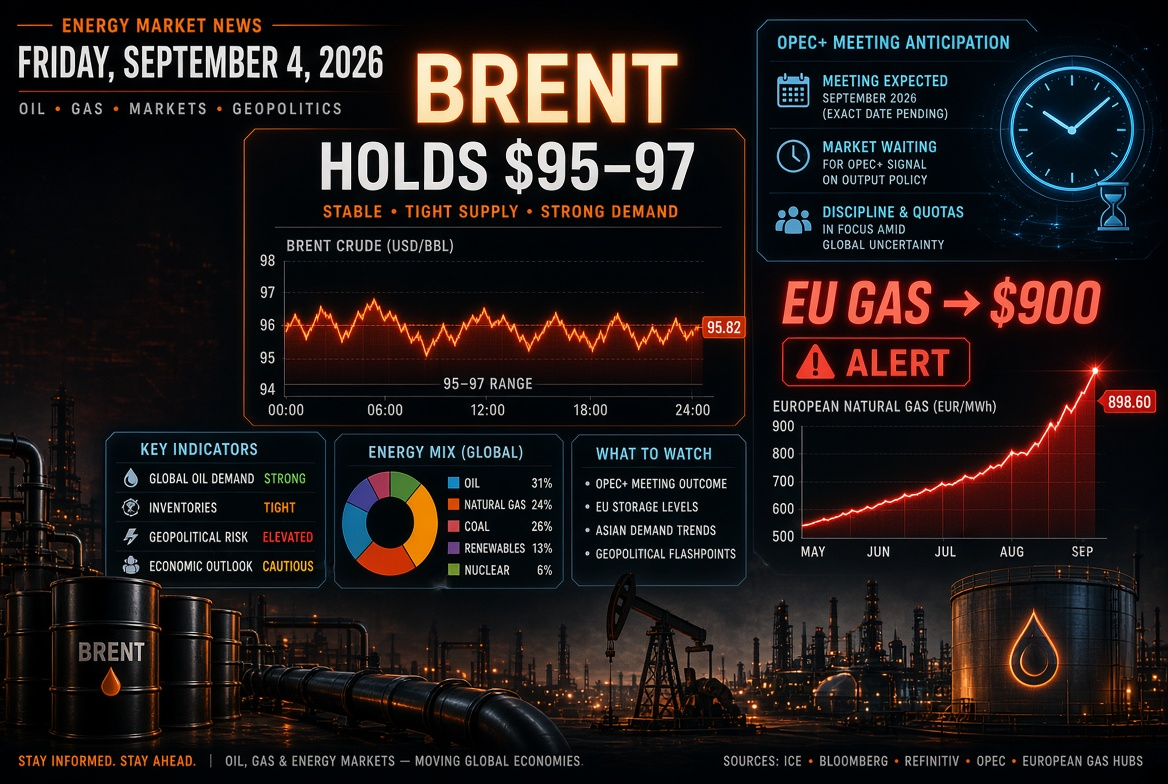
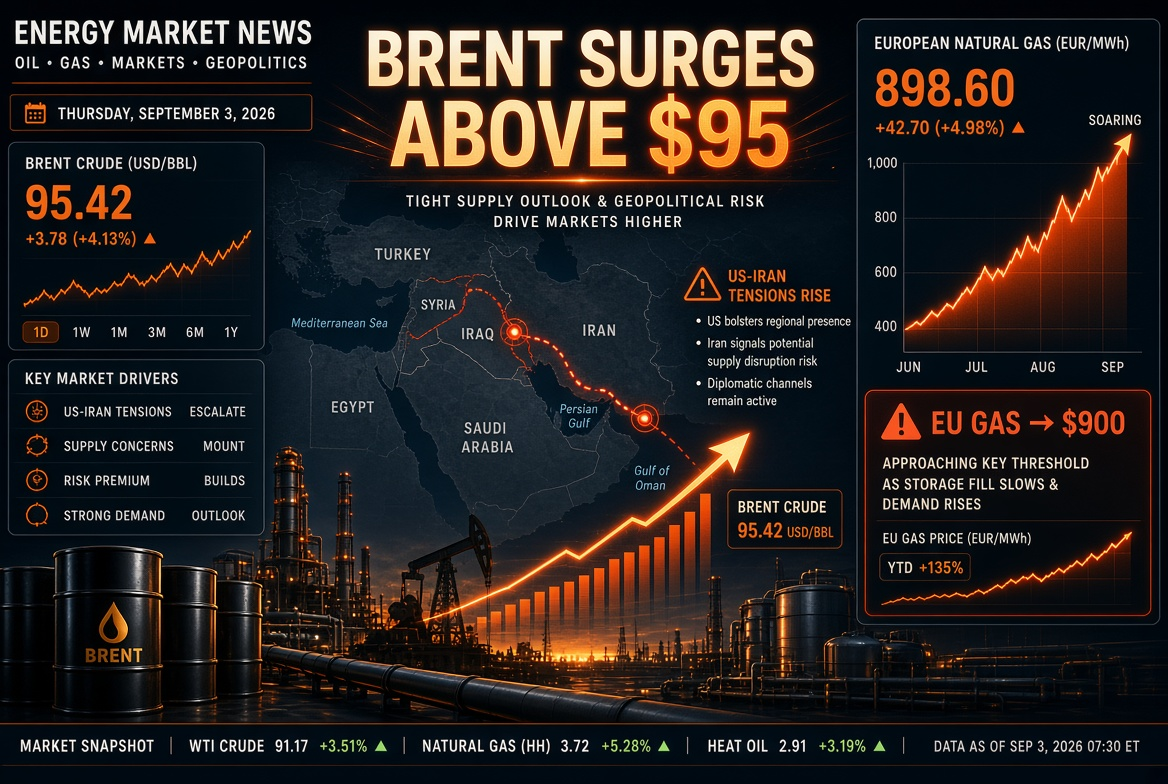
At 23:30 Moscow Time, API will present a preliminary estimate of commercial oil and petroleum product inventories in the United States. The last change in crude oil inventories was approximately minus 0.56 million barrels. In the context of high geopolitical premiums, even a moderate divergence from expectations may lead to a significant reaction in Brent and WTI prices.
- A reduction in oil and gasoline inventories will support prices and the oil and gas sector.
- An increase in inventories amidst weak fuel demand may lead to profit-taking.
- Investors should also monitor refinery utilization, distillate inventories, and the situation at the Cushing storage hub.
What Investors Should Pay Attention To
- Inflationary Impulse: The New Zealand CPI will indicate how quickly energy prices are translating into overall inflation.
- European Rates: Wage data in the UK and the ZEW will determine the movement of the pound, euro, and European bonds.
- US Labor Market: ADP will serve as an operational signal ahead of the upcoming official US publications.
- Corporate Forecasts: Comments from General Motors, 3M, Novartis, Charles Schwab, and Capital One are more important than simply exceeding the quarterly consensus.
- Oil: Reports from Halliburton, EQT, and Range Resources, alongside API stocks, will provide a comprehensive signal for the energy sector.
- Risk Management: The high density of macroeconomic events and corporate reports increases the probability of sharp sectoral movements; thus, the size of positions, limit orders, and diversification are key.