Overview of Economic Events and Corporate Reports on July 11, 2026. Market Preparations for the Upcoming US CPI Release, Start of Major Bank Earnings Season, Data from China, and Key Global Economic Events
Saturday, July 11, 2026, appears unusually calm for global markets: major stock exchanges are closed, the publication of key macroeconomic statistics has been postponed to the following week, and the corporate earnings calendar for large publicly traded companies is nearly empty. However, for investors, this day does not constitute an informational pause in the truest sense. On the contrary, it becomes a time for preparation for one of the most significant weeks in July: ahead lies the US CPI, US PPI, retail sales data, Chinese economic indicators, the kickoff of Wall Street earnings season, and new signals from major technology and industrial companies.
For the CIS audience, it is crucial to view economic events and corporate reports in a global context: US inflation impacts bond yields and the dollar, oil dynamics influence commodity currencies and Russian assets, while banking and semiconductor earnings set the tone for the S&P 500, Euro Stoxx 50, Nikkei 225, and MOEX.
Main Feature of the Day: A Saturday Pause Before a Busy Week
July 11 is a day when the market is more about analyzing accumulated information than reacting to new releases. For the professional investor, such a pause is as vital as a day of statistical publication: weekends are when scenarios, risk levels, and portfolio structures are revised in anticipation of potential volatility increases.
Key themes shaping the agenda include:
- anticipation of the June US CPI as the primary indicator of inflationary pressure;
- preparations for the release of US PPI and retail sales data;
- launch of the US corporate earnings season with the banking sector;
- evaluation of demand for artificial intelligence through reports from TSMC and ASML;
- geopolitical risk in oil and its impact on inflation, the dollar, and bonds;
- expectations for Chinese macroeconomic statistics on trade, industry, and GDP.
Macroeconomic Calendar for July 11: Almost No Significant Releases
According to the global macroeconomic calendar, Saturday, July 11, does not feature major publications such as CPI, PPI, GDP, labor market statistics, or central bank decisions. For the US, eurozone, UK, China, Japan, and Russia, the day passes without any statistics capable of immediately altering assessments of interest rates or corporate earnings.
This means investors will be working not with new figures but with expectations. The primary question is how much risk of more persistent inflation in the US and a possible continuation of the Fed's hawkish rhetoric has already been priced in by the markets. Moreover, the absence of releases on Saturday does not diminish the significance of upcoming economic events: instead, the market approaches these events with heightened sensitivity following increased volatility in oil, semiconductors, and banking stocks.
US: CPI, PPI, and Retail Sales as a Key to the Fed's Trajectory
The main focus of the upcoming week is the June Consumer Price Index (CPI) in the US. For the stock market, both overall inflation and core CPI, which excludes food and energy costs, are important. If core prices show persistent upward pressure, Treasury yields could rise, which is traditionally negative for growth stocks, the technology sector, and companies with high multiples.
Investors should highlight three blocks of analysis:
- Core Inflation. An acceleration in Core CPI will intensify expectations for a tighter Fed policy and may pressure the S&P 500 and Nasdaq.
- Producer Prices. US PPI will indicate how much rising costs may transfer into consumer prices and corporate margins.
- Retail Sales. Consumption data will help assess whether the resilience of the American household persists amid high interest rates and expensive credit.
For investors from the CIS, these data points are critical through the lenses of the dollar, oil quotations, funding costs, and global risk appetite. A strong dollar and rising yields typically worsen conditions for emerging markets, while soft inflation statistics boost demand for risky assets.
Corporate Earnings on July 11: No Major Public Companies Scheduled
No significant reports from large public companies in the S&P 500, Euro Stoxx 50, Nikkei 225, and MOEX are scheduled for Saturday, July 11, 2026. This is a normal occurrence for a weekend: key releases are generally made before the opening or after the close of trading on weekdays.
The picture across regions looks as follows:
- S&P 500 and the US: There are no major reports on July 11; attention turns to JPMorgan Chase, Goldman Sachs, Bank of America, Wells Fargo, Citigroup, Morgan Stanley, Netflix, BlackRock, and Johnson & Johnson in the upcoming trading days.
- Euro Stoxx 50 and Europe: No key releases from major European issuers are expected on Saturday; investors await reports from ASML, Ericsson, BP, and other companies sensitive to capital expenditure cycles, energy, and industrial demand.
- Nikkei 225 and Asia: No major Japanese reports on July 11 are on the agenda; the main Asian focus shifts to TSMC, the technology supply chain, and Chinese data.
- MOEX and Russia: No significant Saturday releases from major Russian issuers are anticipated; the market will assess oil, the ruble, monetary expectations, and upcoming reports from banks, commodity companies, and retail sectors.
US Banking Sector: The First Test of the Earnings Season
Next week will mark the beginning of the earnings season for the second quarter of 2026 in the US. The tone will be set by the largest banks: JPMorgan Chase, Goldman Sachs, Bank of America, Wells Fargo, Citigroup, and Morgan Stanley. For investors, these are not just financial sector reports, but a key indicator of the state of the US economy.
In banking reports, it is essential to look at several parameters:
- the quality of the loan portfolio and the dynamics of provisions for potential losses;
- net interest margin at current interest rate levels;
- revenues from investment banking and trading;
- demand for credit cards, mortgages, and corporate financing;
- management comments on consumer and business clients.
Strong banking reports could affirm the resilience of the US economy and support the stock market. Conversely, weak forecasts may heighten concerns over the credit cycle and slowing consumption.
Technology and Semiconductors: TSMC, ASML, and AI Cycle Verification
A separate area of focus is semiconductors and artificial intelligence. After a strong rise in the share prices of companies related to AI infrastructure, the market will be waiting for validation of fundamental demand. In this context, the earnings reports from TSMC and ASML are significant not only for Asian and European markets but for the entire US technology sector as well.
Investors should pay attention to the following indicators:
- revenue growth rates from high-performance computing and AI chips;
- capital expenditures and plans to expand production capacities;
- orders for lithography equipment and supply chain loading;
- management forecasts for the second half of 2026;
- margin sustainability amid rising investments in new factories and technologies.
If the reports confirm strong demand for AI infrastructure, this could support shares of semiconductor companies, cloud providers, and equipment manufacturers. However, if forecasts are cautious, the market may begin to revalue the most expensive technology assets.
China and Asia: Growth Data as a Factor for Commodities and Exports
The Asian agenda for next week will center on China. Investors expect data on trade, industrial production, retail sales, and GDP. For the global economy, this is one of the key indicators of demand for commodities, industrial goods, energy, and components of the technology supply chain.
For CIS markets, Chinese statistics are particularly crucial through several channels:
- demand for oil, gas, metals, and coal;
- dynamics of the yuan and trade flows in Asia;
- prospects for export-oriented companies;
- assessment of the global industrial cycle;
- risk appetite in emerging markets.
Strong data from China could support commodity markets and shares of industrial companies. Conversely, weak indicators, especially regarding domestic demand, could increase fears of a global slowdown.
Oil, the Dollar, and Geopolitics: The Main External Risk for Investors
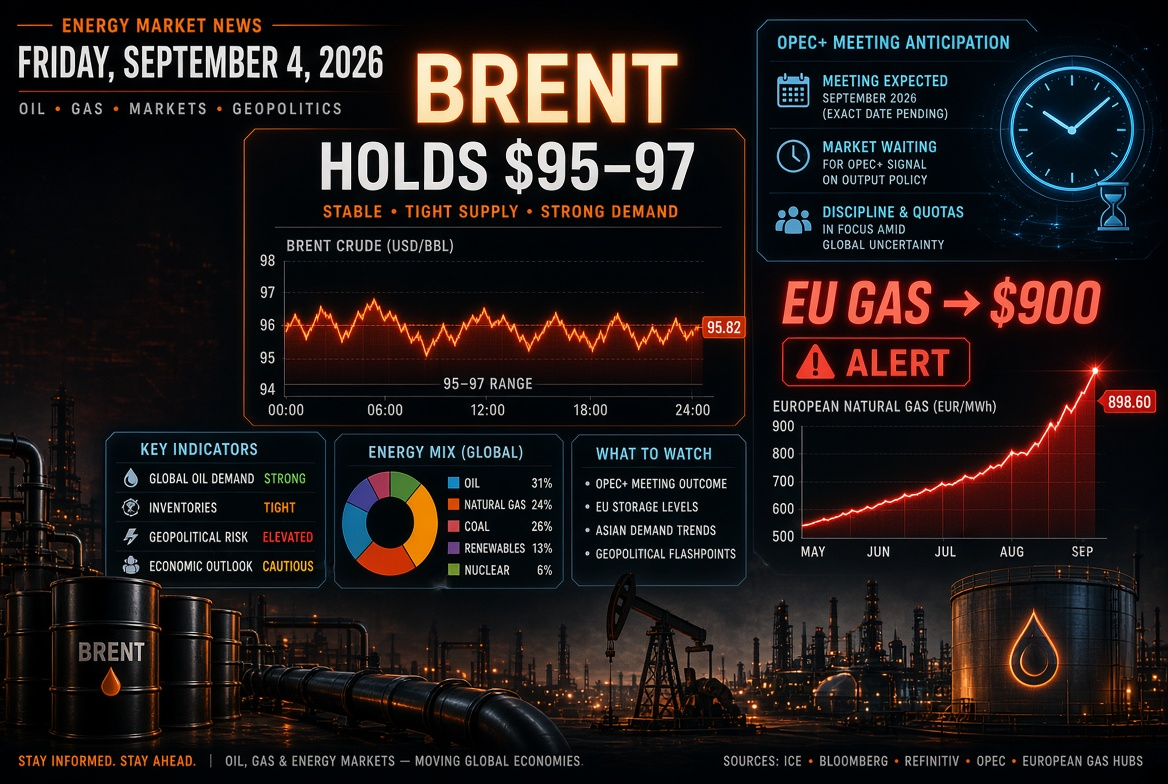
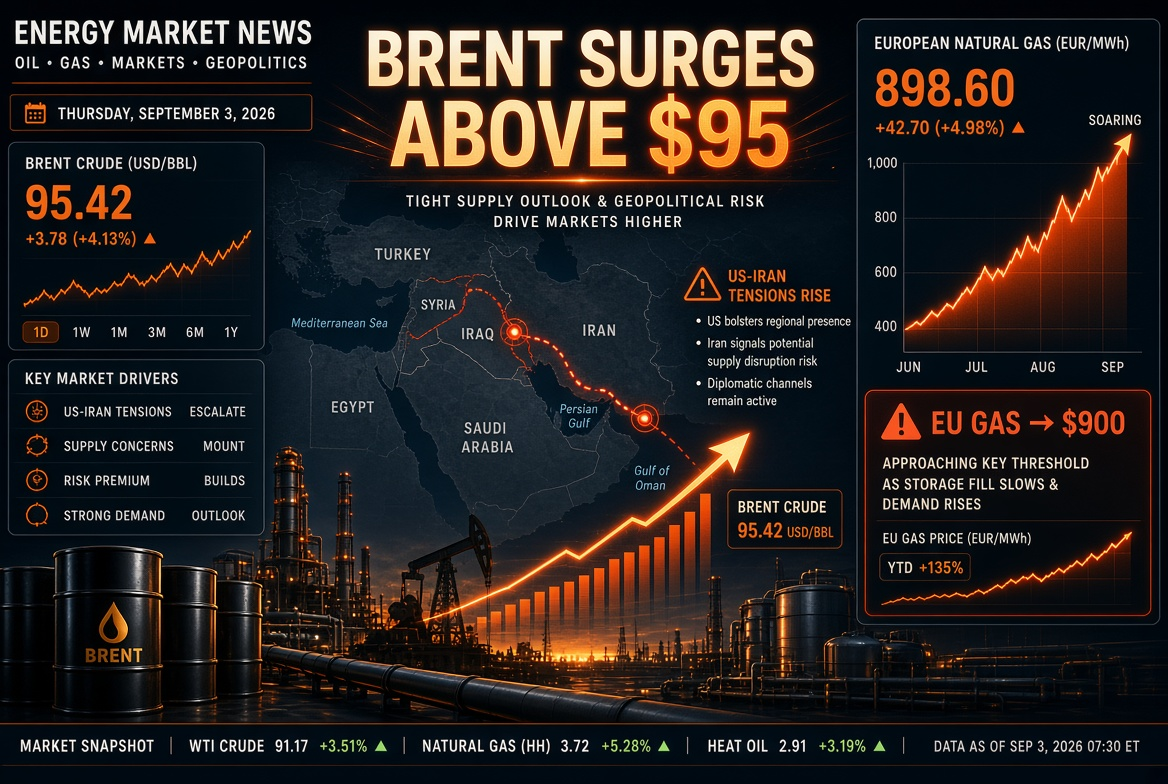
The oil market remains one of the main factors for inflation, bonds, and the Russian stock market. Any increase in geopolitical tension surrounding the Middle East and maritime logistics could quickly reinstate the risk premium in Brent and WTI. For investors, this signifies an increase in uncertainty in assessing inflation and interest rates.
The connection is as follows: rising oil prices elevate inflation expectations, inflation expectations support bond yields, rising yields pressure growth stocks, and a strong dollar worsens conditions for certain emerging markets. For MOEX, high oil prices may support the oil and gas sector but also heighten risks related to currency, rates, and sanctions.
What Investors Should Focus On
Saturday, July 11, 2026, is a day without major publications but holds significant preparatory importance. Investors should use this pause to reassess their portfolios ahead of a busy week of macroeconomic events and corporate reports.
- US CPI on July 14. The main trigger for the dollar, bond yields, S&P 500, Nasdaq, and gold.
- PPI and Retail Sales in the US. These data will show whether cost pressures continue and whether the American consumer remains resilient.
- Bank Earnings. JPMorgan, Goldman Sachs, Bank of America, Wells Fargo, Citigroup, and Morgan Stanley will provide the first signal regarding the quality of the credit cycle.
- Semiconductors and AI. TSMC and ASML will help gauge the fundamental demand for artificial intelligence and data centers.
- Chinese Statistics. Important for oil, metals, industry, and emerging markets.
- Oil and Geopolitics. Brent remains an indicator of inflationary risks and sentiment in the commodities sector.
- MOEX and the Ruble. The Russian market will respond to oil, currency expectations, rates, and upcoming issuer reports.
The main takeaway for investors is that July 11 is not a day of active publications but a day of preparation for a volatile week. The most rational strategy is to define risk levels in advance, check exposure to the dollar, commodities, banking, and technology sectors, and avoid making excessive decisions before the US CPI release and the first major corporate reports.