In-Depth Review of Economic Events and Corporate Reports on April 4, 2026: Global Markets Enter the Weekend Following Strong U.S. Employment Report, as Western Exchanges Remain Closed and Focus Shifts to Asian Corporate Earnings, Commodity Assets, and Preparations for the Upcoming Week.
Saturday, April 4, 2026, does not bring a heavy flow of classic macroeconomic releases; however, this day cannot be considered neutral for investors. The global market environment enters the weekend after one of the key events of the week—the release of the U.S. labor market report for March. This report shapes baseline expectations for the Federal Reserve's interest rates, bond yields, the dollar, commodity prices, and risk appetite as the new trading week approaches.
Against this backdrop, Western exchanges are effectively on pause, while corporate focus shifts to Asia, where the annual reporting season continues. For investors from the CIS, the global picture is crucial: how the week closed in the U.S., what signals are coming from Europe, where corporate activity is concentrated in Asia, and which sectors may drive movements in indices such as the S&P 500, Euro Stoxx 50, Nikkei 225, and MOEX after the weekend.
Market Context of the Day: Why Saturday Still Matters
Although the economic calendar for April 4 appears sparse, the day remains significant for reevaluating risks. Investors are analyzing already released data, adjusting short-term scenarios, and preparing positions for Monday's opening.
- Interest Rates and Bonds: A strong U.S. labor market can maintain high government bond yields and reduce the likelihood of rapid easing from the Federal Reserve.
- Stocks: For the tech sector and growth companies, the reaction to the trajectory of real interest rates is crucial.
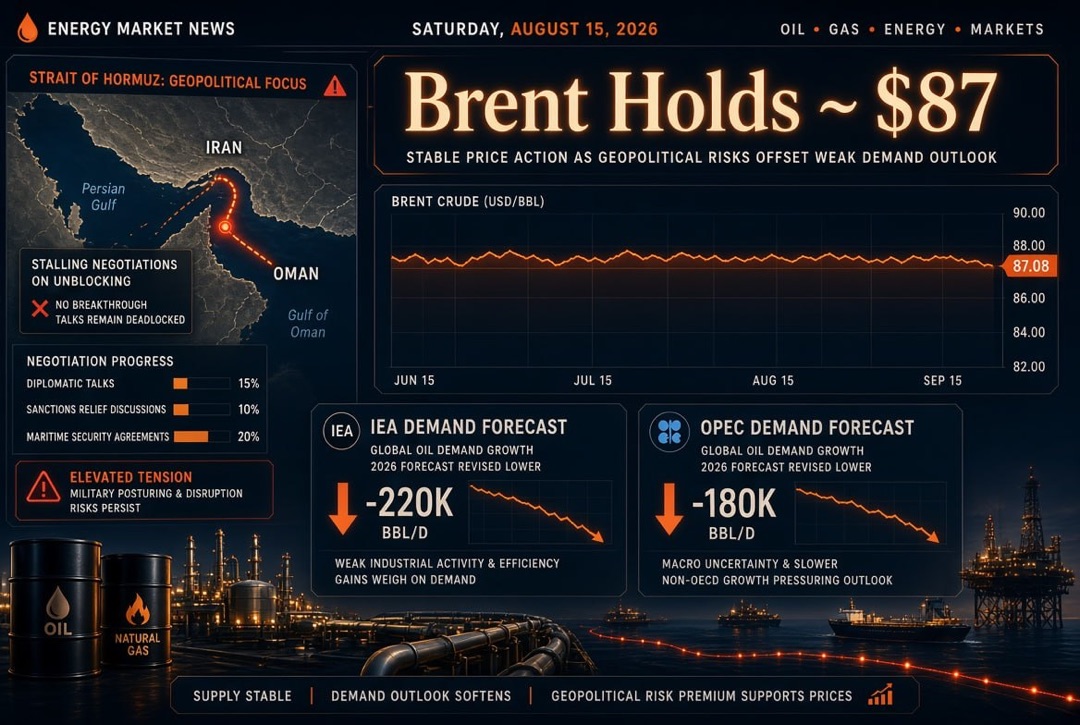
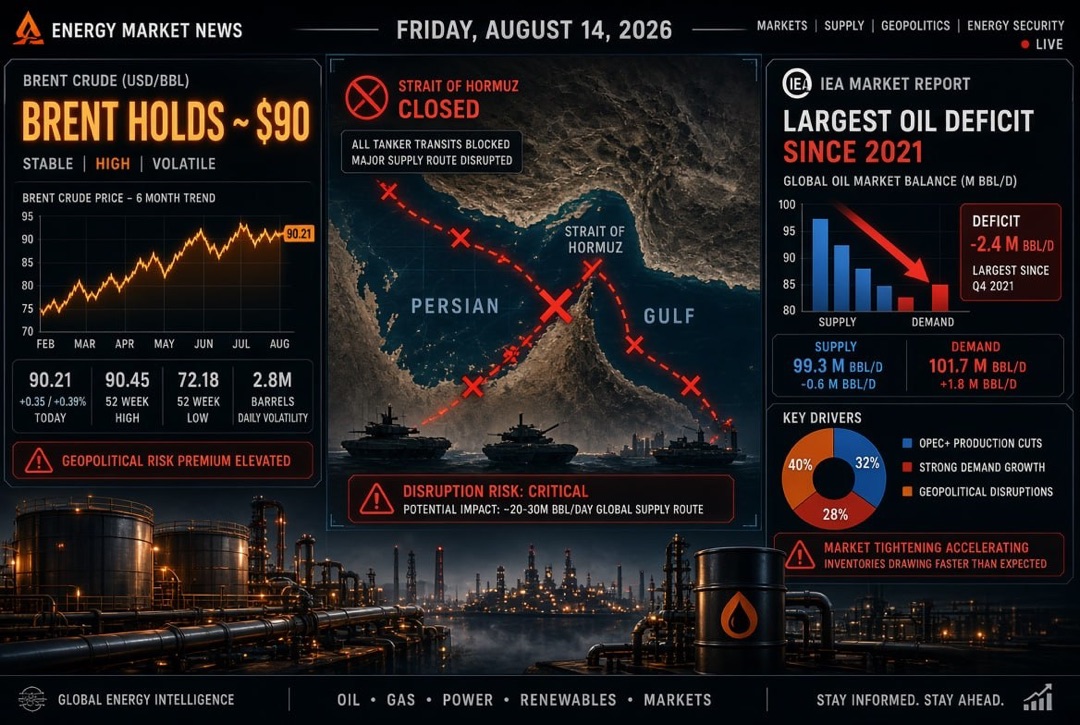
- Commodities: Oil, industrial metals, and gold remain sensitive to the dollar, demand expectations, and the overall structure of global risk.
- Currencies: The dollar, euro, yen, and currencies of commodity-exporting countries may open the new week with gaps if market participants significantly revise their expectations based on U.S. statistics.
Macroeconomic Calendar: Few Key Releases, but Main Driver Set
On Saturday, April 4, there are few significant global macroeconomic publications, so the market relies on interpreting already obtained signals. The main reference point is the U.S. employment report for March, which was released the previous day.
- U.S.: The market continues to digest the March Employment Situation report.
- Europe: Focus has shifted from statistics to assessing the week's close and the behavior of the euro, bonds, and export sectors.
- Asia: Investor attention is concentrated not on macro data but on corporate earnings and industry signals.
- Russia and CIS: In the absence of a busy international calendar, the significance of external factors—oil, the dollar, and global risk appetite—increases.
For SEO and applied investor analysis, this is one of those days when economic events are not directly driven by new figures but rather through a reevaluation of already released data and expectations for the upcoming week.
U.S.: How Investors Will Read the Labor Market and What It Means for the S&P 500
The main event on the global agenda is the March employment report from the U.S. If employment appears stable and unemployment does not show a sharp deterioration, the market receives the signal that the U.S. economy remains robust even in a tighter financial environment.
For investors, this yields several practical conclusions:
- The financial sector receives support through a scenario of higher rates for a longer duration;
- Tech stocks may face a harsher assessment of their multiples;
- The consumer sector remains in focus, as the labor market directly affects household spending;
- Commodity firms benefit if strong employment is interpreted as a sign of sustainable demand.
For the S&P 500 index, Saturday is not a trading day but a day for shaping a new scale of expectations. At the start of the next week, the market will be particularly sensitive to the banking sector, large tech capitalizations, industrial companies, and oil and gas stocks.
Europe and Russia: Closed Markets, but Not a Closed Agenda
The European market approaches April 4 after a holiday regime marking the start of the Easter weekend. For the Euro Stoxx 50, this means a pause in trading but not a pause in risk assessment. Investors are comparing the dynamics of the U.S. labor market, the behavior of the dollar, and the prospects for the European export and industrial sectors.
In the Russian context, attention is focused on three external variables:
- The dynamics of oil and oil products;
- The dollar exchange rate and the overall external backdrop for emerging market currencies;
- Global investors' appetite for risk before the new week.
For MOEX, Saturday is a closed day; however, investors from the CIS are already laying out scenarios for oil and gas, metallurgy, banking, and exporters. If the external backdrop remains stable, the local market will primarily focus on oil, the ruble, and the reaction of foreign indices at the start of the week.
Corporate Reports from the U.S., Europe, and Russia: A Day of Minimal Activity
As of April 4, 2026, the corporate earnings calendar in the U.S., Europe, and Russia appears subdued. For large publicly traded companies from the S&P 500, Euro Stoxx 50, and the largest Russian issuers, this is not a day of mass publications. Such a regime is typical for Saturday and is reinforced by the holiday calendar of Western exchanges.
This is an important signal in itself: when the largest Western issuers do not disclose results, local movements tend to shift towards sector news, macro expectation revisions, and preparations for future reports. For an investor, this day is not about “hunting for numbers” but about market filtering: which sectors will become the next centers of attention, where is there a risk in forecasts, and where might there be changes in analysts' consensus.
Asia: Where the Main Corporate Activity is Concentrated on April 4
Asia provides the most substantive corporate agenda on April 4. Among notable public companies scheduled to publish results are issuers from China and related sectors such as infrastructure, industry, consumer, and materials.
- China Merchants Port Group: An indicator for logistics, container flows, and the state of external trade.
- SDIC Capital: An important benchmark for the financial sector and investment activity.
- Zhejiang Supor: A measure of consumer demand and dynamics in the domestic durable goods market.
- Anhui Jianghuai Automobile Group: A barometer for the automotive industry and industrial demand.
- Universal Scientific Industrial (Shanghai): A significant story for electronics, components, and contract manufacturing.
- Jinduicheng Molybdenum: An important signal for the metals and industrial commodities market.
- Shandong Hi-Speed: An infrastructure and transport benchmark.
- Hubei Xingfa Chemicals: An indicator for the chemical sector and production chains.
For the global market, these reports are particularly valuable as a source of microeconomic signals: what is happening with demand, margins, exports, industrial loading, and investment activity in the Asian region.
Indices and Sectors: How to Read the S&P 500, Euro Stoxx 50, Nikkei 225, and MOEX
On Saturday, the most convenient approach for an investor is to look not at individual transactions but at the map of future movements across indices and sectors.
- S&P 500: Focus is on the tech sector, banks, industry, and oil and gas. Everything will depend on how the market interprets the resilience of employment in the U.S.
- Euro Stoxx 50: Sensitive to the euro exchange rate, export prospects, and how a strong dollar will impact European risk assets.
- Nikkei 225: Receives indirect support if the external backdrop is stable and Asian earnings do not yield significant negatives.
- MOEX: Key themes include oil, the ruble, export stories, banks, and the overall mood of global investors.
Sectorally, special attention should be paid to energy, industry, financial companies, and exporters. These sectors react more quickly to the combination of a strong U.S. labor market, interest rate changes, and movements in commodity assets.
Key Takeaways for Investors
- 1. The U.S. Labor Market remains the primary fundamental reference point for the start of the new week.
- 2. Economic events on April 4 are not burdened with fresh releases, so the significance of interpreting already released data increases.
- 3. Corporate earnings in the West are almost nonexistent, while the main factual flow comes from Asia.
- 4. For the global environment, it's important to monitor how a strong dollar, bond yields, and oil influence global risk appetite.
- 5. For CIS investors, it is essential to assess Monday's opening through the lens of oil, currency backdrop, American rate expectations, and Asian corporate statistics.
The key takeaway is: Saturday, April 4, 2026, is not a day of numerous new publications but a day for strategic adjustments. Investors who correctly interpret the connections between U.S. employment, the Western holiday calendar, Asian earnings, and movements in commodity markets will gain a more accurate starting position for the new week.