Economic Events and Corporate Reports for Saturday, March 7, 2026. Market Reaction to Weak U.S. Employment Data, Discussion on China's Budget, and Key Factors for S&P 500, Euro Stoxx 50, Nikkei 225, and MOEX
The primary driver heading into the weekend is the weak labor market statistics from the U.S. According to BLS data, the U.S. economy lost 92,000 jobs in February, while the unemployment rate rose to 4.4%. For global assets, this represents a dual effect:
- Rates and Yields: The discussion regarding a softening of the Fed's policy is intensifying on the horizon of upcoming meetings, and market expectations around the timing of rate cuts are becoming more sensitive to each subsequent release.
- Risk Appetite: For the S&P 500, weak employment data serves as both an argument for a more dovish Fed and a signal of economic slowdown; the balance between these factors will shape the dynamics of growth stocks and cyclical sectors.
It is also important to note that the U.S. is entering a period of limited public comments from Fed representatives ahead of the meeting (quiet period). This increases the significance of "clean" macro data and market indicators of inflation expectations.
China: “Two Sessions” and Budget Discussion – Signals for Commodities, Industry, and Asia
On March 7, the National People's Congress and the Chinese People's Political Consultative Conference continue in Beijing. The focus of the day is the review of social-economic development plans and budget documents, as well as public communications regarding "people's well-being." For investors, this is important through three channels:
- Commodity and Energy Demand: Any guidelines regarding infrastructure, industrial support, and domestic demand will influence expectations for oil, gas, metals, and logistics.
- Technologies and Supply Chains: Signals regarding industrial policy priorities will impact Asian markets and companies tied to Chinese demand.
- Currency Block: Expectations for growth and stimulus may alter sentiment regarding regional currencies and capital flows in emerging markets.
Europe: Central Bank Rhetoric and Sensitivity to Energy Risks
On the European side, there remains a high sensitivity to inflationary risks stemming from energy and geopolitics. Comments from ECB representatives towards the end of the week emphasize the "meeting-by-meeting" approach and the need for time to assess the impact of external shocks on inflation and growth. For Euro Stoxx 50, this means that the resilience of corporate profits will be evaluated through the lens of energy costs, credit conditions, and real-sector demand.
Russia and the CIS Market: External Environment Over Local Releases
During weekends, there are typically few local releases, and the key dynamics are determined by the external backdrop: oil prices, the dollar exchange rate, risk appetite on global markets, and expectations regarding U.S. rates. The Russian stock market concluded Friday with gains (the MOEX strengthened by the end of trading on March 6), and for CIS investors, it is critical to assess how the following factors align:
- external inflationary risks (energy and logistics),
- expectations regarding global rates,
- commodity price dynamics and demand in Asia.
Economic Calendar for Saturday: “Quiet Period” and Key Monitoring Themes
Key macro releases for Saturday, March 7, 2026: In most major economies (U.S., Eurozone, Japan, Russia), there are typically no significant planned publications on weekends. Therefore, the practical calendar for investors today consists of monitoring news feeds and reassessing Friday's data.
What to Keep on Screen
- Futures on Indices and Rates: Reaction to the weak U.S. employment report and changes in probabilities for Fed rate cuts.
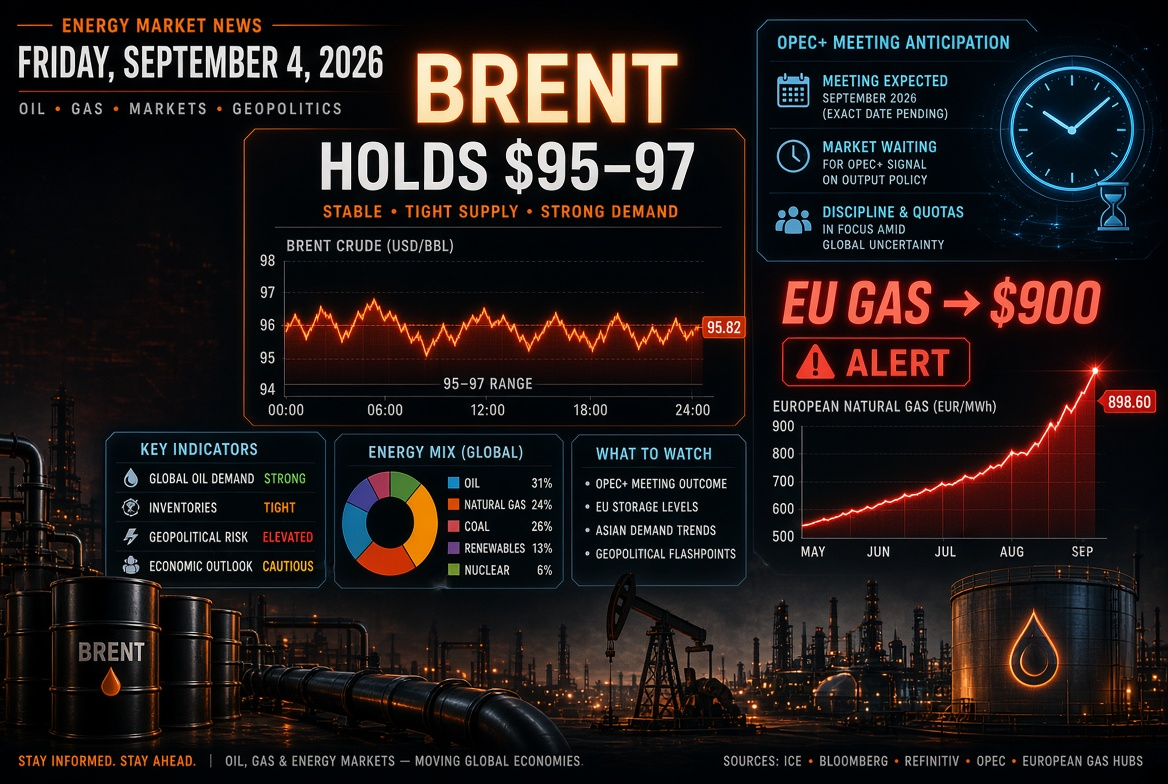
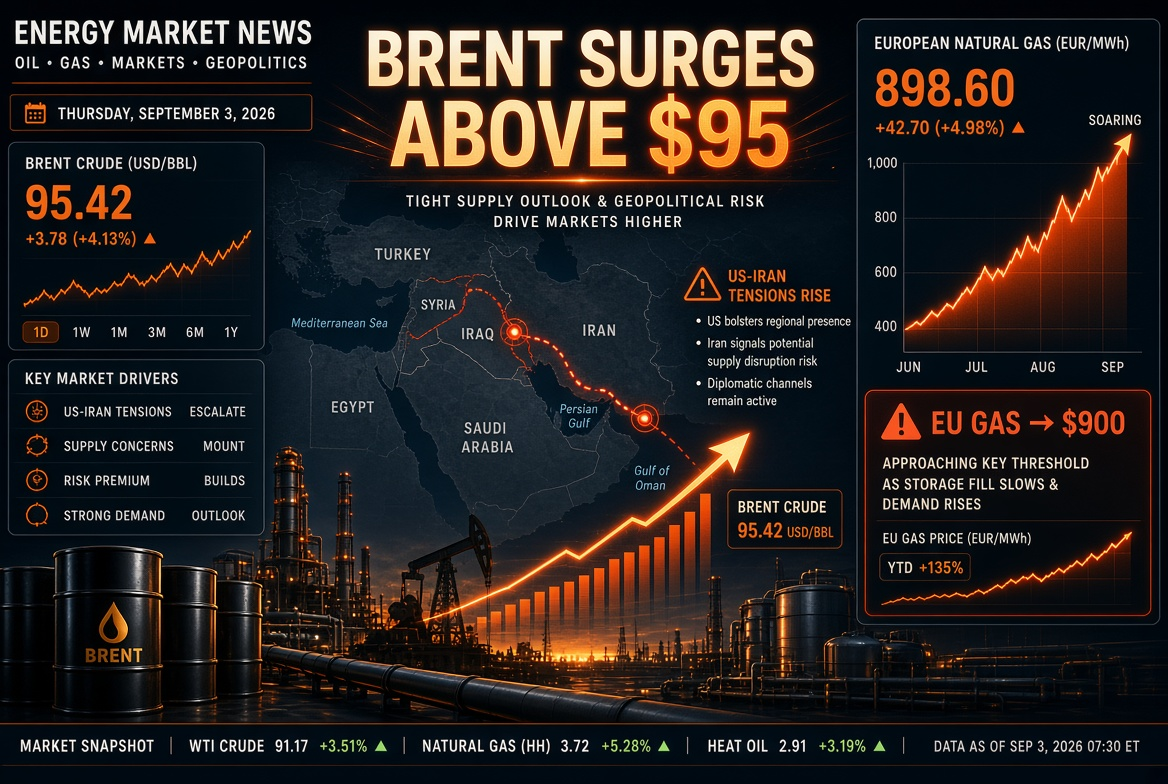
- Energy Markets: Sensitivity of oil and gas to geopolitical events and demand expectations from Asia.
- Chinese Agenda: Outcomes from budget discussions and economic plans within the “two sessions.”
- Credit Spreads: Early signals regarding whether investors perceive weak employment as a "soft landing" or as a risk of a more pronounced slowdown.
Corporate Reports: Who is Reporting on March 7 and Why It is Rare
Saturday is an atypical day for corporate reports from major indices (S&P 500, Euro Stoxx 50, Nikkei 225, MOEX): most issuers are tied to trading sessions and publish reports on weekdays before market opening or after close. However, individual companies may still release reports based on local regulations or different calendars.
Reports Noted in the Calendar for March 7
- Bluestar Adisseo Company – Annual report for 2025.
- Elitecon International Limited – Quarterly report.
The absence of "heavy" reports on Saturday does not diminish the significance of the day: the market will process the results already released throughout the week and prepare for the next wave of publications on Monday when liquidity returns and sensitivity to earnings and forecast surprises increases.
Guidelines for the Upcoming Trading Week: Where Volatility Might Occur
Following weak payrolls, attention shifts to the combination of "inflation + growth + financial conditions." For global portfolios, it is logical to pre-identify potential volatility points:
- U.S.: Any data clarifying the state of consumer spending and inflationary pressure will directly impact expectations for Fed rate trajectories.
- Europe: ECB comments and sensitivity to energy components of inflation are crucial for banks, industry, and the consumer sector.
- Asia: Signals from China regarding growth plans, budget, and policy priorities are key to risks in commodities and cyclical stories.
- Russia/CIS: Oil, currency dynamics, and global risk appetite remain fundamental factors for equities and bonds.
What Investors Should Note (End-of-Day Summary)
Saturday, March 7, 2026, is a day for "fine-tuning." The Friday weakness in the U.S. labor market alters the balance of rate expectations and heightens the likelihood of sharp repricing on Monday when full liquidity returns. Concurrently, China sets the tone for the Asian bloc through budget discussions and development plans within the "two sessions" — this is significant for commodities, industrial demand, and sentiment in emerging markets.
Practical Weekend Checklist:
- Reassess the share of interest rate risk (duration, sensitivity of growth stocks to rates);
- Check scenarios for oil and inflation expectations;
- Update the driver map by regions: U.S. (rates/growth), Europe (energy/credit), Asia (China/demand), Russia (commodities/currency);
- Prepare a list of assets that will respond first on Monday: indices, banks, technology sector, cyclical companies, and commodity papers.