Detailed Review of Economic Events and Corporate Reports for October 19, 2025: PBOC's Decision on LPR, Outcomes of IMF and World Bank Meetings, Commodity Market Dynamics, and Investor Preparations for the New Week.
Sunday, October 19, presents a relatively calm agenda for financial markets. However, investors should pay attention to the concluding cycle of annual meetings of the IMF and the World Bank in Washington, where discussions will center on the prospects for the global economy and financial stability. In the Asian region, the focus will be on the People's Bank of China's (PBOC) interest rate decision, which may signal further monetary policy directions from Beijing amid the ongoing economic slowdown in China. The corporate sector is taking a breather: during the peak of the earnings season for major companies, this Sunday is almost devoid of publications, with market participants preparing for a new week filled with events. The overall tone is set by macroeconomic factors and investor expectations ahead of upcoming data and reports.
Macroeconomic Calendar (MSK)
- All day — Washington: Concluding day of the annual meetings of the IMF and World Bank.
- 13:15 — China: PBOC's decision on key lending rates (LPR for 1 and 5 years) for October.
Asia: PBOC's Decision and Signals from China
- The People's Bank of China is expected to maintain the benchmark lending rates (LPR) at the current level (1-year rate around 3.45%) due to persistent deflationary pressures and weak domestic demand. Beijing is attempting to support the economy with stimulus measures; however, it is refraining from sharp monetary actions to avoid exacerbating capital outflows and pressure on the yuan.
- Investors will be closely monitoring the regulator's rhetoric: any hints from the PBOC regarding future policy easing or additional stimulus could improve sentiment in Asian markets. Conversely, cautious comments without new economic support measures may reinforce the cautious outlook and heighten fears regarding China's growth rates.
- It is worth noting that at the beginning of the new week, China will release significant macro data (including GDP for Q3 and statistics on industry and consumption). Combined with the interest rate decision, these indicators will paint a more comprehensive picture of the health of the world's second-largest economy, determining the further risk appetite in the emerging markets segment.
Global Economy: Outcomes of IMF Meetings
- At the annual meetings of the International Monetary Fund (IMF) and the World Bank, the main theme was the prospects for the global economy amidst post-pandemic recovery and geopolitical risks. According to the latest estimates from the IMF, global growth is expected to be around 3% in 2025 — a relatively moderate pace, reflecting a slowdown compared to last year. For advanced economies, the forecast is only around 1.5-1.6% in 2025, while for developing markets, combined growth is expected to hover around 4% (largely due to Asia).
- The IMF notes that inflation worldwide is gradually decreasing but remains above target levels in many countries. Fund representatives urged central banks to remain vigilant: premature easing of monetary policy could rekindle inflationary pressures. Simultaneously, governments were advised to flexibly use budgetary measures to support vulnerable populations amid rising living costs, while avoiding excessive accumulation of public debt.
- Particular attention at the meetings was given to the issues facing developing countries. The IMF leadership emphasized the need for debt restructuring for the most burdened nations and called on developed economies and international organizations to enhance support. Reforming the international financial architecture was also discussed: from expanding resources for development funds to adapting the IMF and World Bank operations to new challenges (climate risks, digital economy). The final statements underscore the importance of policy coordination to ensure sustainable and inclusive growth of the global economy.
Energy and Commodity Markets
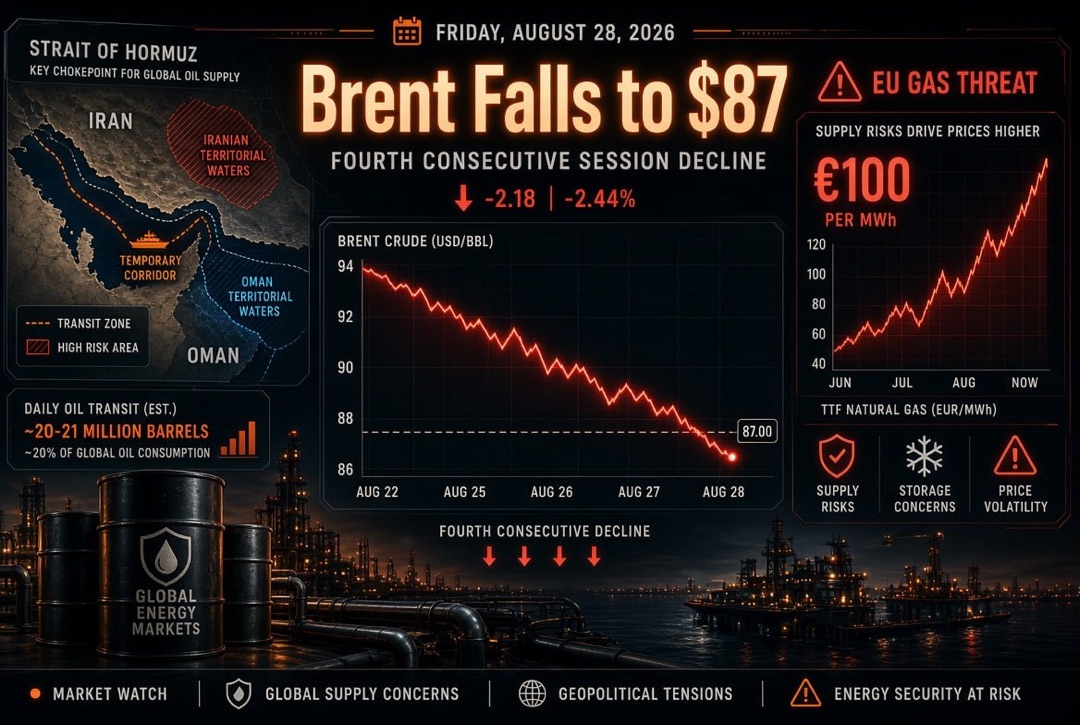
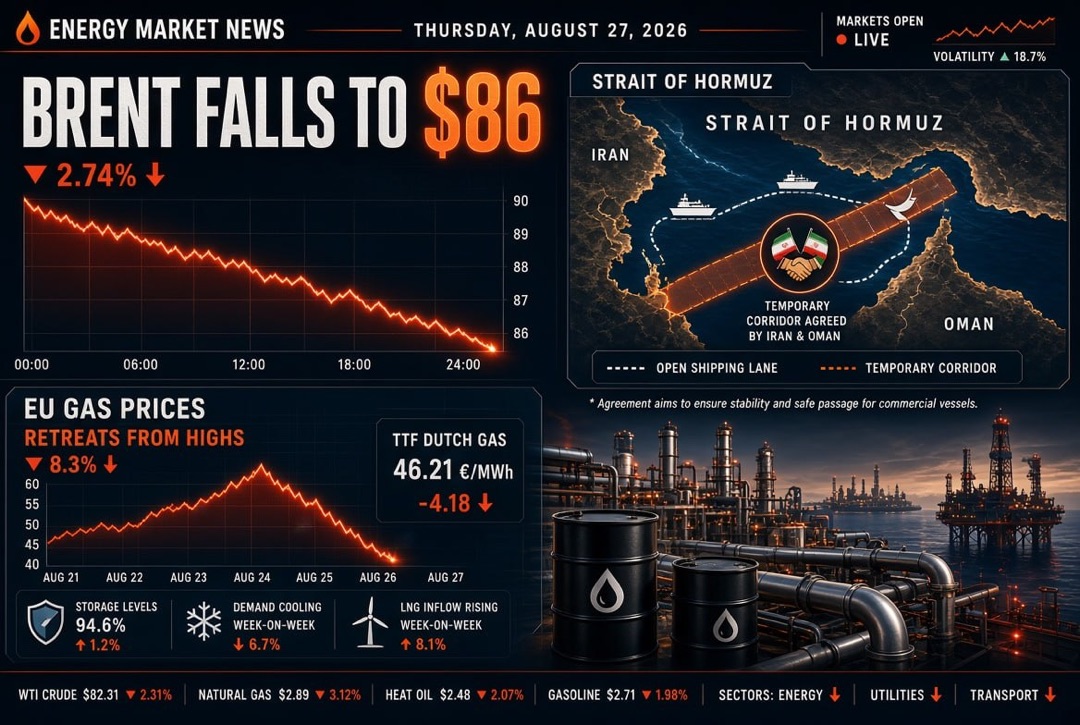
- Oil: Oil prices continue to decline. The WTI brand has dropped below $60 per barrel — the first time since early summer — amid signs of de-escalation of geopolitical tensions in the Middle East and expectations of increased supply. Investors note that rising hopes for a ceasefire in the protracted conflict reduce the risks of oil supply disruptions, which is promptly reflected in pricing. Additional pressure on energy markets comes from concerns about a slowdown in the global economy, formed after the cautious IMF forecasts: weaker demand may limit the potential for oil price growth.
- Precious Metals: Gold and silver are exhibiting contrasting dynamics — both metals have significantly appreciated, confirming high demand for safe-haven assets. The price of gold has reached an all-time high, surpassing $4300 per ounce, while silver is trading above $54 per ounce. The driver of this growth is investors' search for a "safe haven" amid persistent macroeconomic uncertainty and localized financial turmoil (notably, recent turmoil surrounding regional banks in the US). Furthermore, expectations of softer Fed policy in the future (due to signals of economic slowdown and declining inflation) support the appeal of precious metals, as lower rates increase the value of non-yielding assets.
- Other Commodities: Industrial metals trade without a unified trend. On one hand, copper and several base metals are under pressure due to concerns about demand in China — a major consumer of commodities. On the other hand, any hints at stimulus from the PBOC or improvement in trade relations between the US and China could bolster prices. In agricultural markets, the situation is stable: prices for grains and oilseeds remain within ranges following the publication of the latest WASDE report, with market participants awaiting new signals regarding demand and supply balance.
Corporate Reports: Asia and Russia
- India: In the absence of American and European reports, attention shifts to emerging markets. Major Indian bank RBL Bank has published financial results for Q2 of the 2025 financial year (ended in September). RBL's net profit fell by approximately 20% year-on-year to around ₹178 crore (≈$180 million), with a slight decline in interest income. However, investors reacted positively to news of strategic changes: the bank confirmed attracting significant investment from Middle Eastern partner Emirates NBD, which plans to acquire a substantial stake (up to a controlling share) in RBL's capital. This influx of foreign capital supports confidence in the Indian banking sector and provides RBL with resources for further growth, despite the temporary profit drop.
- Russia: The Russian market will be closed on Sunday, and no significant corporate publications are scheduled for this date. Most companies on the Moscow Exchange are preparing to release Q3 results at the end of October - early November. Investors are watching preliminary operational data from individual issuers: notably, the oil and gas sector and metal producers periodically release quarterly reports on extraction and production. So far, no major surprises are noted. The main players (Sberbank, Gazprom, Rosneft, etc.) will traditionally release their reports closer to November. Some corporate news may come from second-tier companies — for instance, announcements about dividends or completion of deals — but their impact on the overall market is limited.
- Middle East: In the Gulf countries, where the work week begins on Sunday, the corporate earnings season is also gaining momentum. No significant financial results from the largest state-owned companies in the region are expected on October 19, but oil prices and local news will set the tone for investors. A decrease in oil prices may affect the quotes of Middle Eastern energy companies during Sunday trading. Overall, Middle Eastern stock indices are entering the new week with cautious optimism, relying on consistently high levels of liquidity and investment inflow into oil and gas projects.
Corporate Reports: USA and Europe
- USA: The American market traditionally does not operate on Sundays, and no major corporate reports from the S&P 500 are released on this date. Following a turbulent start to the earnings season (with many banks and first tech firms already reporting), Wall Street is taking a breather. However, starting Monday, investors can expect a new wave of Q3 results. Attention will be focused on high-tech and medical companies: for instance, on October 20, Intuitive Surgical — a manufacturer of robotic surgical systems — will present its quarterly results, shedding light on the state of demand in the med-tech sector. Early in the week, reports from various industrial corporations and retailers are anticipated, providing insight into the resilience of demand in the US economy. Careful examination of margin metrics, management forecasts, and revenue dynamics by segments will help investors adjust their strategies ahead of key technology giants' reports later in the week.
- Europe: In Europe, October 19 is a holiday for exchanges, so no major corporate releases are scheduled for the Euro Stoxx 50. Nevertheless, at the very beginning of the new week, a series of publications from European leaders in various industries will commence. Some industrial and automotive companies are expected to report their sales for the past quarter: for instance, on Monday, investors will look at data from Forvia (Faurecia) and other automakers revealing their Q3 revenue, providing insight into the global car demand situation. The European financial sector is also entering its season as major banks and insurers will present their results later in the week. European market attention will be closely tied to how inflation and interest rate increases have impacted bank profitability and consumer activity. Positive surprises from European companies may support a recovery of the Euro Stoxx 50 index, while disappointments might add volatility to the segment of individual stocks and sectors.
Other Regions and Indices: Euro Stoxx 50, Nikkei 225, MOEX
- Euro Stoxx 50: European markets are enjoying a holiday while awaiting new data and reports. On Sunday, there are no external triggers for movement in European indices, hence the Euro Stoxx 50 will enter Monday's trading under the influence of the global news background. Investors in Europe are evaluating the outcomes of the IMF meetings (especially regarding eurozone forecasts) and preparing for vital macro indicators' releases later in the week. Signs of further inflation decrease in the EU and stable corporate reports may support the index, whereas any negative surprises (such as weak data from China or unexpected corporate issues) could hinder the recovery of the European market.
- Nikkei 225 (Japan): The Japanese stock market is traditionally closed on Sundays. When the Tokyo Exchange opens on Monday, it will react to several factors: firstly, the response to Chinese decisions and global news from the weekend, and secondly, domestic statistical data. At the beginning of the week, fresh macro data is expected in Japan, including inflation figures for September. If these data indicate a warming inflation rate, it could heighten expectations of a tighter Bank of Japan policy and subsequently affect market sentiments. However, overall, the Nikkei 225 maintains the upward trend of recent months due to a strong earnings season: many Japanese corporations have already reported better-than-expected results for the previous quarter, and investors hope for continuing positive dynamics in corporate profits.
- MOEX (Moscow Exchange): The Russian MOEX index does not conduct trading on Sundays. When it opens on Monday, the domestic stock market will be guided by a combination of external and internal factors. On one hand, an improvement in the conditions in global capital markets (for example, rising metal prices or progress in resolving world conflicts) could push the index up. On the other hand, a decline in oil prices below levels comfortable for the Russian budget may somewhat dampen investor enthusiasm, especially in the oil and gas sector. Additional guidance will come from expectations regarding local statistics: industrial production data and the Bank of Russia's meeting are scheduled for the new week. Overall, the Moscow Exchange enters the final quarter of the year on a relatively solid foundation, but external volatility demands heightened market participant attention to developments outside of Russia.
Day Summary: What Investors Should Pay Attention To
- China and Monetary Policy: The PBOC's decision on the LPR will be a key indicator of Beijing's sentiment. Investors should track any signals of policy easing — an unexpected rate cut could support stocks and currencies of emerging markets in Asia, while maintaining the status quo amid weak economic data would heighten deflation fears. The reaction of the Chinese yuan and the Hong Kong market on Monday morning will indicate how the market has interpreted the PBOC's actions.
- IMF Statements and Global Risk Appetite: The final statements from the IMF following the meetings will direct global risk appetite. If the IMF emphasizes the resilience of the global economy and progress in reducing inflation, this could support stock indices worldwide. However, mentions of risks (such as high EM debt, geopolitical issues, or financial instability) will remind investors of the need for caution. Special attention should be paid to the IMF's forecasts for the USA, EU, and China: these will determine attitudes toward corporate profits and interest rates.
- Oil and Commodity Prices: The decline in oil prices to multi-month lows is crucial for energy-intensive sectors and exporting countries. Investors with positions in oil and gas companies or currencies of commodity-exporting nations should assess whether the decline in prices is temporary (due to specific news) or reflects a deeper deterioration in supply-demand balance. Simultaneously, the record rise in gold prices indicates increased demand for safe-haven assets — this may herald increased volatility should economic data prove to be worse than expected.
- Corporate Calm Before the Storm: The silence in the corporate calendar on Sunday is an excellent opportunity for investors to reassess their strategies ahead of a surge of critical reports in the new week. It is advisable to identify key companies whose results could significantly impact the portfolio in advance. In the USA, this will include the technology and consumer sectors (several companies from NASDAQ and S&P 500 will report in the early days of the week), while in Europe, the focus will be on the industrial and financial sectors. Prepared scenarios (beat/meet/miss) for major reports and the placement of stop-loss orders will help to approach the new influx of corporate news well-equipped.
- Risk Balancing and Hedging: Despite the relatively calm backdrop on Sunday, overall uncertainty in the markets persists. Investors are advised to use the weekend to check their portfolio's risk balance. Geopolitical news can arise abruptly even on weekends; therefore, maintaining a presence of safe assets (such as gold or hedging instruments against sharp index movements) remains relevant. A clear understanding of key support and resistance levels for essential assets and currencies will enable a swift response to any unforeseen events at the beginning of the new trading week.