Economic Events and Corporate Reports on June 3, 2026: Inflation, Labor Market, Oil, and Key Signals for Global Markets
June 3, 2026 presented a dense information backdrop that set the direction for global markets. Investors focused on macroeconomic data and earnings reports from major corporations. In this report, we systematically analyze which economic events and corporate reports on June 3, 2026—covering inflation, the labor market, oil, and key signals for global markets—shaped trading sentiment.
Inflation Data Sets the Tone
One of the central economic events and corporate reports on June 3, 2026—inflation, labor market, oil, and key signals for global markets—was the release of the April Consumer Price Index (CPI) in the United States. The figure came in at 3.1% year-over-year, below March's 3.2% and in line with the consensus forecast. Core CPI moderated to 2.8% from 2.9% the previous month. Meanwhile, eurozone data showed May inflation declining to 2.3%, confirming a disinflationary trend. In China, consumer prices rose only 0.5%, while producer deflation deepened to -2.1%.
- US CPI: 3.1% YoY (expectation 3.2%)
- US Core CPI: 2.8% YoY
- Eurozone CPI: 2.3% YoY
- China CPI: 0.5% YoY; PPI: -2.1%
These figures directly impacted bond yields. The yield on 10-year US Treasuries fell 3 basis points to 4.12%, and the US dollar index DXY slipped 0.2% to 104.8. Markets raised the probability of a Federal Reserve rate cut in September to 65% from 55% a week earlier. The inflation data served as the first major signal, pointing to a potential easing of monetary policy.
Labor Market: Employment and Wages
Although the May Nonfarm Payrolls report was published on May 30, it was on June 3 that investors fully assessed its implications. New job creation totaled 185,000, below the 12-month average of 210,000 and slightly under the forecast of 190,000. The unemployment rate rose to 3.9% from 3.8%, while average hourly earnings increased 4.1% year-over-year. Concurrently, April JOLTS data showed a decline in job openings to 8.1 million from 8.4 million.
- Nonfarm Payrolls: +185,000
- Unemployment Rate: 3.9%
- Average Hourly Earnings: +4.1% YoY
- JOLTS: 8.1 million
The labor market showed signs of cooling but remains strong enough for the Fed to maintain caution. Nevertheless, the slowdown in hiring and rise in unemployment strengthened arguments for a rate cut. This aspect of the economic events and corporate reports on June 3, 2026—inflation, labor market, oil, and key signals for global markets—added uncertainty for equity indices.
Oil and Energy Under Pressure
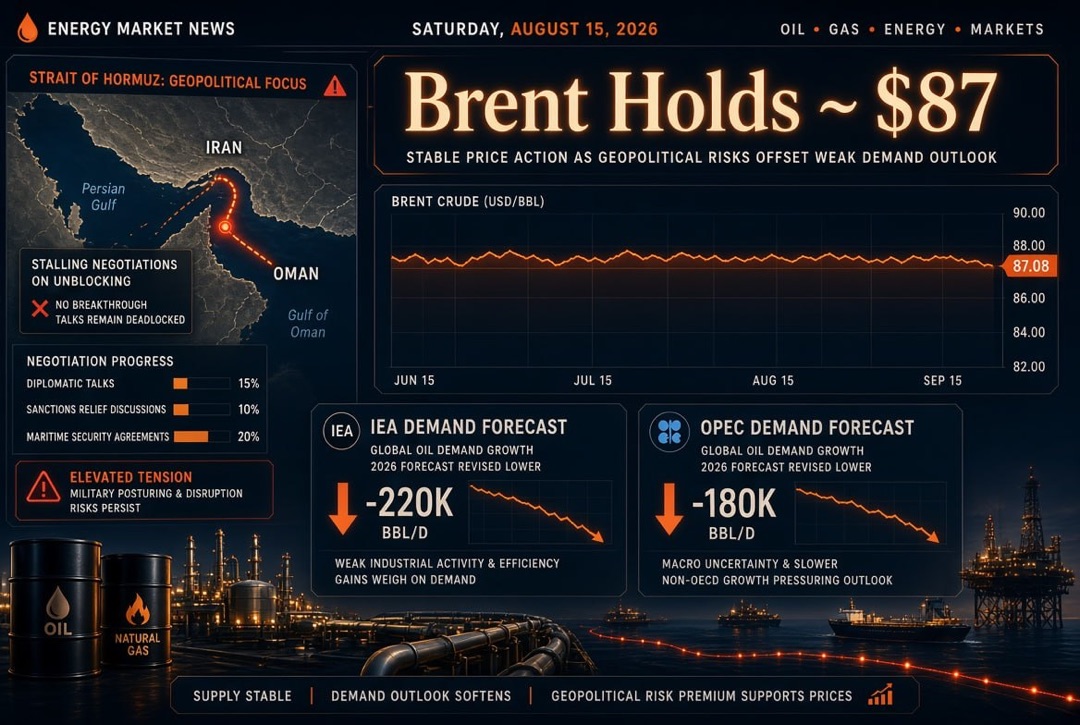
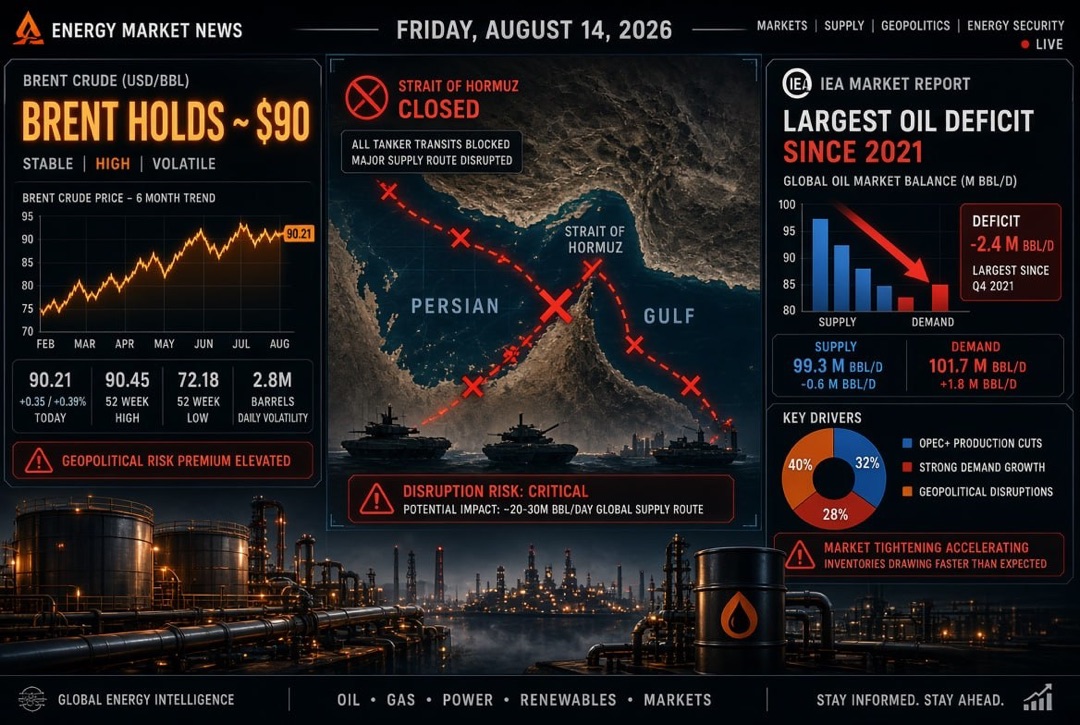
Oil prices fluctuated within a narrow range on June 3. Brent futures traded around $78.5 per barrel, WTI around $74.2. The main driver was API data showing a 2 million barrel build in US crude inventories. OPEC+ at its meeting last week confirmed production quotas unchanged, providing no clear direction. Additional pressure came from Saudi Arabia's decision to lower official selling prices for June deliveries to Asian buyers by $0.5 per barrel.
- Brent: $78.5
- WTI: $74.2
- API Inventories: +2 million barrels
- OPEC+: Quotas Maintained
The oil sector was also influenced by corporate reports. Shell reported a 15% decline in net profit due to lower refining margins, but announced an extension of its $2 billion buyback program. TotalEnergies and Chevron posted similar profit declines of 8–10%. These corporate reports on June 3, 2026—inflation, labor market, oil, and key signals for global markets—confirmed that energy companies are adapting to lower commodity prices while maintaining dividend payouts.
Corporate Reports: Technology Sector
In the spotlight was Nvidia's earnings report, released on June 3. Revenue grew 27% to $36.2 billion, with earnings per share of $1.85, exceeding analyst estimates of $1.78. However, the data center segment showed a growth slowdown to 18% from 25% in the prior quarter, prompting a 2% after-hours stock decline. Apple also pleased investors: revenue increased 5%, driven by a recovery in iPhone sales in China, where the company regained market share following price reduction campaigns.
- Nvidia: Revenue $36.2B (+27%), EPS $1.85
- Apple: Revenue +5%, Growth in China
- Microsoft: No report, but attention on cloud segment
Technology companies remain market drivers, but signals of slowing AI investment growth are prompting investors to reassess valuations. This block of corporate reports on June 3, 2026—inflation, labor market, oil, and key signals for global markets—points to the need for portfolio differentiation.
Corporate Reports: Energy and Automotive
In the automotive sector, Toyota Motor reported a 12% decline in operating profit due to higher raw material and logistics costs. The outlook for the current quarter was also revised downward; however, the company announced a new generation of electric vehicles, partially offsetting the negative. Shell and TotalEnergies, as mentioned, showed profit declines but maintained dividends. Chevron reported an 18% drop in free cash flow.
- Toyota: Operating Profit -12%, EV Launch
- Shell: Net Profit -15%, $2B Buyback
- TotalEnergies: Profit -8%, Dividends Maintained
- Chevron: Free Cash Flow -18%
These figures demonstrate cyclical slowdowns in traditional industries, a significant signal for value-oriented investors. The economic events and corporate reports on June 3, 2026—inflation, labor market, oil, and key signals for global markets—collectively paint a picture of cautious optimism with sectoral imbalances.
Global Market Reaction
US equity indices ended the June 3 session mixed. The S&P 500 rose 0.1%, Dow Jones gained 0.4%, while the Nasdaq declined 0.3% on profit-taking in technology stocks following earnings. European indices, such as the Euro Stoxx 50, posted a 0.2% gain on low inflation. Asian markets: Japan's Nikkei fell 0.5% due to a stronger yen, while China's Shanghai Composite edged up 0.1%. In currency markets, the US dollar index declined to 104.8, supporting commodities: gold rose to $2,350 per ounce, silver to $30.2.
- S&P 500: +0.1%
- Nasdaq: -0.3%
- Dow Jones: +0.4%
- Euro Stoxx 50: +0.2%
- Nikkei: -0.5%
- Shanghai Composite: +0.1%
- DXY: 104.8 (-0.2%)
- Gold: $2,350 (+0.8%)
The market reaction confirmed that participants remain sensitive to macroeconomic data and earnings, but the overall sentiment can be described as cautiously optimistic.
Signals for Investors
Analysis of the economic events and corporate reports on June 3, 2026—inflation, labor market, oil, and key signals for global markets—yields several key takeaways. First, inflation is declining in developed economies, creating conditions for an easing cycle. Second, the US labor market shows signs of cooling but remains tight enough for the Fed to avoid rushed decisions. Third, oil prices remain range-bound, with demand from China and OPEC+ decisions as key drivers. Fourth, corporate reports indicate slowing profit growth in energy and automotive, while technology retains potential from AI.
- Anticipate further declines in bond yields.
- Focus on growth stocks with high profitability metrics.
- Oil equities may be attractive for dividend strategies.
- Monitor consumer spending and retail sales data.
Thus, the economic events and corporate reports on June 3, 2026—inflation, labor market, oil, and key signals for global markets—provided an important reference for forming investment strategy in the coming months. Markets will closely watch June CPI data and central bank meetings.