Analytical Review of Key Economic Events and Corporate Reports for Sunday, January 4, 2026. Continuation of Holiday Lull, Minimal Data, and Preparation for the First Trading Week of the Year.
Sunday, January 4, 2026, unfolds against a backdrop of continuing calm in global markets following the New Year celebrations. Major exchanges in the US and Europe are closed for the holiday, and trading activity remains low as investors assess the results of 2025 and formulate strategies for the new year. No macroeconomic publications or corporate reports from major companies are anticipated today, leaving the market without new drivers for price movements. Nevertheless, market participants are utilizing this pause to analyze the released data and prepare for the first full trading week of 2026, when fresh statistical indicators and reports will begin to emerge.
Macroeconomic Calendar (MSK)
On Sunday, January 4, there are no significant macroeconomic statistics scheduled for release. Most government institutions and central banks are taking a break for the holidays, hence there are no new benchmarks. The lack of new data leaves markets without fresh guidance until the work week begins.
USA (S&P 500 Index)
- The American markets are not trading on this holiday, and no economic indicators or quarterly reports from S&P 500 companies are due on January 4. Investors in the US are reflecting on the end-of-year dynamics: during the last week of December, the S&P 500 index showed modest growth amid expectations of a dovish shift in Federal Reserve policy in 2026.
- At its December meeting, the Federal Reserve confirmed its intention to ease policy after a series of rate cuts in the second half of 2025. The slowdown in inflation closer to the target level and a stable labor market allow the regulator to signal its readiness to support economic growth. These expectations have bolstered appetite for riskier assets.
- Yields on long-term US Treasury bonds have stabilized following a recent decline, reflecting investor confidence that inflationary pressures remain under control. The upcoming release of key employment data (the Non-Farm Payrolls for December is scheduled for release at the end of the first week of January) is in the spotlight—its outcomes will help determine market sentiment on Wall Street at the start of the new year.
Europe (Euro Stoxx 50 Index)
- The European markets are also closed on January 4, and there are no new macroeconomic events in the region. The pan-European Euro Stoxx 50 index finished 2025 without significant changes, remaining near the year's peak levels. The decline in inflation at the end of the year has eased pressure on the European Central Bank, which has indicated a forthcoming end to the rate hike cycle. Bond yields in the eurozone have stabilized, and the banking sector is receiving a respite in anticipation of eased credit conditions in 2026.
- Among the corporate sectors in Europe, mixed dynamics were observed in Q4 results: banks demonstrated profit growth amid previously high rates, while industrial companies faced increased costs due to expensive energy resources. Investors on European exchanges are awaiting new data (such as business activity and consumer confidence indices early in January) to assess the prospects for corporate profits in the first quarter of the new year.
Asia (Markets of China and Japan)
- In Asia, key exchanges are closed on January 4, but attention is focused on economic signals. In China, December PMI indices indicate moderate growth in the services sector amid a weak recovery in industry, reflecting a gradual stabilization of the economy (Chinese authorities promise additional stimulus in 2026). The Japanese Nikkei 225 remains at multi-year highs thanks to a weak yen and the ultra-loose policy of the Bank of Japan: despite inflation exceeding 2%, the regulator has not yet rolled back its stimulus, which supports exporters' profitability.
Commodity and Currency Markets: Oil, Gold, and the Ruble
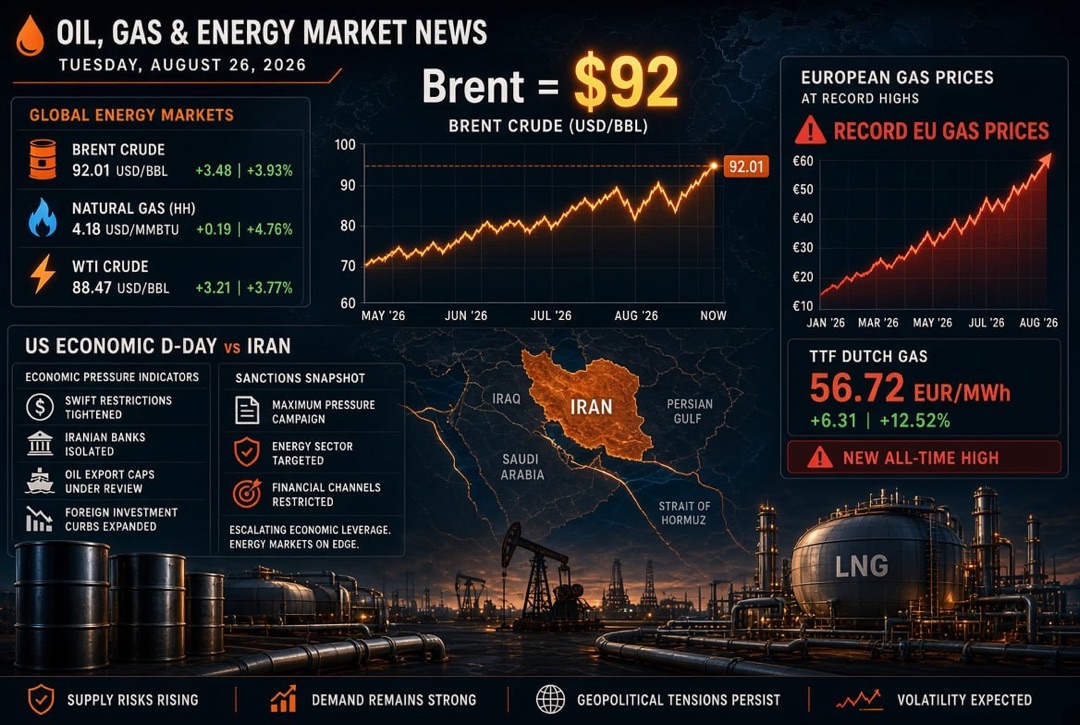
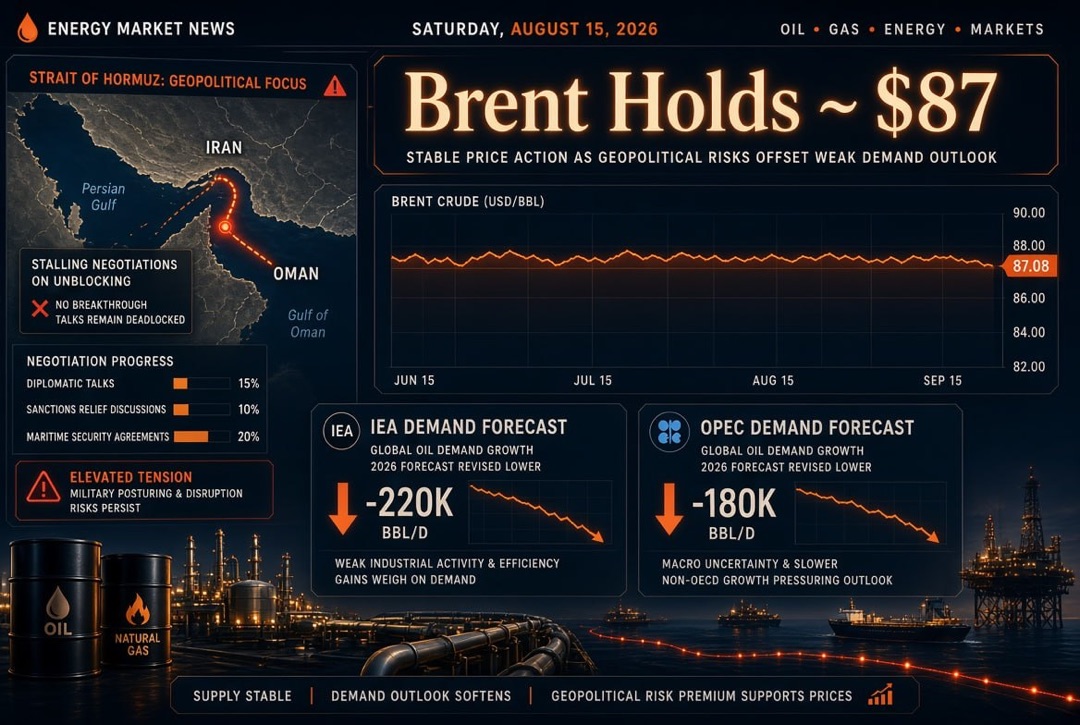
- Brent oil prices are holding steady around $75–80 per barrel, remaining stable due to the extension of OPEC+ production restrictions and solid demand; the lack of news over the weekend does not result in price fluctuations. Gold prices are also calm—the metal is trading around $2000 per ounce with minimal volatility: at the end of 2025, gold slightly appreciated amid a weaker dollar and demand for safe-haven assets, while expectations of peak interest rates continue to support interest in the precious metal.
- The ruble shows stability over the weekend. The official exchange rate of the Russian currency remains around the last closing level (approximately 75 rubles per 1 US dollar); however, trading volumes are low due to the holiday season and pause on the Moscow Exchange. The absence of external shocks and relatively stable oil prices support the ruble. Volatility in the Russian currency market will return with the reopening of trading after the New Year holidays; then the ruble's exchange rate will begin to respond to the dollar dynamics on Forex, energy prices, and potential news regarding sanctions or economic policy.
Corporate Sector: Reporting and Company Prospects
- The global corporate calendar for January 4 is empty—no major public company from the S&P 500, Euro Stoxx 50, Nikkei 225, or Moscow Exchange is publishing financial results on this Sunday. The Q3 earnings season concluded back in November, and we are now in a pause before the start of the new reporting cycle. Major corporations traditionally avoid significant announcements during the holiday period, so the business news backdrop today is neutral.
- In the US, the fourth-quarter earnings season for 2025 is just around the corner: the largest banks and technology giants will start reporting in the second half of January. Investors are cautiously optimistic about these releases—profit forecasts are generally positive thanks to resilient consumer demand and easing inflationary pressures. The previous season (Q3 2025 results) was successful for the American market: most companies exceeded profit expectations. For instance, Microsoft reported a sharp rise in revenues from its cloud division, while Walmart noted high retail sales, reinforcing faith in consumer activity.
- In Europe, the publication of financial results for the full year 2025 will begin closer to February, making January a traditionally quiet period for the European corporate calendar. Nevertheless, previous reports for Q3 generally showed decent results: many companies managed to maintain profitability. The European banking sector benefitted from higher interest rates in the first half of the year, while manufacturing corporations experienced cost pressures. Investors in the region are now focusing on macro indicators to determine whether corporate profit growth will continue amidst an economic slowdown.
Russia (Moscow Exchange Index)
- The Russian market is closed for New Year holidays on January 4 (trading on the Moscow Exchange will resume after January 8), so there are no major corporate financial reports or events occurring today. By the end of December, the Moscow Exchange index remained relatively stable, buoyed by high energy resource prices and the easing of monetary policy in Russia. Most major companies reported for the first nine months of 2025 back in autumn, showing resilient results: oil and gas giants benefited from high oil and gas prices, while banks noted increased lending activity amid a decline in the key rate set by the Bank of Russia.
- The focus for the Russian market is now shifting to external factors and governmental decisions. In the coming days, attention will be on oil price dynamics and the ruble's exchange rate, which will set the tone for the Russian market when trading opens. Furthermore, investors are monitoring potential statements from the Russian government at the start of the year—such as regarding budget policy or measures to support certain industries. Any such news, as well as global trends that emerged during the holiday pause, will form the basis for the Moscow Exchange index's movements in the first trading sessions of January.
Summary of the Day: Key Points for Investors
- Monetary Policy of the Fed and ECB: Even in the absence of new events, it is essential to consider comments and signals from central banks. If there are statements from representatives of the US Fed or ECB regarding the outlook on rates over the weekend, this could influence sentiment at the beginning of the week. Markets are pricing in an easing of policy, and any surprises in the regulators' rhetoric could adjust this optimism.
- Data from China: Statistics coming out of China in these days (such as PMI indices or trade figures) will impact global risk appetite. Unexpectedly strong or weak figures from China could set the tone for trading in Asia and, indirectly, in Europe and the US. Investors should pay attention to publications from the world's second-largest economy to assess its state at the beginning of the year.
- Commodity Prices and Geopolitics: Despite being a holiday, it is crucial to monitor news that could affect oil, gas, and metals prices. Any unplanned statements from OPEC+ or geopolitical events (such as conflict situations or sanction decisions) could trigger price spikes in commodities by the time trading opens. This will reflect on the stocks of resource companies and currencies of resource-dependent countries (including the Russian ruble).