Detailed Overview of Economic Events and Corporate Reports on January 27, 2026. EU–India Trade Agreement Summit, Lavrov's Meeting with CIS Ambassadors, US Senate Voting on Digital Assets, Key Economic Indicators of the US (ADP Employment, Consumer Confidence Index, Housing Market) and Speeches by Donald Trump and ECB President Lagarde. Energy Markets Monitor API Oil Data. On the Corporate Side — Reports from Major Companies in the US (S&P 500), Europe (Euro Stoxx 50), Asia (Nikkei 225), and Russia (MOEX).
Tuesday promises to be eventful for global markets: the day begins with a focus on diplomatic initiatives (working breakfast with CIS ambassadors by S. Lavrov and the EU–India summit in New Delhi), while the attention will shift in the afternoon to a series of data from the US — from employment and housing to consumer sentiment, as well as discussions on cryptocurrency regulation in the US Senate. In the second half of the day, markets will evaluate the rhetoric of ECB President Christine Lagarde and the public address by Donald Trump. Concurrently, the corporate earnings season is in full swing: investors will receive results from several leading US companies (spanning industrial, technology, and healthcare sectors), major European conglomerates (including leaders in luxury and industrial segments), Asian corporations, and select Russian issuers. Investors must assess all events in relation to each other: signals from US macro data ↔ expectations regarding interest rates and bond yields ↔ dynamics of the dollar and commodity prices (oil, metals) ↔ risk appetite in equity markets; meanwhile, strong corporate reports may shift the focus to specific sectors.
Macroeconomic Calendar (MSK)
- 04:30 — China: Industrial Enterprises Profit (December).
- 09:00 — Russia: Working breakfast of Foreign Minister S. Lavrov with CIS ambassadors (cooperation priorities for 2026).
- Throughout the day — India-EU: summit in New Delhi on a comprehensive trade and investment agreement.
- 16:15 — US: ADP Employment Report (weekly private labor market indicator).
- 16:30 — US: Donald Trump's speech (public address, political-economic comments).
- 17:00 — US: S&P/Case-Shiller Housing Price Index (November).
- 18:00 — US: Consumer Confidence Index CB (January).
- 18:00 — US: Richmond Fed Manufacturing Index (January).
- 18:00 — Eurozone: ECB President Christine Lagarde's speech.
- 18:00 — US: Senate Agriculture Committee — voting on the digital assets bill (cryptocurrency market regulation).
- 00:30 (Wed) — US: Weekly Oil Inventories (API).
Geopolitics: CIS and EU–India Summit
- CIS — Cooperation Priorities: The working meeting of Sergey Lavrov with the ambassadors of the Commonwealth of Independent States sets the tone for regional diplomacy. The focus is on coordinating economic initiatives, trade ties, and integration projects for 2026. Investors in the CIS region will be looking for signals regarding the further removal of barriers to business and potential joint infrastructure projects, which could support export/import-related companies.
- EU–India Summit: In New Delhi, EU leaders and India will discuss the conclusion of a large-scale free trade agreement. Key points include reducing tariffs and barriers on goods (e.g., textiles, auto parts, pharmaceuticals), investment collaboration, and coordination in technology and energy sectors. A breakthrough in negotiations could provide momentum for exporters in the EU and India, bolster European automakers and the Indian IT sector, and enhance global sentiments regarding trade development.
US: Labor Market and Consumer Confidence
- ADP and Employment Dynamics: The weekly ADP report will offer a timely assessment of the US labor market state. High hiring figures will indicate sustained demand for labor, potentially heightening expectations for a more hawkish Fed policy, while a slowdown in hiring will ease pressure on interest rates. Investors will focus on the trend: the labor market remains a key indicator that influences bond yields and the banking sector.
- Consumer Sentiment and Housing Market: The Conference Board Consumer Confidence Index for January will showcase the degree of household confidence in the economy following the holiday season. An improvement in sentiment signals a potential increase in consumer spending (support for retailers and services sector), while a decline in the index may indicate consumer caution and pressure on cyclical sectors. Simultaneously, the S&P/Case-Shiller Home Price Index will be released: continued growth in home prices amidst limited supply supports the wealth of homeowners, while a price drop could cool the construction sector. Together, data on sentiment and housing offers a picture of domestic demand in the US, affecting shares of consumer sector companies and construction firms.
Speeches of Leaders: Donald Trump and Christine Lagarde
- Donald Trump: The former US president Donald Trump is set to deliver a public speech (potentially a campaign address or comments on economic policy). Investors will pay attention to his rhetoric: criticism of the current economic course or statements regarding trade policy/tariffs could have a short-term impact on the market (especially stocks of companies sensitive to regulation and tariffs, or those related to infrastructure and energy which Trump often comments on). Any political signals will be factored in by the market concerning the 2026 election prospects and the associated risks.
- Christine Lagarde: The head of the European Central Bank will speak at a forum in the afternoon. The focus will be on assessing the Eurozone economy and inflation risks in the new year. If Lagarde hints at further rate hikes or expresses concern over high inflation, this could strengthen the euro and increase yields on European bonds, putting pressure on the Euro Stoxx 50. A softer rhetoric (e.g., signs of a pause in tightening amid economic slowdown) would support European stocks and bonds from peripheral countries. Currency and equity markets in the EU will closely analyze every statement from Lagarde in search of clues regarding the regulator's future policy.
Cryptocurrencies: Bill in the US Senate
- Regulation of Digital Assets: The US Senate Agriculture Committee is conducting a “markup” — review and voting on the digital assets regulation bill (Digital Commodities Act). Key aspects include delineating the SEC's and CFTC's regulatory powers over the cryptocurrency market, requirements for crypto exchanges, and investor protection. If the bill moves forward, the market will perceive this as a significant step towards creating clear rules for cryptocurrencies and stablecoins in the US. This could increase price volatility for Bitcoin and altcoins: positive signals such as regulatory clarity may temporarily support quotes and stocks of crypto companies, while stringent restrictions or delays could lead to sell-offs. Investors dealing with crypto assets should be prepared for rapid price fluctuations during discussions regarding the law.
Asia: China's Industrial Profits
- China's Industrial Profits: China has published data on the profits of large industrial enterprises for December. Against the backdrop of a moderate economic recovery, this indicator showcases how effectively the industrial sector is managing the consequences of last year's downturn. Importantly, over the 11 months of 2025, total profits barely exceeded the previous year's level (~+0.1% y/y), and any further growth, even by fractions of a percent, will signify a positive trend. Improvement in factory profitability will indicate a revival in domestic demand and the effectiveness of government incentives, which is positive for metal prices and shares of Chinese companies. If profits continue to stagnate or decline, this will heighten concerns regarding the slowdown of the world's second-largest economy and may pressure commodity markets (especially metallurgy) and the Hang Seng/Shanghai Composite index.
Oil Market: API Stocks
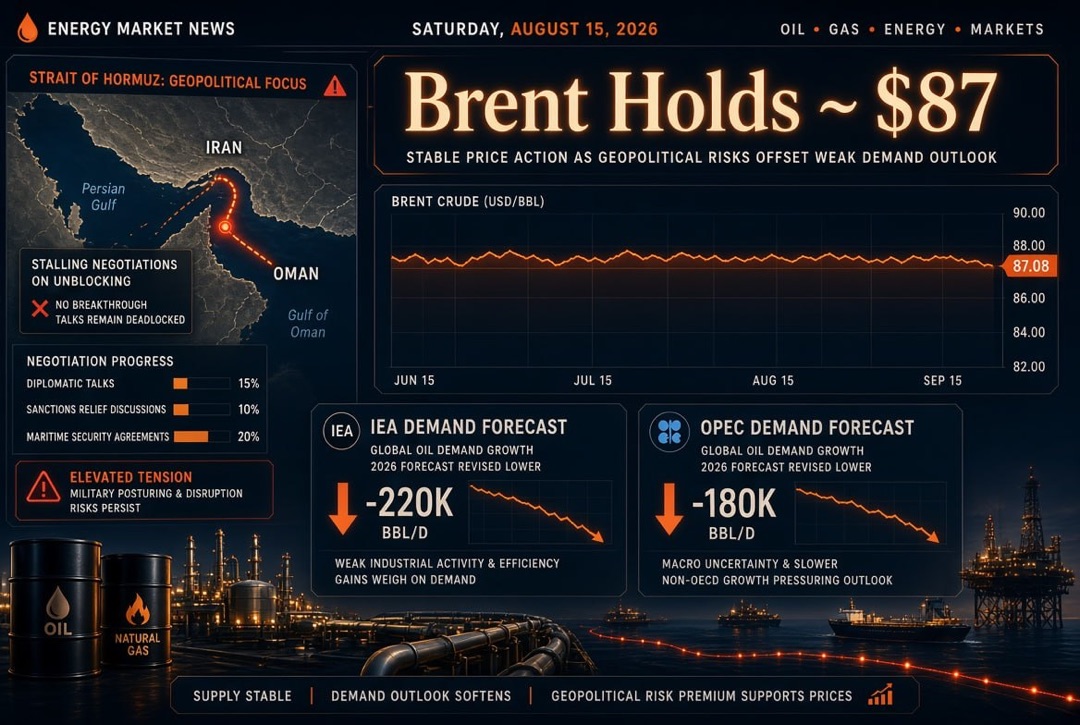
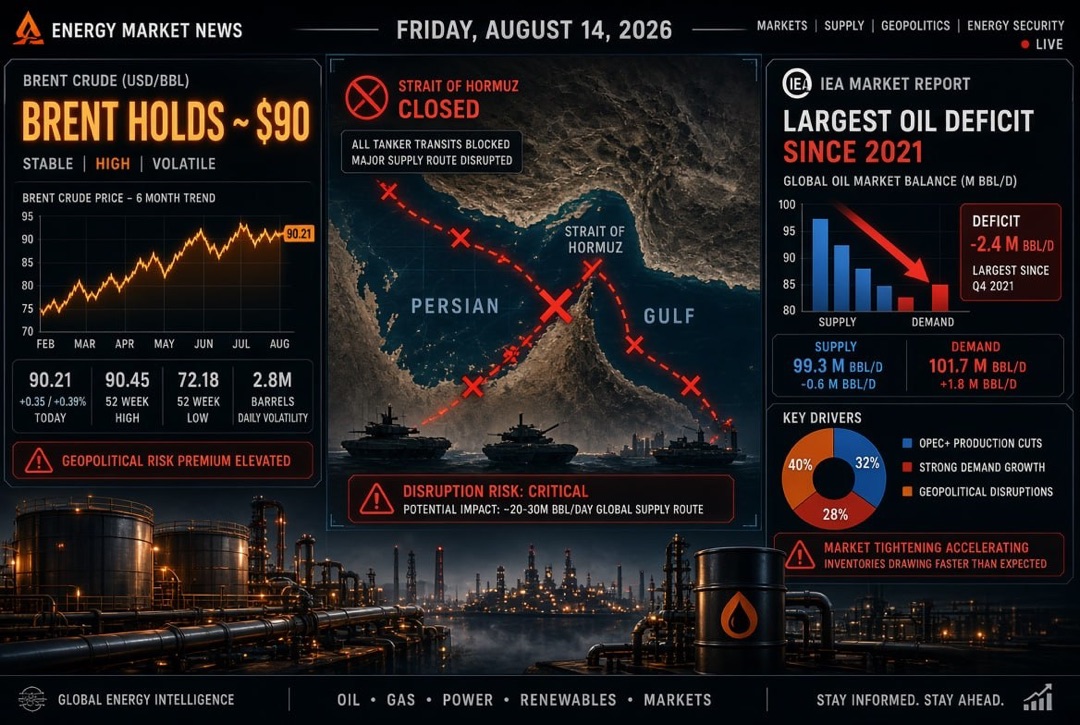
- Oil and Stocks: The American Petroleum Institute (API) will publish the assessment of changes in commercial crude oil and petroleum product stocks for the week. This unofficial report is released late in the evening and sets the tone ahead of Wednesday's official EIA statistics. Traders will focus on the trend: continued reductions in US oil stocks will indicate strong demand and support for Brent/WTI prices, while an unexpected increase in reserves may lead to short-term price declines. The oil market currently experiences a sensitive balance: geopolitical risks and demand from China keep prices elevated, but inventory increases or production in the US could limit any rally. The reaction of oil futures to API data may also affect currencies of commodity-exporting countries (e.g., the Canadian dollar) and shares of oil and gas companies.
Earnings Reports: Before Market Opens (BMO, US and Asia)
- UnitedHealth Group (UNH) — health insurance, the largest health insurer (Dow Jones). Focus: medical expense ratio in the fourth quarter (growth in treatment costs vs. insurance premiums), growth in the number of insured (especially Medicare/Medicaid) and guidance for 2026. Stable expenses and a positive guidance will support healthcare sector stocks, while rising costs or cautious forecasts may pressure the entire managed care segment.
- Boeing (BA) — aerospace and defense. Key point: volume of commercial aircraft deliveries for the quarter (production rates for 737 MAX and 787 Dreamliner), progress in resolving supply chain bottlenecks, and new orders from airlines. Investors will also be looking for comments on profitability and free cash flow (important following the resumption of deliveries and increase in production). Successful ramp-up of airline output and a robust order book will support Boeing and related manufacturers, while any disruptions or managerial caution could hit the aviation sector.
- RTX Corporation (RTX) — aerospace and defense conglomerate (combining Pratt & Whitney, Collins, Raytheon). Looking at: defense segment (growth in orders for air defense systems, munitions amid global tensions) and civil segment (resolution of Pratt & Whitney engine issues for Airbus, recovery of air travel). Investors are waiting for updates on resolving technical issues and margin forecasts. A strong defense backlog and progress in the aviation division will support RTX shares, while any new costs or delays could trigger negative reactions.
- United Parcel Service (UPS) — logistics and express delivery. Important: results of the holiday season (parcel volumes in November–December), effects of recent agreements with unions on costs and margins, as well as management's demand forecast for 2026. If UPS reports revenue growth during the sale season and stable operational margins, this will strengthen confidence in consumer demand and support the transportation sector shares. Any reductions in volumes or cautious forecasts (e.g., due to economic slowdowns) could trigger sell-offs not only for UPS but also for competitors (FedEx) and related e-commerce companies.
- General Motors (GM) — automotive industry. Key metrics: sales and automotive production in the fourth quarter, particularly dynamics in electric vehicles (EVs) and popular pickups/SUVs, as well as the impact of recent strikes and the new agreement with unions on costs. Investors will assess whether GM has managed to catch up on production after the autumn strike and how this has impacted profitability. Margin forecasts in the context of high rates and car prices will be in focus. A confident tone from management and progress in EVs (for example, increasing model output and battery improvements) will support GM and the entire auto sector, while weak results or costs from labor disputes will heighten pressure on automakers.
- Union Pacific (UNP) — railway freight. Focus: freight turnover and revenue across key cargo categories (industrial goods, agricultural products, containers) for the quarter, as well as operational ratio (operational efficiency). Railway traffic serves as a barometer for the economy: an increase in shipments will indicate a revival in industrial and trade activity in the US, which is positive for UNP and other rail companies' shares. If volumes have declined (for example, due to weak grain or coal exports), management will need to showcase cost reductions to maintain profits. Improvements in operational metrics and optimism regarding freight flows will support stock prices, while weak demand may lower investor interest in the transportation logistics sector.
- Northrop Grumman (NOC) — defense industry. Key focus: the influx of new orders and growth in backlog (particularly in drone, missile, and space systems) amid increased US and allied military spending, as well as project profitability. The company has several mega-projects (stealth bomber B-21 Raider, NASA programs); investors are expecting updates on their progress. A strong contract inflow and confirmation of sales forecasts will strengthen NOC shares, which are already in an upward trend due to global geopolitics. Any delays or issues with contract execution may temporarily dampen investor enthusiasm in the defense segment.
- NextEra Energy (NEE) — electric power and renewables. Key results: financial performance of the core utility business (Florida Power & Light) and growth in renewable generation capacity (wind farms, solar plants). NextEra is a leading “green” energy company, hence investors are closely monitoring its project portfolio: commissioning of new capacity in 2025-26, impact of rising rates on financing these projects (a challenge that previously led to declines in shares of the subsidiary NextEra Energy Partners). If the company confirms expansion plans for renewable energy generation while managing expenses, it will restore confidence in the renewable energy sector. Particular attention will be on management's profit and dividend forecasts: stable growth can support NEE shares, while cautious expectations or mention of difficulties (for example, rising costs of loans) could increase volatility in the shares.
- Kimberly-Clark (KMB) — consumer goods (manufacturer of brands such as Kleenex, Huggies, etc.). Focus: organic growth in sales and changes in volumes across key categories (diapers, toilet paper, etc.), as well as the level of operating margin. In the context of falling raw material inflation, investors hope to see a restoration of margins if the company hasn't lost volume due to price increases. Any signals of slowing demand (for example, declining sales in emerging markets or heightened competition from retailers' private labels) could alarm the market. Conversely, stable results and an optimistic outlook for consumer demand may support not only Kimberly-Clark shares but also those of other FMCG giants (Procter & Gamble, Colgate-Palmolive).
- HCA Healthcare (HCA) — hospital clinics and medical centers. Key metrics: bed occupancy and number of procedures/surgeries (reflecting demand for elective medical services), revenue growth rates in comparable hospitals, and staff expenses. Last year, the hospital sector faced nursing shortages and rising salaries; HCA's progress in hiring and retaining staff will affect costs. If HCA shows an increase in patient flows and stable margins, this signals a normalization in healthcare, which is positive for the entire sector. Management warnings about rising expenses or weak demand for elective services may adversely impact HCA and its competitors' stocks.
Earnings Reports: After Market Closes (AMC, US)
- Texas Instruments (TXN) — semiconductors (analog-digital chips). Focus: demand from TXN's main client segments – automotive, industrial equipment, and electronics. The company often provides a conservative outlook, making the Q1 2026 forecast crucial: will weakness in chip demand persist or is a recovery expected? Investors will also look at inventory levels: lower inventories will indicate the restoration of the demand-supply balance in the supply chain. A positive demand outlook (for example, due to automotive electronics) may lift stocks in the entire chip sector, while cautious comments or sales declines will increase pressure on semiconductor companies.
- Seagate Technology (STX) — data storage (hard drives). Key point: trends in orders from cloud data centers and corporate customers. Following a downturn in the memory and storage markets in 2023, investors expect signs of demand recovery. Focus will also be on Seagate's own optimization measures: cost cuts, a pipeline of new products (high-capacity HDDs), and balance sheet status. If the company reports an increase in orders from major cloud players and improved backlog, STX shares will be supported. Continued demand weakness or low utilization of production capacities may lead to downward profit forecast revisions.
- F5, Inc. (FFIV) — technologies for networks and cybersecurity. Key focus: sales of software and equipment for traffic and application management. F5 has been transforming in recent years, focusing on software and subscription services. Investors will assess the growth of subscription revenue and cloud solutions, as well as demand from corporate IT budgets. If results and forecasts indicate that the company is able to grow software sales despite cautious customer spending, F5 shares will be supported. Weak results or complaints about reduced corporate spending on infrastructure may negatively affect not only F5 but also other companies in the cybersecurity sector.
- Jack Henry & Associates (JKHY) — financial technology (software for banks and credit unions). Important: growth rates of their customer base among regional US banks and demand for upgrades of core banking systems. Rising interest rates and issues faced by certain banks may have prompted financial institutions to cut IT budgets. Investors will be looking for signals in Jack Henry's report on whether demand for their solutions has recovered. Robust revenue growth and new contracts with banks will support JKHY shares, demonstrating resilience in fintech demand. However, if management reports delays in deals or customer budget cuts, this could raise concerns across the banking software sector.
- Boston Properties (BXP) — real estate investment trust (office properties, US). Focus: occupancy rates of office spaces in key cities (New York, San Francisco, Boston), rental rate trends, and renewals/terminations of contracts by major tenants. With many companies transitioning to hybrid work formats, the office segment is under pressure. Investors will assess whether BXP has stabilized vacancies and rental income. Additionally, comments on property revaluation and debt levels (given rising rates) are important. Positive news about new tenants or slow vacancy growth may trigger a rebound in BXP shares and other office REITs, while worsening metrics (e.g., decline in occupancy rates, falling profits) may heighten concerns regarding commercial real estate.
- Manhattan Associates (MANH) — software for supply chain and inventory management. Key focus: demand from retailers and logistics companies for warehouse management system updates, implementation of MANH's cloud solutions. Retail experienced a wave of digitalization during the pandemic; investors want to understand if investment activity in supply chain software remains strong. If Manhattan Associates shows growth in subscriptions to its cloud platforms and expansion of contracts with major retailers, this signals that companies are continuing to invest in optimizing their supply chains — positive for MANH shares. Any signs of market saturation or project postponements may lead to a reevaluation of the company's growth prospects.
- Vale S.A. (VALE) — mining (Brazil, one of the largest iron ore producers). Important indicators: iron ore and non-ferrous metals production volume in Q4, export shipments to China, as well as updates on production forecasts for 2026. Moreover, Vale may disclose information about production costs and progress in restoring capacities (after previous limitations). For the commodities market, Vale's report serves as a benchmark: production growth amidst stable demand from China may exert downward pressure on ore prices, while any disruptions or conservative output plans may support commodity prices and shares of metallurgical companies. Investors are also awaiting news on return of capital (dividends, buybacks), which is relevant amid high profits in the commodity cycle.
- Synchrony Financial (SYF) — consumer credit (installment cards and private labels). Key metrics: loan issuance volumes and dynamics of delinquent debt in the portfolio. In the context of high interest rates and record growth in credit card debt in the US, investors are particularly focused on the charge-off rate at Synchrony. Moderate growth in delinquencies, supported by conservative provisioning, will indicate that consumers are still managing their debts, which is positive for SYF and the banking sector. However, a rise in defaults or negative forecasts for asset quality may trigger sell-offs not just for Synchrony, but also for other credit card issuers (Capital One, Discover).
- PPG Industries (PPG) — materials, industrial chemicals (one of the market leaders in coating products). Key focus: organic sales growth across regions and segments (automotive paints, construction coatings, packaging, etc.), as well as the company's ability to maintain high product prices despite declining raw material costs. If PPG manages to translate falling prices of raw material components (oil, chemicals) into improved margins, it will support profits. There is special interest in demand from China and Europe: recovery in industrial activity there is stimulating consumption of coatings. Strong results from PPG and optimism regarding demand may support shares in the chemical sector in the US and Europe (AkzoNobel, etc.), while a weak report (e.g., volume declines due to weak real estate markets) may alarm investors about global industrial demand.
- Sysco (SYY) — food distribution (largest supplier for restaurants and hotels in North America). Focus: growth in revenue from comparable sales (reflecting demand from the restaurant business) and state of margins. The restaurant sector has recovered from the pandemic, and resilience in Sysco's orders signals the health of the hospitality industry. Investors are waiting to see if the recent slowdown of food inflation has impacted price trends and Sysco's margin: the company may have benefited from stabilization in food costs. If the report shows significant growth in delivery volumes and improved profits, SYY and similar companies (US Foods) shares will be supported. Any signs that restaurants are cutting back on orders (e.g., due to declining patronage or cost-savings) could adversely affect Sysco's future profit outlook.
Other Regions and Indices: Euro Stoxx 50, Nikkei 225, MOEX
- Euro Stoxx 50: On January 27 in Europe, one of the important corporate events is the report from LVMH (world’s largest luxury goods manufacturer) for Q4. Investors will monitor how the luxury segment fared at the year-end, especially considering demand in the US and China: strong sales from LVMH may support shares in the luxury sector (Kering, Hermès) and give momentum to the overall Euro Stoxx 50. Furthermore, macro factors such as the outcomes of the EU–India summit (opportunities for EU exporters) and Lagarde’s rhetoric (expectations on ECB interest rates) will influence European market sentiments. Overall, if external risks are perceived as moderate, Euro Stoxx 50 may continue to rise, whereas negative surprises (poor corporate results or strict ECB signals) may heighten caution and demand for safe assets.
- Nikkei 225 / Japan: Tokyo continues the financial reporting season for Q3 of the 2025 financial year. Several major companies will present results, such as the chemical giant Shin-Etsu Chemical reporting on demand for plastics and electrochemical products, while various automakers and technology firms also publish quarterly data. The Japanese market will assess how the yen's decline and the post-pandemic economic relaunch have affected the profits of export-oriented companies. Improvements in results and forecasts (especially from electronics and auto parts manufacturers) may support the Nikkei 225 index, while weak reports could lead to local corrections. Additionally, investors are keeping an eye on the Bank of Japan's policy: any rumors of a shift in monetary course may introduce volatility in Japanese stocks and the yen’s exchange rate.
- MOEX / Russia: On the Moscow Exchange on January 27, no reports from the blue-chip companies are expected — the bulk of annual results from Russian companies will be published in February and March. However, several medium-sized issuers may reveal operational metrics for December or Q4 (e.g., retail chains following holiday sales or mining companies on production metrics). Investor attention is also focused on external factors: geopolitical news (CIS meeting) and global commodity trends will affect the dynamics of the MOEX index. Rising prices for oil and metals could support the Russian market, offsetting the impact of sanction risks. Overall, the MOEX indicator will react to the general risk appetite in emerging markets: in a favorable external environment (stable dollar, rising emerging markets), Russian stocks may continue their gradual ascent.
Day Summary: What Investors Should Focus On
- US Macroeconomic Data: Labor market indicators (ADP) and consumer confidence will act as important triggers: an unexpected rise in hiring or citizen optimism may heighten expectations for tighter Fed policy and briefly increase index volatility (S&P 500, Nasdaq), while signs of economic cooling may support bonds and defensive stocks. Be prepared for quick market movements immediately following these data releases.
- Cryptocurrency Regulation: Progress in the adoption of US legislation on digital assets could significantly swing the price of Bitcoin and shares of crypto companies. Investors dealing with cryptocurrencies should closely monitor news from Capitol Hill during the trading session and consider possible spikes/drops in prices in this news environment.
- Speeches by Leaders and Central Bankers: If Lagarde's speech hints at a change in the ECB's course, this will impact the euro and European assets. Similarly, statements by Donald Trump may locally affect certain sectors (energy, defense, trade). It is crucial to evaluate these signals through the lens of long-term policy: panic movements may present opportunities for more advantageous entries or exits.
- Corporate Results on Both Sides of the Ocean: Before market opens, special attention should be paid to the UnitedHealth report (a healthcare indicator) and the results from Boeing (setting the tone for the industrial sector). After market closes, the Texas Instruments report will set the mood for the technology sector. Strong reports and optimistic forecasts from these leaders may shift market focus from macroeconomic risks to growth stories of individual companies, while disappointments may enhance overall negative sentiment.
- Risk Management: The day concentrates on several divergent events (data, policy, earnings), increasing the likelihood of volatility spikes. Investors are advised to pre-determine key levels for their positions and set limit orders or stop-losses in case of sharp movements. Diversifying across different asset classes and utilizing hedging instruments (options, futures) will help protect the portfolio if news leads to unexpected market reactions.
On Tuesday, a wide range of signals will emerge for the market – from diplomatic agreements to corporate financial results. A rational approach and attentive tracking of news will assist investors in timely identifying new trends and adjusting strategy in line with changing conditions.