Current Cryptocurrency News as of November 30, 2025: Bitcoin Approaches $90K, ETH Dynamics and Top 10 Cryptocurrencies, Key Market Trends, and Analysis for Investors.
As we approach the end of November, the cryptocurrency market is experiencing relative calm following a period of sharp fluctuations. The total market capitalization remains around $3 trillion, having slightly retreated from the record highs established earlier this autumn. Investors are noting the stabilization of major digital asset prices and a gradual return of confidence. Key cryptocurrency news in recent days includes a price recovery following a recent correction, along with signs of increased interest from institutional players.
Bitcoin Stabilizes After Correction
The focus remains on Bitcoin (BTC), which is consolidating around the $90,000 mark after a rapid rise followed by a pullback. In October, the flagship cryptocurrency reached a new historical peak of around $126,000; however, November saw a correction of approximately 30%. The Bitcoin price has now stabilized, demonstrating resilience in the face of macroeconomic risks. Volatility has decreased compared to the month's peak values, indicating a degree of market calming. Many traders and analysts are hopeful for a so-called "Christmas rally," a traditional price increase toward the end of the year, although for this to materialize, Bitcoin must surpass the psychologically significant level of $100,000.
Bitcoin's market capitalization share is hovering around 55-60%, underscoring its dominance in the market. Despite recent fluctuations, long-term BTC holders remain confident: large addresses (known as "whales") are not rushing to sell their accumulated coins. The current situation reflects that Bitcoin continues to serve as a digital equivalent of gold, acting as a means of capital preservation for many investors.
Ethereum and Leading Altcoins
The second-largest digital asset by market capitalization, Ethereum (ETH), is also showing signs of recovery. ETH's price has risen to around $3,000, gradually reclaiming ground that was lost during the broader market pullback. Ethereum remains the foundational platform for numerous decentralized applications and finance (DeFi), and investor interest remains robust. The network's transition to a Proof-of-Stake algorithm and further technical upgrades aimed at enhancing scalability and reducing fees bolster the community's trust in Ethereum's long-term potential.
Among altcoins, mixed dynamics are observed. Several leading coins have begun to rise after the correction: for instance, Ripple (XRP) confidently hovers above $2 due to a legal victory and expanded application in banking payments. Binance Coin (BNB) is trading close to $900, reflecting the resilience of the Binance ecosystem. The Solana (SOL) platform continues its recovery, with the price of SOL exceeding $130, indicative of renewed investor confidence and an uptick in DeFi and NFT activity on its platform. At the same time, sentiment in the altcoin segment remains cautious, as many market participants currently prioritize large projects with stable capitalization while avoiding excessive risks in smaller tokens.
Macroeconomic Background
In November, tempered sentiment characterized the macroeconomic landscape: the Federal Reserve signaled that it is in no rush to lower interest rates, which cooled investors' appetite for riskier assets and partially triggered the correction in the crypto market. However, by the end of the month, conditions had improved somewhat: sustained growth in stock indices (with NASDAQ showing its best performance in recent months) and expectations of rate cuts in 2026 supported the recovery of digital asset prices. These factors strengthened hopes for a cautious market improvement as we approach the start of the new year.
Regulation and Global Adoption
Regulatory issues continue to play a crucial role in shaping the investment climate surrounding cryptocurrencies. The year 2025 has marked significant progress on this front. In the European Union, comprehensive regulations for the crypto industry (MiCA directive) came into effect, establishing uniform requirements for crypto exchanges, wallet providers, and stablecoin issuers. These regulations have increased market transparency and enhanced investor protection, which has been positively received by the industry. In the United States, regulators are also demonstrating a more flexible approach; following the approval of Bitcoin-based exchange-traded funds, discussions are underway for launching ETFs for other crypto assets, including Ethereum. Moreover, financial authorities have allowed banks to provide cryptocurrency custody services, removing some institutional barriers to entry into the sector.
Similar trends are visible in other global markets: crypto-friendly jurisdictions (such as Hong Kong, Singapore, and the UAE) are attracting blockchain companies and capital, while central banks in many countries are already experimenting with their own digital currencies (CBDCs). The increased legal clarity and government support for innovation enhance investor confidence and contribute to broader cryptocurrency adoption worldwide.
Top 10 Most Popular Cryptocurrencies
Under the current market conditions, investors are primarily focusing on the most well-known and liquid digital assets. Below is a list of the top 10 popular cryptocurrencies as of the end of November 2025, which are attracting the most attention:
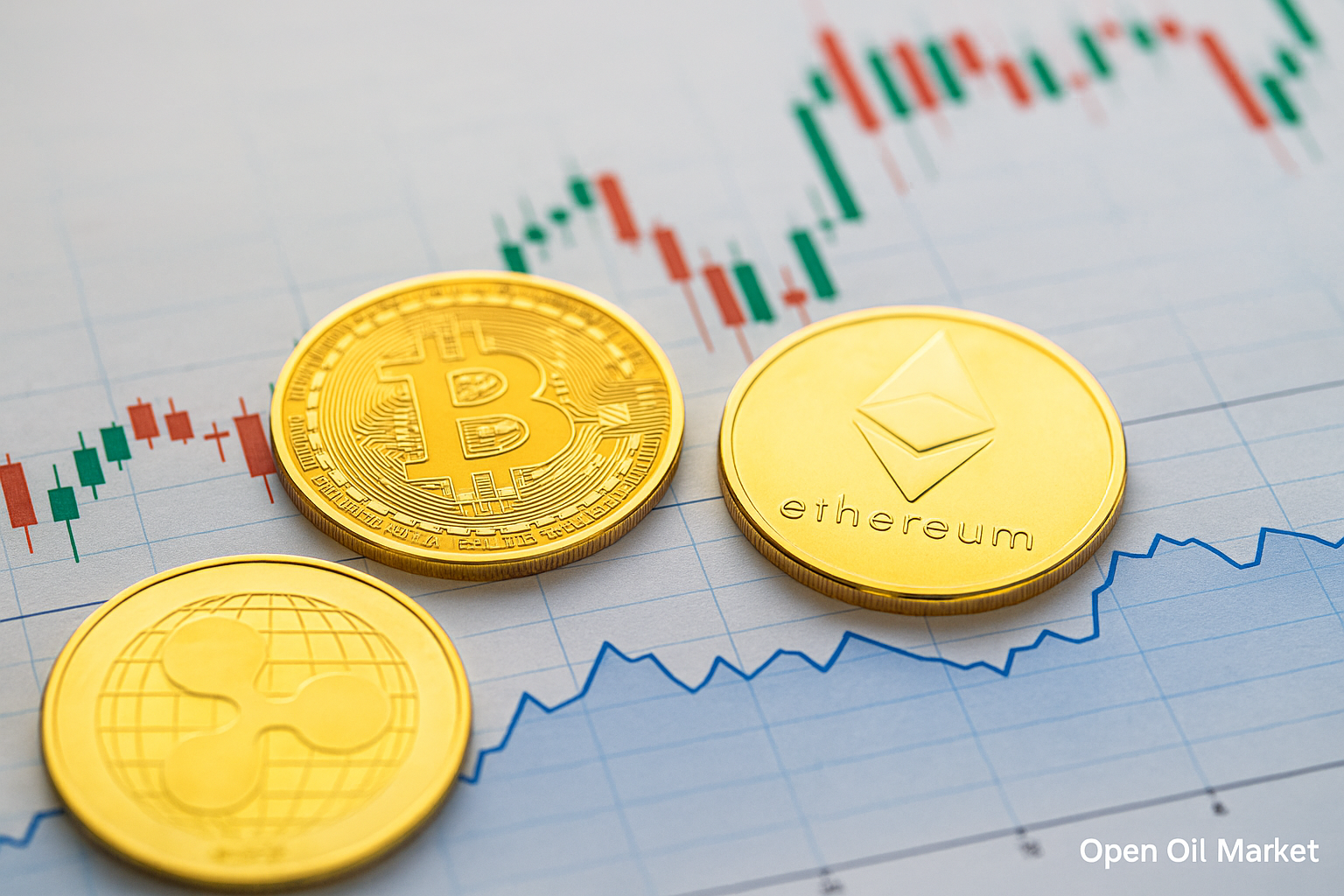
- Bitcoin (BTC) – The first and largest cryptocurrency, often referred to as "digital gold." BTC is currently trading around $90,000, remaining the primary asset for long-term investments due to its limited supply and widespread recognition.
- Ethereum (ETH) – The leading smart contract platform on which most DeFi and NFT projects operate. ETH is trading around $3,000. The network's recent transition to Proof-of-Stake and plans for further scaling enhance Ethereum's dominant market position.
- Ripple (XRP) – The token of the Ripple payment platform for fast international transfers. In 2025, XRP surpassed $2 following Ripple's court victory and expanded use in banking transactions. This coin remains among the most popular altcoins due to its real applications in payments.
- Binance Coin (BNB) – The token of the largest cryptocurrency exchange, Binance, and the primary coin of the BNB Chain. BNB is trading near historical highs (~$880) and is in demand due to its extensive use within the Binance ecosystem (fee payments, access to platform services) and the popularity of BNB Chain in the DeFi sector.
- Solana (SOL) – A high-speed blockchain designed for scalable applications. SOL's price has surpassed $130, reflecting returning investor confidence and increased DeFi and NFT activity on this platform.
- Tron (TRX) – A blockchain platform widely used for issuing and transferring stablecoins (such as USDT). TRX maintains its leader status, trading around $0.28. Tron attracts users with low fees and the development of its decentralized ecosystem.
- Dogecoin (DOGE) – The most well-known meme coin initially created as a joke project. DOGE is trading around $0.15. Although it lacks serious utilitarian value, Dogecoin is supported by an active community and periodically receives price boosts due to social media hype and celebrity mentions.
- Cardano (ADA) – A blockchain platform that evolves with a scientific approach and rigorous testing of innovations. ADA is trading around $0.42. The project attracts investors with its well-thought-out roadmap, focus on security, and active community.
- Chainlink (LINK) – A leading decentralized oracle that provides external data to smart contracts. LINK's price (~$13) has risen due to high demand in DeFi, where many protocols rely on Chainlink's services.
- Hyperliquid (HYPE) – The new token of the decentralized exchange Hyperliquid, aimed at derivatives trading. HYPE has quickly appreciated in value due to the innovative platform with high transaction execution speed. Although the project is still young and risky, its popularity indicates demand for high-speed DeFi solutions.
Outlook and Conclusions
As we stand on the threshold of December, the cryptocurrency market is exhibiting a combination of caution and optimism. After the turbulence experienced in November, investors are evaluating the sector's future prospects. On one hand, risks remain: the global economy is still adjusting to changes in monetary policy, and high volatility may continue in the short term. On the other hand, fundamental factors—such as Bitcoin's limited supply and growing institutional participation—provide a solid foundation for the long-term growth of cryptocurrencies.
Many experienced investors view corrections as opportunities to increase their positions, believing in the further expansion of cryptocurrency technologies. If macroeconomic conditions improve and regulatory support persists, the digital currency market may initiate a growth revival. Overall, late November 2025 cryptocurrency news indicates a strengthening of the industry: despite temporary upheavals, the crypto market demonstrates adaptability and progress, remaining an attractive avenue for investors worldwide.