Cryptocurrency News for Thursday, May 21, 2026: Bitcoin Holds the Market Around Key Levels as Investors Assess ETF Outflows, Fed Decisions, Stablecoins, and the Dynamics of the Top 10 Cryptocurrencies
The cryptocurrency market enters Thursday, May 21, 2026, in a cautious recovery mode following a volatile week. Bitcoin is trading around $77,000, Ethereum is holding near $2,100, and Solana remains close to $85. For global investors, the key question now is not about the short-term movement of a single coin, but whether the digital asset market can return to sustainable demand from institutional players after outflows from cryptocurrency ETFs, pressures from the bond market, and geopolitical uncertainty.
The main topic of the day is the resilience of Bitcoin as the foundational asset of the crypto market. Following a decrease in risk appetite, investors are closely monitoring the dynamics of spot ETFs, the yields on U.S. Treasury bonds, expectations regarding Fed policy, demand for stablecoins, and the behavior of the largest altcoins. In this context, cryptocurrency news is increasingly dependent not just on the blockchain sector but on the broader picture of global financial markets.
Bitcoin Remains the Key Indicator of the Crypto Market
Bitcoin continues to serve as a key benchmark for the entire cryptocurrency market. Its movement around $77,000 indicates that investors are not yet ready for aggressive selling but are not showing a full return to risky assets either. For institutional capital, this range becomes an assessment zone: some market participants see the dip as an opportunity to accumulate, while others prefer to reduce leverage and wait for clearer macroeconomic signals.
An important factor for Bitcoin is the state of the ETF market. Outflows from cryptocurrency funds increase pressure on prices, as ETFs have become one of the main channels for traditional investors entering digital assets. If outflows continue, Bitcoin may remain within a sideways range. Conversely, if demand for ETFs recovers, the market will gain a new argument for growth.
Ethereum: The Market Awaits Recovery in Demand for Infrastructure Assets
Ethereum is trading around $2,100 and remains the second most significant asset in the cryptocurrency market. For investors, Ethereum is important not only as a digital asset but also as an infrastructure platform for DeFi, tokenization of real-world assets, stablecoins, and corporate blockchain solutions.
Ethereum's weakness compared to historical highs shows that the market remains cautiously assessing the prospects for altcoins. Investors are observing several factors:
- the inflow and outflow dynamics of Ethereum ETFs;
- activity in the DeFi sector;
- demand for the tokenization of real-world assets;
- competition from Solana, BNB Chain, and other networks;
- overall liquidity in the global cryptocurrency market.
If Bitcoin stabilizes, Ethereum may receive support as the main beneficiary of the renewed interest in infrastructure crypto assets.
ETF Outflows Become the Primary Short-Term Risk
For the cryptocurrency market on May 21, 2026, capital flows into exchange-traded funds remain a key signal. Outflows from Bitcoin and Ethereum ETFs indicate that some investors are taking profits or reducing risk amid uncertainty. This is particularly important for the global market, as spot ETFs have become a bridge between traditional finance and digital assets.
For investors, it is crucial to track not only the price of Bitcoin but also the structure of demand. If the market rises on low liquidity and without ETF support, such movement may be short-lived. Conversely, if the growth is accompanied by capital inflows into the funds, this increases the likelihood of a more sustainable recovery.
Macroeconomics: Fed, Bond Yields, and the Dollar Influence Cryptocurrencies
Cryptocurrencies are becoming increasingly dependent on the macroeconomic environment. High yields on U.S. bonds reduce the attractiveness of risky assets, including Bitcoin, Ethereum, and altcoins. Investors are also assessing signals from the Fed regarding inflation, interest rates, and the state of the economy.
If the market begins to price in a more accommodating monetary policy, cryptocurrencies could receive support. However, if inflation risks increase and bond yields remain high, pressure on digital assets will persist. For global investors, the cryptocurrency market is currently moving in line with technology company stocks: the higher the risk appetite, the stronger the demand for Bitcoin, Ethereum, and Solana.
Geopolitics and Oil Increase Investor Caution
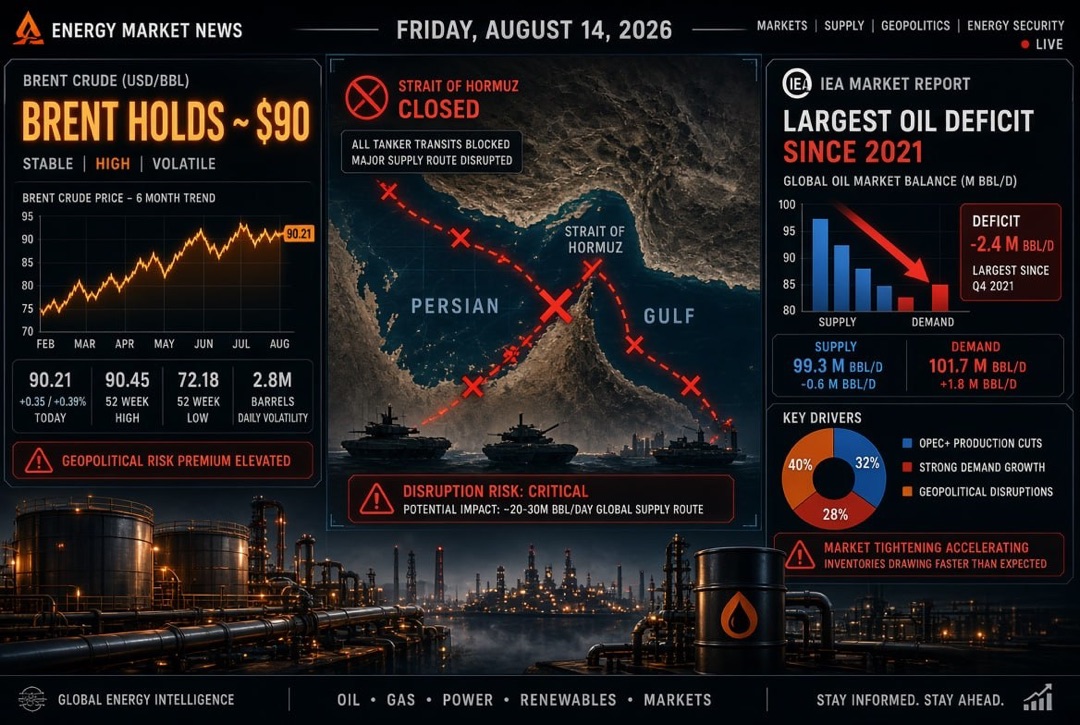
Geopolitical tension remains an important factor for all risky assets. The market is assessing the situation in the Middle East, the potential impact on oil prices, inflation, and central bank decisions. For cryptocurrencies, this is a dual-factor. On one side, Bitcoin is sometimes perceived as an alternative asset outside the banking system. On the other hand, in the event of a sharp increase in global risk, investors often retreat to the dollar and Treasury bonds, reducing positions in cryptocurrencies.
This is why Bitcoin's movement around $77,000 appears not as a confident bullish impulse but as cautious stabilization. The market needs a new driver: a resurgence of ETF inflows, declining bond yields, improving sentiment in the stock market, or positive regulatory news.
Stablecoins: Global Liquidity in the Crypto Market Remains a Focus
Stablecoins remain a systemic part of the cryptocurrency market. Tether USDT and USDC are among the largest digital assets by market capitalization and serve as the primary settlement liquidity for traders, exchanges, DeFi protocols, and cross-border payments.
For investors, stablecoins are important for three reasons:
- they indicate the level of free liquidity within the crypto market;
- they connect digital assets to the dollar financial system;
- they are becoming a regulatory focus in the U.S., U.K., Europe, and Asia.
Easing or clarifying rules for stablecoins could support the market, as institutional participants need transparent conditions for reserve storage, conducting payments, and working with digital dollars. Conversely, stringent regulation could limit the growth of certain market segments.
Altcoins: Solana, XRP, BNB, and TRON Maintain Investor Interest
Among altcoins, investors continue to highlight Solana, XRP, BNB, and TRON. Solana is trading around $85 and remains one of the key assets for high-performance blockchain applications, DeFi, consumer services, and meme tokens. BNB retains significance as an ecosystem token linked to the Binance infrastructure and BNB Chain.
XRP is of interest to the market as an asset associated with cross-border payments and institutional settlements. TRON maintains its position due to activity in stablecoins and transfers. However, for all altcoins, the key condition for growth remains Bitcoin's stability. If Bitcoin loses momentum, capital quickly exits more risky tokens.
Top 10 Most Popular Cryptocurrencies for Investors
As of the current market structure, the following largest and most liquid cryptocurrencies remain in the focus of global investors:
- Bitcoin (BTC) — the primary digital asset and base indicator of the cryptocurrency market.
- Ethereum (ETH) — a key infrastructure platform for DeFi, NFTs, tokenization, and smart contracts.
- Tether (USDT) — the largest stablecoin and primary dollar liquidity tool in the crypto market.
- BNB (BNB) — an ecosystem token linked to exchange and blockchain infrastructure.
- XRP (XRP) — an asset focused on payments and settlements between financial participants.
- USD Coin (USDC) — a regulated dollar stablecoin important for the institutional market.
- Solana (SOL) — a high-performance blockchain for DeFi, applications, and consumer crypto services.
- TRON (TRX) — a network actively used for transfers and stablecoin operations.
- Dogecoin (DOGE) — the largest meme token with high recognition and speculative liquidity.
- Cardano (ADA) — a blockchain platform focused on scalability, research, and long-term development.
This list is not an investment recommendation but reflects assets that are often in the spotlight of the global crypto market due to their capitalization, liquidity, infrastructural role, and recognition.
What Investors Should Focus on May 21, 2026
On Thursday, investors should concentrate on several key indicators. The first is whether Bitcoin will hold the range around $77,000. The second is whether the direction of flows into Bitcoin and Ethereum ETFs will change. The third is how the market will respond to signals from the Fed, U.S. Treasury yields, and dollar dynamics. The fourth is whether demand for altcoins will remain if Bitcoin does not show confident growth.
Special attention should be paid to stablecoins and regulation. In 2026, digital assets are increasingly being integrated into traditional finance; thus, regulatory decisions in the U.S., U.K., Europe, and Asia may impact the market as much as short-term price fluctuations.
The Crypto Market Remains Strong but Requires Caution
Cryptocurrency news for Thursday, May 21, 2026, portrays a market in a state of anticipation. Bitcoin holds a key zone around $77,000, Ethereum is attempting to stabilize above $2,100, Solana remains one of the most prominent altcoins, and stablecoins continue to form the foundation of global cryptocurrency liquidity.
For investors, the main takeaway is that the cryptocurrency market retains long-term institutional attractiveness, but in the short term, it remains dependent on ETF flows, Fed policy, bond yields, geopolitical and overall risk appetite. In this environment, the most rational strategy is to monitor liquidity, not ignore macroeconomic factors, and assess digital assets not in isolation but as part of the global financial market.