Cryptocurrency Market Update for Thursday, July 9, 2026: Bitcoin Under Pressure Amid Global Risk-Off Sentiment, Ethereum and Altcoins Decline, ETF Demand Sustains Institutional Interest, and Stablecoin Regulation Becomes a Key Topic for Investors
The cryptocurrency market heads into Thursday, July 9, 2026, amidst heightened volatility. Following a brief recovery, Bitcoin has once again come under pressure as investors globally take a more cautious stance toward risk assets. The day's primary focus is the confluence of geopolitical uncertainty, capital movement towards spot cryptocurrency ETFs, and stricter regulations surrounding digital assets in major jurisdictions.
For investors, cryptocurrencies are increasingly viewed as part of the global financial system rather than an isolated alternative market. Bitcoin is responding to stock index dynamics, interest rate expectations, dollar liquidity, ETF flows, and political signals. Ethereum, Solana, XRP, and other significant altcoins remain sensitive to risk appetite, developer activity, DeFi volumes, and demand from institutional products.
Market Overview: Risk-Off Sentiment Resurfaces, Impacting Digital Assets
The prevailing backdrop for the crypto market on July 9 is characterized by a retreat of some investors from risk assets. Bitcoin was trading near the $62,000 mark, Ethereum was around $1,700, and major altcoins showed more pronounced declines. This trend reinforces the notion that during periods of geopolitical tension, cryptocurrencies tend to behave more as high-risk technology assets rather than as safe-haven instruments.
For global investors, this implies that the short-term trajectory of cryptocurrencies will hinge not only on internal factors within the blockchain industry but also on the external macroeconomic environment. Key variables include:
- the dynamics of U.S. Treasury yields;
- the exchange rate of the dollar and the cost of global liquidity;
- the behavior of the Nasdaq and the tech sector stocks;
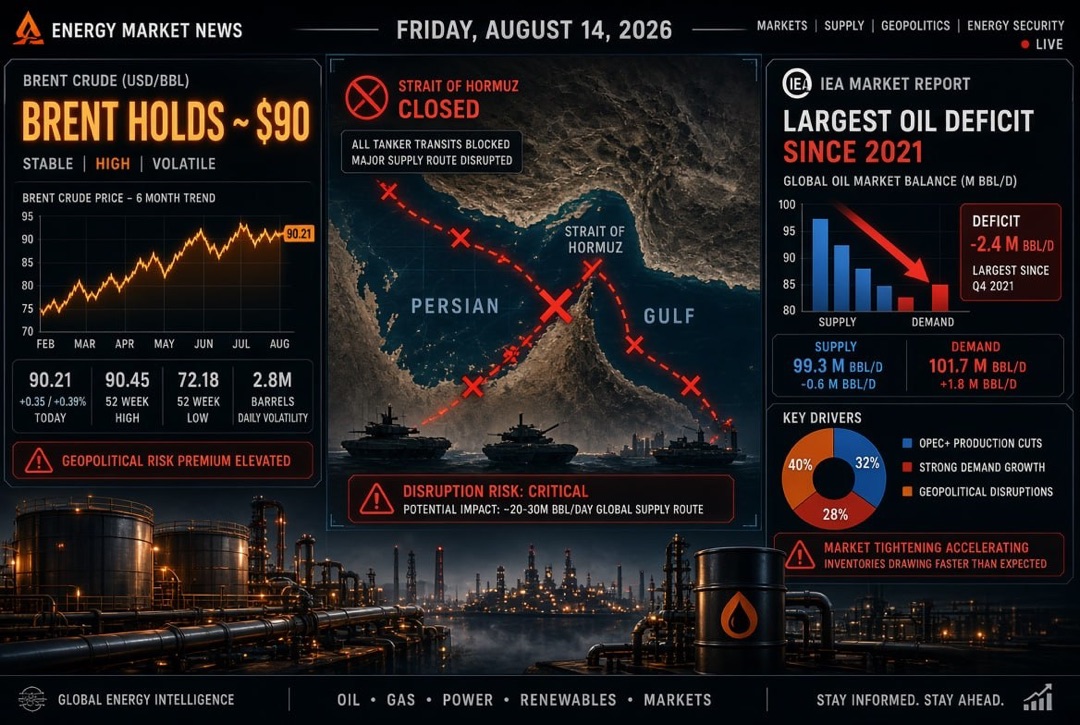
- geopolitical risks in the Middle East;
- capital inflows and outflows in Bitcoin and Ethereum ETFs.
Bitcoin: Market Searching for Cycle Bottom and Institutional Demand Indicators
Bitcoin remains the central asset in the cryptocurrency market. At the time of this report, BTC was holding around $62,000, but selling pressure persisted. Following a drop to levels around $57,000 last week, market participants are debating whether a local cycle bottom has formed or if the decline will continue.
Two conflicting signals are crucial for investors. On one hand, Bitcoin remains vulnerable to sell-offs amid rising geopolitical risks and decreased risk demand. On the other hand, spot Bitcoin ETFs continue to show signs of returning institutional capital. Recent positive flows indicate that some long-term investors are viewing current levels as an accumulation zone.
The baseline scenario for Bitcoin on July 9 anticipates trading within a broad range without a definitive trend until new macroeconomic signals emerge. For bullish momentum, the market needs stable ETF inflows, a reduction in geopolitical premium, and improved sentiment in equity markets. Conversely, heightened risk-off sentiment and breaches of nearby technical support levels could deepen declines.
Ethereum: Price Weakness Amid Sustained Fundamental Role of the Network
Ethereum continues to trade below historical investor expectations, despite maintaining a crucial role in smart contract infrastructure, DeFi, asset tokenization, and stablecoins. ETH remains the second-largest crypto asset by market capitalization, but its performance in 2026 has been more restrained compared to market expectations surrounding institutional adoption.
The key question for investors is whether Ethereum can regain its premium for infrastructure quality. Several factors are under evaluation by the market:
- transactional activity volume within the Ethereum network and Layer 2 solutions;
- demand for Ethereum ETFs;
- competition from Solana and other high-performance blockchains;
- staking rewards and their attractiveness relative to traditional instruments;
- Ethereum's role in real asset tokenization and settlements with stablecoins.
In the short term, Ethereum remains dependent on the overall state of the cryptocurrency market. If Bitcoin stabilizes, ETH may receive support through a revival of demand for altcoins. However, if the market continues to decline, Ethereum typically exhibits elevated beta sensitivity to BTC.
Top 10 Most Popular Cryptocurrencies: What Investors Are Focusing On
In the global digital asset market, the top 10 cryptocurrencies by capitalization and popularity remain a primary reference point for institutional and retail investors. Bitcoin and Ethereum are in the spotlight, but a significant portion of liquidity is also distributed across stablecoins, exchange tokens, and major blockchain platforms.
- Bitcoin (BTC) - the primary indicator of the crypto market and the largest digital asset.
- Ethereum (ETH) - the main infrastructure for smart contracts, DeFi, and tokenization.
- Tether (USDT) - the largest dollar-pegged stablecoin and a key settlement tool.
- BNB (BNB) - the token of the Binance ecosystem and one of the largest exchange assets.
- USDC (USDC) - a regulated dollar-pegged stablecoin, particularly important for the institutional market.
- XRP (XRP) - an asset associated with cross-border settlements and payment infrastructure.
- Solana (SOL) - a high-performance blockchain sensitive to application and DeFi activity.
- TRON (TRX) - a network with a significant role in stablecoin circulation and payments.
- Hyperliquid (HYPE) - a notable asset from the new wave of cryptocurrency infrastructure.
- Dogecoin (DOGE) - the largest meme coin, maintaining high visibility and speculative demand.
For investors, it is essential to consider not only the ranking of cryptocurrencies but also the quality of liquidity, distribution of holders, the resilience of the ecosystem, regulatory status, and the project's ability to generate real usage.
ETF Flows: Institutional Capital Remains the Primary Stabilizer
Spot Bitcoin ETFs and Ethereum ETFs continue to serve as key bridges between traditional finance and digital assets. Despite declines in cryptocurrency prices, recent inflows into Bitcoin ETFs indicate that institutional investors are not entirely exiting the sector. On the contrary, some capital is viewing corrections as an opportunity to increase exposure.
For the cryptocurrency market, ETFs fulfill three primary functions:
- they create a regulated channel for accessing Bitcoin and Ethereum;
- they lower operational barriers for fund managers and family offices;
- they make cryptocurrencies more sensitive to global portfolio flows.
However, the growth of the ETF infrastructure has its downsides. Bitcoin is increasingly correlating with traditional risk assets, as it enters the portfolios of the same investors who trade tech stocks, index funds, and derivatives. This diminishes the argument that the cryptocurrency market is entirely independent of the traditional financial system.
Stablecoins: Regulation Becomes a Central Topic in 2026
Stablecoins remain a foundational element of cryptocurrency infrastructure. USDT and USDC rank among the largest digital assets globally, and their turnover is utilized for trading, DeFi, cross-border settlements, and maintaining dollar liquidity within blockchain ecosystems.
In 2026, regulators' focus on stablecoins has intensified. In the U.S., a federal regulatory framework for payment stablecoins is in place, Europe has fully implemented the MiCA regime, and in Asia, regulators are increasingly assessing the impact of digital assets on the banking system, currency controls, and tax transparency. This shift indicates a transition of the sector from a phase of "rapid growth without rules" to one of institutional selection.
The most resilient projects in this new environment will be those capable of confirming the quality of reserves, transparency in reporting, compliance with KYC/AML requirements, and reliability in token redemption. Algorithmic and poorly collateralized models, conversely, will be viewed with increased caution by the market.
Regulation: The U.S., Europe, and India Creating Divergent Cryptocurrency Market Models
The global cryptocurrency market is becoming increasingly fragmented by regulatory zones. The U.S. is moving towards the institutionalization of crypto assets through ETFs, stablecoins, and clearer delineation of regulatory authority. Europe is focusing on a unified MiCA regime, licensing crypto services, and consumer protection. India, on the other hand, maintains a stringent stance, with the central bank pushing for limitations or an outright ban on certain cryptocurrency activities, especially for financial organizations.
For global investors, this creates a new risk landscape. The same asset may have a different investment status in the U.S., EU, India, Singapore, the UAE, or Hong Kong. Therefore, in 2026, assessing cryptocurrencies should involve not only technological analysis but also regulatory due diligence.
Key questions for investors include:
- Can the asset be traded on regulated platforms?
- Is it accessible via ETFs or institutional products?
- Is the project at risk of delisting?
- Is there transparency in reserves, tokenomics, and governance?
- How liquid is the asset during market stress?
Altcoins and DeFi: Selection Becomes More Discerning
The altcoin market as of July 9 remains heterogeneous. Solana, XRP, BNB, TRON, Dogecoin, and new infrastructure tokens react differently to Bitcoin's decline, yet the overarching principle remains: the higher the speculative component, the more pronounced the drop during risk-off periods.
Investors are increasingly reluctant to buy the entire altcoin market as a unified sector. The priority is shifting toward projects with clear liquidity, functioning ecosystems, real fees, sustainable demand for the network, and institutional compatibility. This is particularly critical for DeFi projects, L1 blockchains, L2 infrastructure, and tokens associated with derivatives, real-world assets (RWAs), and stablecoins.
Focused segments include:
- tokenization of real assets;
- stablecoin infrastructure;
- decentralized derivatives;
- cross-chain liquidity;
- solutions for institutional custody of digital assets.
What Investors Should Note on July 9, 2026
As we enter Thursday, July 9, the cryptocurrency market presents no clear signals for a sustained reversal. Bitcoin retains its status as the primary market indicator, Ethereum stands as a key infrastructural bet, and stablecoins become a focal point of regulatory competition between the U.S., Europe, and Asia.
Investors should pay attention to several factors:
- Bitcoin Levels. Establishing above the current zone may relieve pressure on altcoins, while breaking support could intensify sell-offs.
- ETF Flows. Steady inflows into Bitcoin ETFs and Ethereum ETFs will be a key signal of institutional demand.
- Geopolitics. Any escalation in Middle Eastern conflict could deteriorate the appetite for risk.
- Regulation. MiCA in Europe, stablecoin regulations in the U.S., and India's stance will impact global liquidity.
- Quality of Altcoins. In volatile conditions, the market will prioritize projects with real usage over those with strong marketing alone.
The main takeaway for investors: the cryptocurrency market remains promising, but in 2026 it requires a more professional approach. A simple bet on the growth of the entire sector is no longer as effective as in earlier cycles. Liquidity, regulation, institutional demand, infrastructure resilience, and a project's capacity to be part of the global financial system take center stage.