Investments for Beginners: Where to Invest Your First 50,000 Rubles
Introduction
Investing your first sum is not just about choosing a financial instrument, but also about making a decision regarding your future. Even a modest 50,000 rubles can serve as a foundation for your portfolio if allocated wisely, managed emotionally, and followed with basic principles. In this article, we will thoroughly discuss key aspects: basic instruments, risk and return assessment, diversification strategies, taxes and fees, step-by-step instructions, common mistakes, investor psychology, and time horizon.
A universal approach allows for the adaptation of recommendations for any beginner, regardless of location and income level. We will examine real-life examples, structured portfolios, and behavioral tactics during crises.
Basic Instruments
Bank Deposits
A bank deposit is the most straightforward and accessible way to invest. You can open a deposit online or at a branch with a fixed interest rate and receive guaranteed income after the specified term.
- Interest Rate: Compare offers from several banks, including online banks and smaller regional institutions.
- Term: Short deposits up to 3 months are suitable for a "liquidity cushion," while longer ones are for long-term investment.
- Early Withdrawal Conditions: There may be a reduction or total loss of accrued interest.
- Bank Reliability: Pay attention to agency ratings and the amount of insurance coverage (up to 1.4 million rubles).
For beginners, it is useful to have several deposits of different terms to ensure access to part of the funds without losing income.
Government and Corporate Bonds
Bonds are issued by governments, municipalities, and companies. By purchasing a bond, you are effectively lending to the issuer: they pay you a coupon and return the face value at the end of the term.
- Issuer Reliability: Russian government bonds are considered almost risk-free, while corporate bonds offer higher returns with greater risk.
- Coupon: Fixed (e.g., 7–12% annually) or floating (linked to inflation or central bank rates).
- Maturity: 1–5 years for corporate bonds, up to 10 years or more for government securities.
- Liquidity: Some issues may trade infrequently on the secondary market — seek the most liquid series.
Beginners should start with OFZs and corporate bonds of large companies with investment-grade ratings.
Stocks
A stock is an equity security that grants the right to a portion of a company’s profits in the form of dividends and capital appreciation in the market.
- Company Selection: Focus on industries with projected growth (technology, healthcare, consumer sector).
- Dividends: Pay attention to dividend yield — the ratio of dividends to the stock price.
- Volatility: Short-term fluctuations can reach 20–30%, but in the long run, risk is smoothed out.
- Sector and Regional Balance: Avoid concentrating only on one sector or country.
When investing 15–20,000 rubles in stocks, start with 2–3 shares to learn about trading mechanisms and market reactions.
Mutual Investment Funds (PIFs)
A PIF pools resources from several investors under the management of a professional manager. The manager forms a diversified portfolio to mitigate risks.
- Types of PIFs: Bond, mixed, index, money market funds.
- Management Fee: Typically 0.5–3% annually.
- Past Performance: Reflects management style but does not guarantee future results.
- Entry-Exit Conditions: Placement and redemption times can range from several days to a month.
For starting, choose index and mixed funds with minimal fees.
Exchange-Traded Funds (ETFs)
ETFs are "baskets" of assets (stocks, bonds, commodities) traded on exchanges like regular stocks.
- Low Fees: 0.1–0.5% annually — one of the main reasons for their popularity.
- Transparency: The portfolio composition is available at any time on the exchange or fund's website.
- Access to Global Markets: You can invest in American, European, and Asian indices.
- Spread and Brokerage Costs: Consider transaction fees and potential price slippage.
- Currency Risk: When investing in foreign ETFs, the exchange rate of the ruble to the dollar or euro affects overall returns.
ETFs are convenient as they combine the simplicity of stocks and diversification of mutual funds without requiring manual management.
Risk and Return Assessment
Calculating Expected Portfolio Returns
To forecast the overall outcome, the following formula is used:
\[ Rp = ∑i=1n wi × Ri
where wi — the weight of each asset, Ri — its expected return.
This method allows you to understand the contribution of each instrument and adjust the portfolio to target returns.
Main Risk Factors
- Market Risk: Decline in prices due to economic recession.
- Credit Risk: Default by the bond issuer.
- Liquidity Risk: Inability to sell an asset without a significant discount.
- Currency Risk: Fluctuations in exchange rates when investing outside the ruble market.
- Inflation Risk: Devaluation of the real value of invested funds.
Understanding these risks helps balance returns and safety.
How to Minimize Risks
- Diversification: Spread investments across asset classes and sectors.
- Averaging: Invest regularly with equal amounts, reducing the impact of short-term fluctuations.
- Rebalancing: Review portfolio structure quarterly and return shares to target levels.
- Long-Term Horizon: The longer you invest, the less impact temporary declines will have.
- Portfolio Stress Tests: Simulate a market drop of 20–30% and analyze how it would affect the balance.
Practice has shown that regular rebalancing and averaging significantly mitigate losses during crises.
Diversification Strategies
Allocation Principles for 50,000 Rubles
With an initial capital of 50,000 rubles, we recommend the following structure:
- Bonds (40%): A mix of OFZs and corporate bonds.
- Stocks (30%): 2–3 companies from different sectors, focused on dividends and growth.
- ETFs (20%): Global index funds and sector ETFs.
- Deposits (10%): A cushion for unforeseen expenses and urgent goals.
This portfolio combines reliability and growth potential while maintaining liquidity.
Portfolio Examples
| Portfolio | Aggressive | Balanced | Conservative |
|---|---|---|---|
| Bonds | 20% | 40% | 60% |
| Stocks | 50% | 30% | 10% |
| ETFs | 20% | 20% | 20% |
| Deposits | 10% | 10% | 10% |
The choice depends on your risk tolerance: the aggressive portfolio grows faster but drops significantly during crises; the conservative does the opposite.
Taxes and Fees
Fees
- Brokerage Fees: From 0.01% to 0.2% of turnover.
- PIFs: 0.5–3% annually.
- Accrued Coupon (NDK): When buying secondary bonds, part of the coupon goes to the previous holder.
Take all costs into account when calculating the real return on your portfolio.
Tax Optimization
- Individual Investment Account (IIA): Allows for a refund of up to 52,000 rubles per year (13% of contributions).
- Personal Income Tax (PIT) 13%: On profits from stocks, bonds, and ETFs in the absence of an IIA.
- Declaration 3-NDFL: Submitted by April 30 of the year following the reporting year.
Even with a modest portfolio, it is beneficial to set up an IIA to receive a tax deduction.
Cost Reduction Tips
- Choose a broker with fixed or minimal commissions for trades.
- Compare deposit rates from various banks and management companies.
- Invest in ETFs with the lowest Total Expense Ratio (TER).
Optimizing expenses increases net returns and accelerates the achievement of financial goals.
Step-by-Step Instructions for Beginners
Opening a Brokerage Account
- Compare broker offers based on rates, interfaces, and reputation.
- Complete online verification: passport, SNILS, TIN.
- Fund your account using a convenient method: transfer or card.
After registration, you will gain access to the terminal and market statistics.
Your First Trade
- Find the needed ticker (e.g., SBER for Sberbank).
- Specify the amount or number of lots.
- Check limits and commissions.
- Confirm the purchase and wait for the order to execute.
Keep an eye on trading hours and the right moment to enter a position.
Monitoring and Rebalancing
- Set price alerts and news updates for key assets.
- Review asset allocations every three months and adjust them.
- Keep track of macroeconomic events and analysts' comments.
Regular monitoring helps you react promptly to market changes.
Common Mistakes
- Concentration: Investing all funds in a single asset.
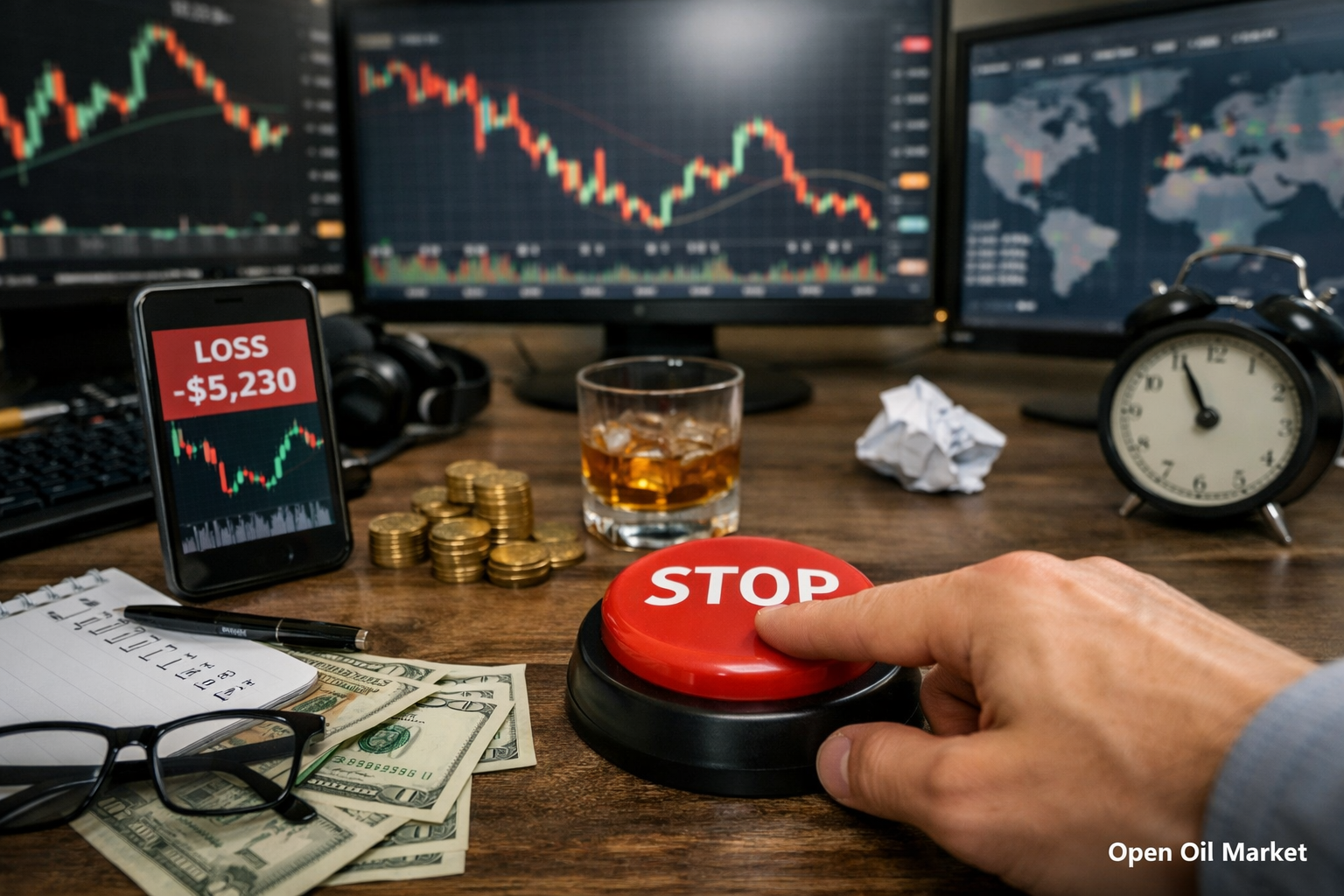
- Panic Selling: Exiting during brief downturns.
- Ignoring Fees: Reducing real returns.
- Expecting Quick Profits: Overlooking market cycles.
- Neglecting Taxes: Missing out on declarations and deductions.
Avoid these mistakes to protect your initial capital and maintain motivation for continued investing.
Investor Psychology and Time Horizon
Long-Term vs. Short-Term Investments
- Short-Term (up to 1 year): Deposits and bonds with short maturities.
- Medium-Term (1–3 years): A mix of bonds and ETFs for moderate growth.
- Long-Term (5+ years): Predominantly stocks and global ETFs for maximum capital growth.
When choosing a horizon, consider your financial goals: buying a home, children's education, or preparing for retirement.
Emotion Management
- Response Plan: For example, to buy more assets if the price drops by 10%.
- Auto-Investing: Regular purchases through a bot to average out costs.
- Investor Journal: Documenting decisions and their outcomes for analysis.
Controlling emotions reduces the risk of impulsive actions and helps you adhere to your strategy even during volatile periods.
Conclusion
Investing your first 50,000 rubles offers an opportunity to cultivate discipline and a habit of managing capital wisely. A clear understanding of instruments, return calculations, diversification, and emotional control will help lay a solid foundation for future growth. Aim to learn, analyze results, and adjust your strategy as you gain experience.